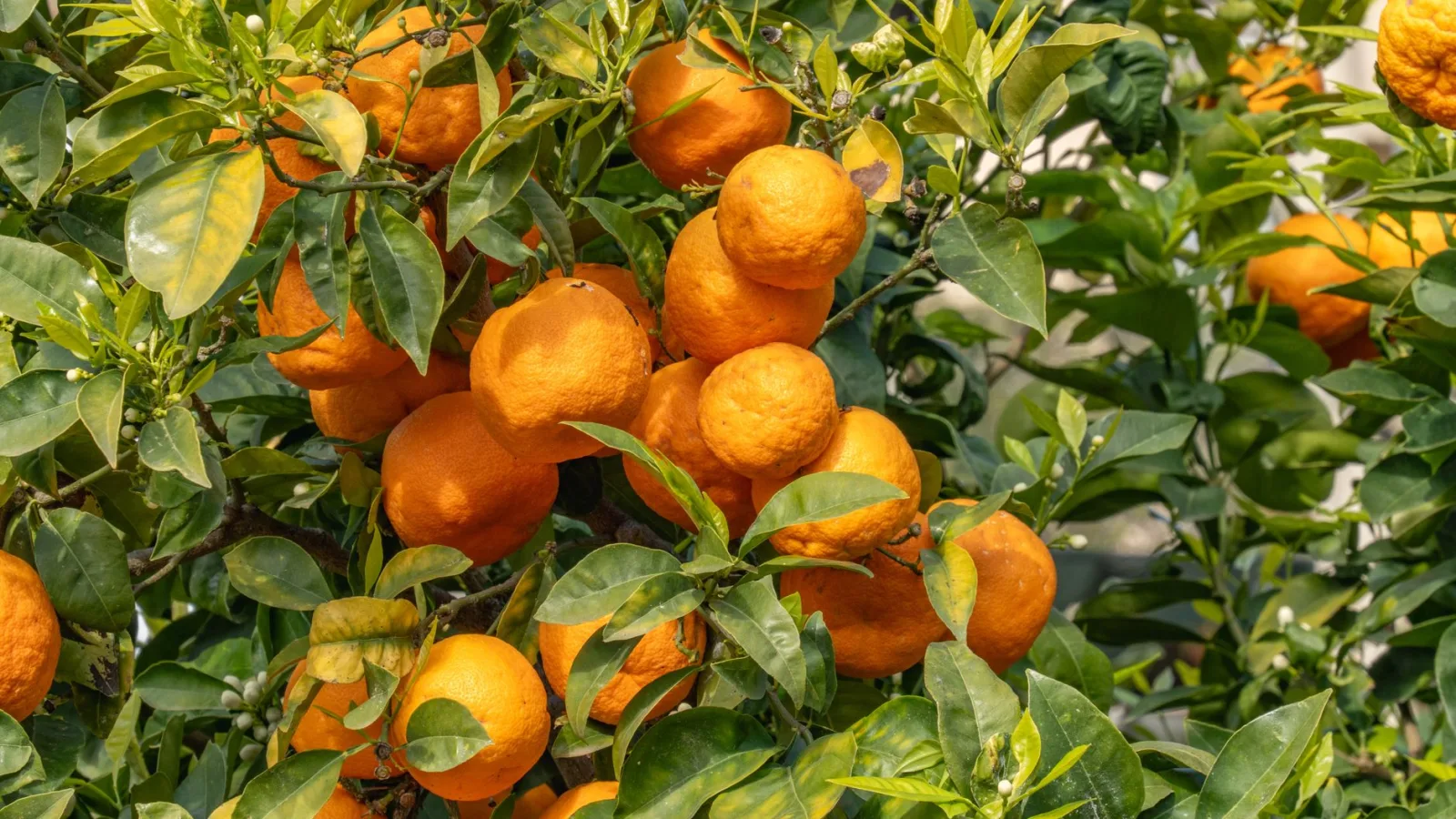
In the Northern Hemisphere, October is when bitter oranges fill out. The fruit on a windowsill tree is still tinged with green, and rubbing the peel between your fingers releases a sharp, bittersweet citrus scent. With a month or two left before harvest, this is a good time to compare what an old medical text said about the peel with what modern analysis tells us.
Deungjapi in the Fruit Section of the Donguibogam
Deungjapi (橙子皮) is the peel of the deungja fruit. The deungja tree, also called gwanggyul in Korean, is a citrus. Its scientific name is Citrus aurantium, and in English it's known as bitter orange. The Seville orange, the classic marmalade fruit, belongs to the same species. The Donguibogam is a medical compendium compiled in the early 17th century by Heo Jun, a royal physician of Korea's Joseon dynasty, and it lists deungjapi in its fruit section (gwabu, 果部).
The Homiclub Crop Guide has confirmed only this much from the original text: the name, where it appears in the book, and that the peel was valued for its aroma and bitterness. We don't reproduce passages that prescribe it for particular symptoms. Old medical texts reflect the thinking of their time, and that thinking differs from medical judgment today. You can read the original entry and our commentary in our Donguibogam guide to bitter orange peel.
What's in the Peel, and How Much We Can Say
Bitter orange peel gets its aroma from the essential oil in the rind. Most of that oil is d-limonene, the compound behind the familiar citrus scent. The peel's distinctive bitterness comes from neohesperidin and naringin. Many research teams have reported this same makeup. The peel also contains pectin, which is why it sets like marmalade when you simmer it with sugar.
How the peel affects the human body is still hard to say. Studies in people are scarce, so for now, the evidence supports claims about composition and flavor, and nothing more. Synephrine deserves a separate note. Most research on synephrine looks at concentrated supplements, and that research treats it as an ingredient that calls for caution. A supplement is a very different thing from a sliver of peel used as seasoning, both in how much you take in and in what form. If you're thinking about taking a supplement that contains synephrine, talk with a doctor or pharmacist first.
Where the Old Record and the Lab Agree, and Where They Part Ways
The two sources agree on aroma and bitterness. The Donguibogam treated deungjapi as a peel that brings fragrance and bitterness, and modern analysis says the same thing: limonene supplies the scent, while neohesperidin and naringin supply the bitterness. Anyone who has prepped this peel by hand usually notices those two qualities first.
They part ways on the body. The old text went further and recorded which bodily conditions an ingredient was used for, but modern research has confirmed little in people and can't support those claims. That's why the uses below were chosen only to bring out aroma and flavor.
Growing, Harvesting, and Bringing It to the Table
In the Northern Hemisphere, bitter orange is planted in March or April and harvested in November or December. Because it's a citrus, gardeners in cold-winter regions often grow it in a pot and bring it indoors before the first frost. You'll be eating the peel, so fruit grown without pesticide sprays is easier to work with. Pare the harvested fruit thinly and dry the peel in a shady, well-ventilated spot, and you'll have a supply to draw on all winter.
- In black tea: Crumble the dried peel and add a pinch to black tea for an extra layer of citrus aroma. It's in the same scent family as Earl Grey, which gets its flavor from bergamot. Steeping too long brings out harsh bitterness, so keep it to 3 minutes or less.
- Marmalade: Cut the peel into thin strips and soak them in water overnight to draw out the bitterness, then simmer with sugar. A little lemon juice gives the marmalade a clearer color and helps it keep longer. For a firmer set, tie the seeds in cheesecloth and simmer them with the rest.
- Braised meat: When braising pork or duck, add a piece of peel to soften the heavy, fatty smell. The bitterness is strong, so start with a single piece about the size of a fingernail, and take it out when the braise is done.
For the growing calendar and more on the peel's compounds, see the Homiclub Crop Guide: Bitter Orange Peel.
Sources: Donguibogam, fruit section (gwabu, 果部), entry for 橙子皮 (deungjapi); Homiclub Crop Guide compound data.
Today, check the color of the bitter oranges on your windowsill, and pick a shady spot now for drying the peel after harvest.