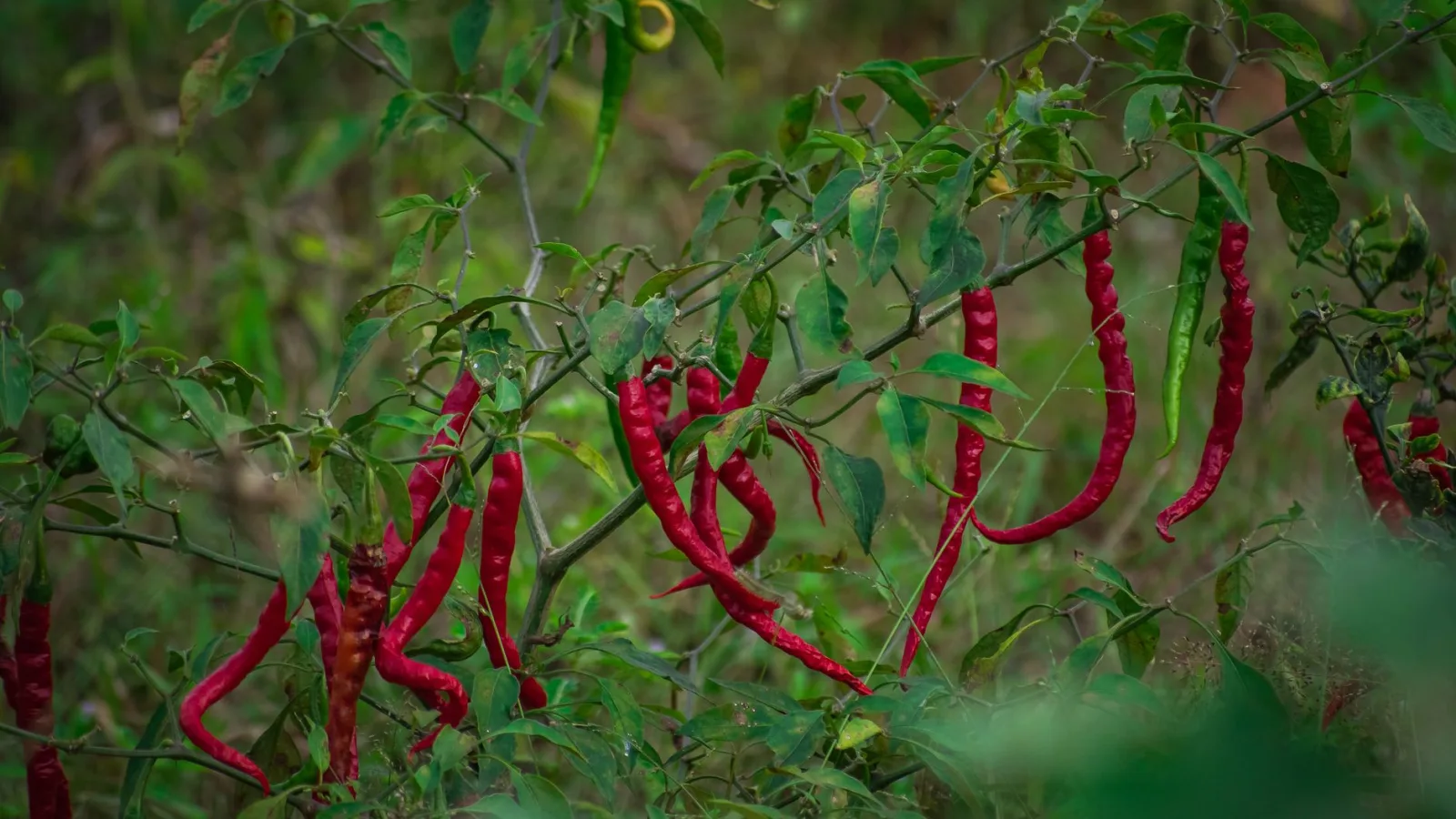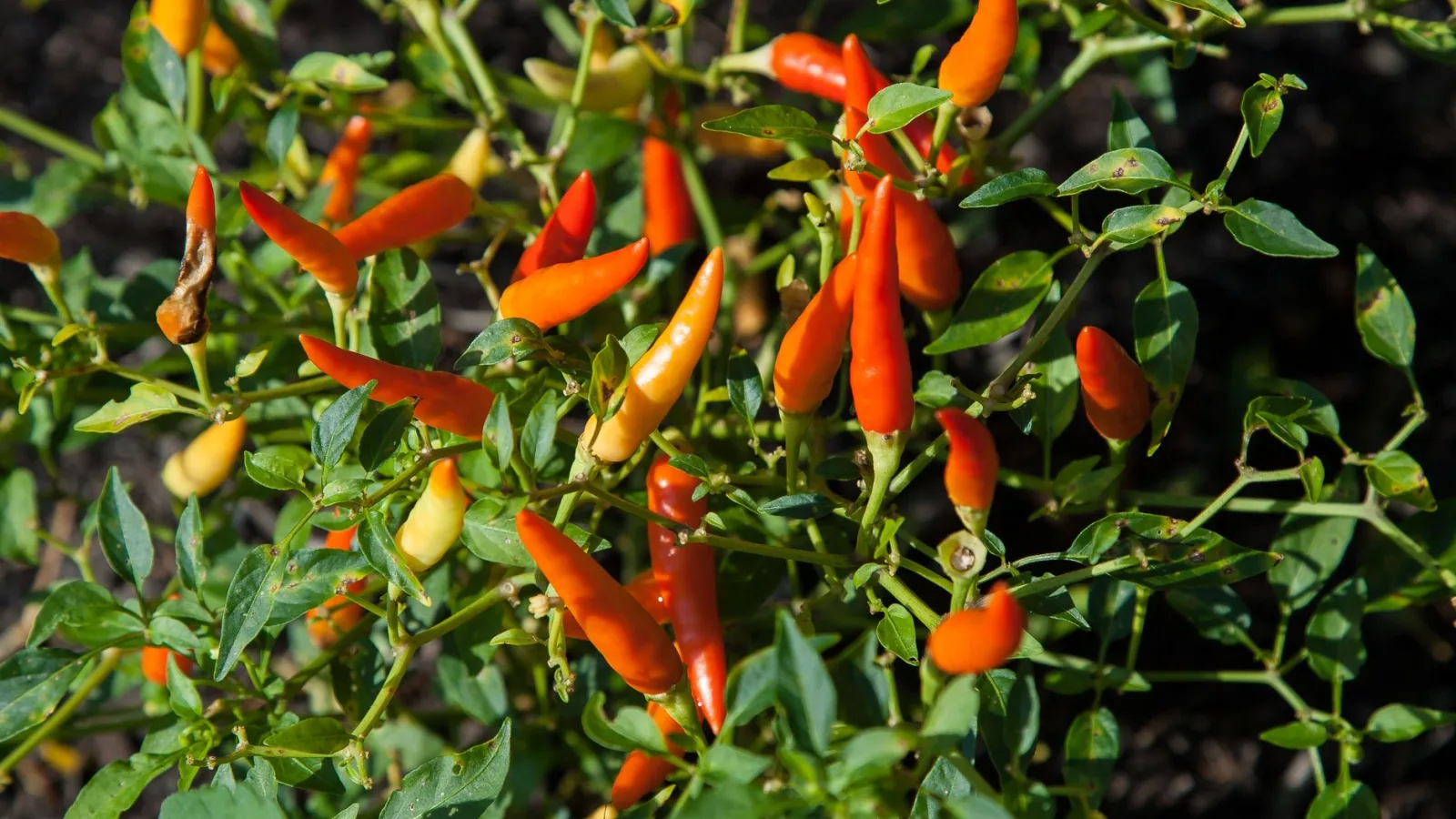
On a summer morning, step into your pepper rows and turn over a leaf, and you'll find pale green aphids packed tightly along the veins. Three or four days earlier, you could barely spot a few. The new shoots curl up, and the leaves below turn sticky with honeydew, the sugary liquid aphids excrete. Black sooty mold soon follows.
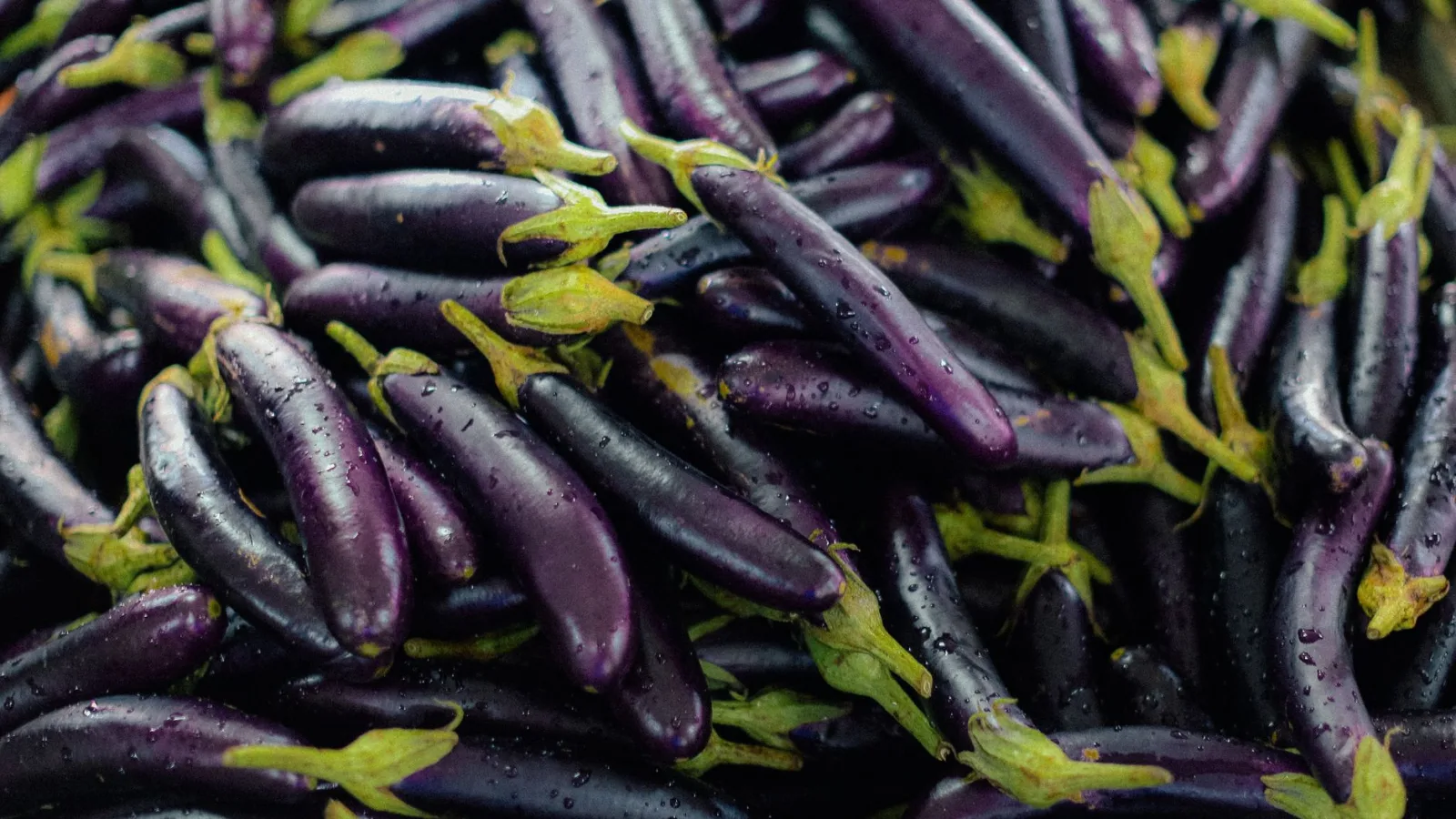
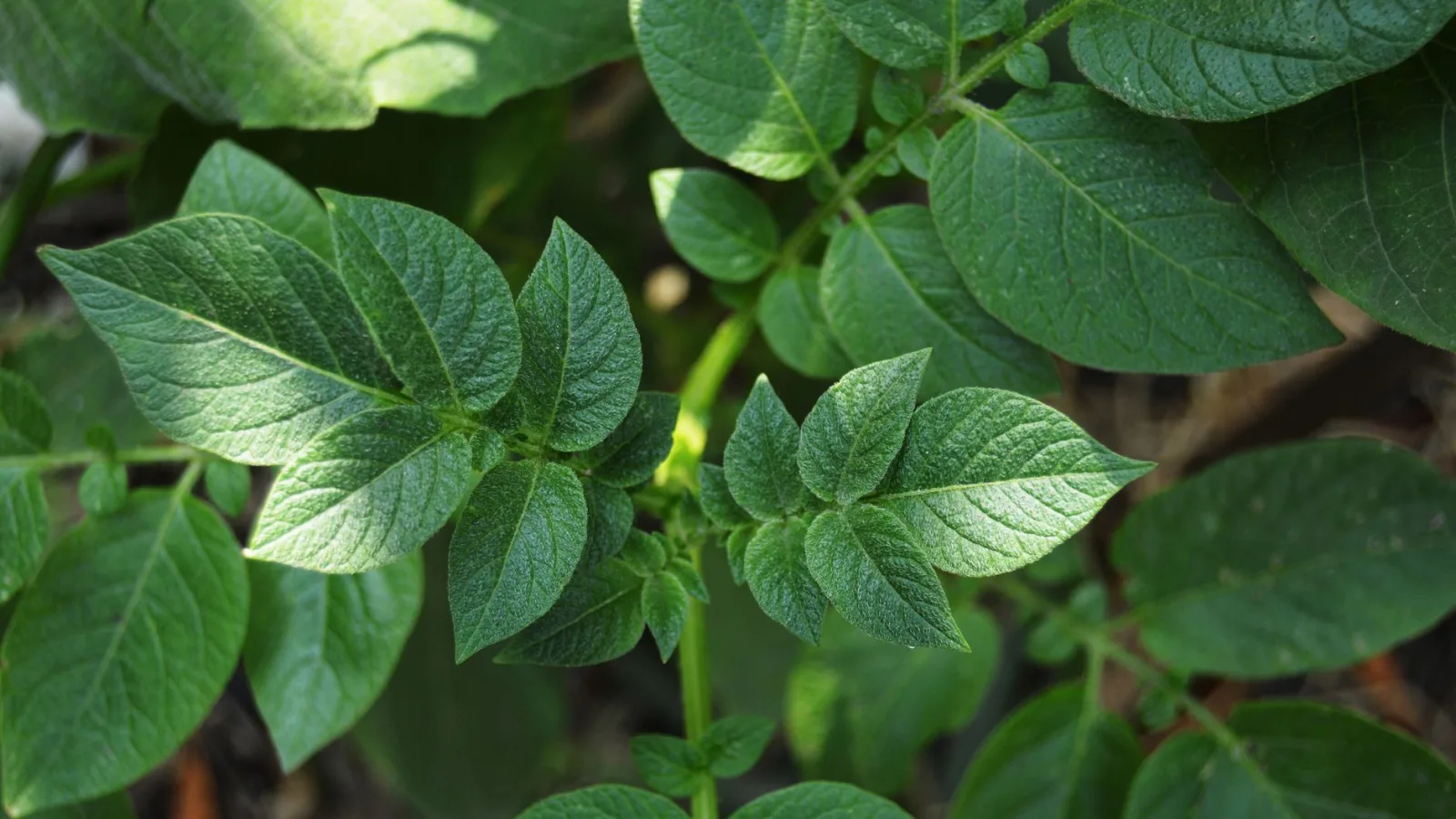
The aphid you'll run into most often in the garden is the green peach aphid (Myzus persicae). It feeds on hundreds of plant species, from peppers and eggplant to potatoes, napa cabbage, and lettuce. As it pushes its mouthparts into a leaf and sucks sap from the phloem, it spreads plant viruses such as cucumber mosaic virus. The viruses it carries do more harm than the feeding itself.
Why They Keep Coming Back After You Spray
From spring through fall, green peach aphid females give birth to live young without mating. Those young start producing offspring of their own in a little over a week, so a colony that begins on a single plant can spread down an entire row in ten days.
Insecticide resistance has been reported for years, too. Populations that tolerate several classes of insecticides have been found in Korea and abroad, so if you keep spraying the same product, the survivors simply fill the gap. Meanwhile, the ladybugs and lacewing larvae that feed on aphids are the first to disappear when broad-spectrum insecticides are used.
Switching Off Aphid Genes
That's where RNA interference comes in. When an insect eats double-stranded RNA (dsRNA) whose sequence matches a gene you want to shut down, the protein that gene produces drops off. Because it only works when the sequence matches, it can be designed to affect the target pest alone.
The catch is that aphids carry enzymes that chop this RNA into pieces. RNA fed to aphids broke down quickly in their body fluids, so results were inconsistent. A study published in 2026 tackled the problem by suppressing the gene that produces those enzymes at the same time, and by wrapping the RNA in layered double hydroxide (LDH) nanoparticles so it would last longer inside the aphid's body.
In the treatment that joined the enzyme gene and a gene for a protein that makes up the aphid's outer shell into a single RNA, 82% of the aphids died. The researchers also saw reduced activity in genes involved in building the shell and producing fat. This is still lab-stage work: there's no product you can buy for your garden, and safety reviews and registration are still ahead.
What You Can Do in Your Garden Today
Research like this takes time to reach store shelves, so start with the tools you already have.
- Every morning, check the tips of new shoots and turn over leaves to look underneath. Dealing with ten aphids is a very different job from dealing with a hundred.
- If you spot them, wash them off with a stream of water. Most wingless aphids can't make their way back onto the leaves.
- Cut back on nitrogen fertilizer. The more often a bed gets an extra feeding, the more aphids crowd onto its tender new growth.
- If you see ladybugs or hoverfly larvae in a row, skip the spray and leave that row alone.
- Set up yellow sticky traps at the ends of your rows. They're less for catching aphids than for telling you when the winged ones have arrived.
- Cut off shoots with badly curled tips, seal them in a plastic bag, and throw them out. If you pile them at the edge of the garden, the aphids will just move back onto your plants.
When you head out to water this evening, pick just three pepper plants and turn over their new leaves. If you deal with aphids while you can still rub them off with your fingers, midsummer will be a lot easier.
Source — Pest Management Science, 2026, a study on RNA interference efficiency in the green peach aphid