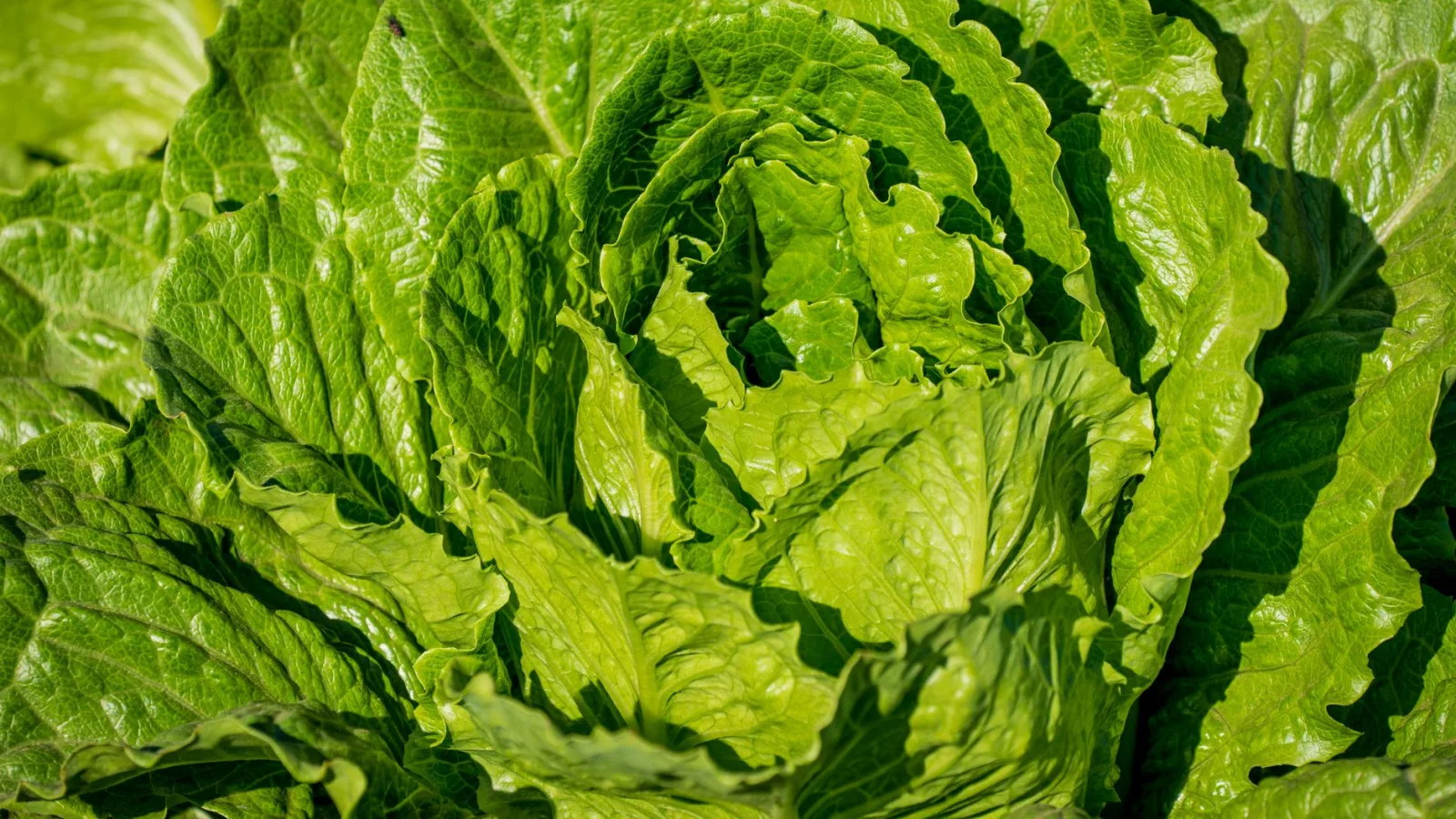
That patch where the cabbage did so well last year — it's tempting to set this season's seedlings right back into it. A familiar bed, a familiar crop, and you know what to expect. But if the heads have been filling in less tightly each year and diseased leaves keep showing up, something may have shifted in the soil itself.
What Changes in Soil That Grows Only Cabbage
Korea's Gangwon highlands are famous for napa cabbage, but there isn't much workable ground to go around. The slopes are steep, the ground is full of rock, and the topsoil is thin — so the same beds get planted with cabbage again and again. A research team followed fields like these through nine and ten consecutive cabbage crops, sampling the microbes in the rhizosphere, the thin layer of soil that clings to the roots.
The more times cabbage went into the same ground, the fewer kinds of microbes remained. The decline was fastest in the beds that grew nothing but cabbage. The microbial community drifted further in one direction every year, and that drift was much more pronounced in cabbage-only beds than in beds alternated with soybeans or potatoes.
Alternating With Soybeans and Potatoes Changes Things
The researchers compared three approaches: cabbage planted continuously, cabbage alternated with soybeans, and cabbage alternated with potatoes. The sequence of crops turned out to be the single biggest factor separating the microbial communities, accounting for about 14% of the total variation.
In the cabbage-only soil, a fungus called Alternaria increased — the group responsible for leaf blight on cabbage. Meanwhile, the bacteria that help keep soil healthy declined. In the soil rotated with soybeans or potatoes, that lopsidedness was milder, and the microbial community stayed more evenly balanced.
What to Try in a Small Garden This Season
Start by not repeating the same crop in the same spot. Wherever you harvest cabbage this year, try soybeans or potatoes there next year. Soybeans add nitrogen to the soil through the nodule bacteria on their roots, and bringing in a crop with a different root architecture shifts the makeup of the soil microbes as well.
- Rotate the crop order bed by bed — cabbage, then soybeans, then potatoes.
- If your garden is small, split a single bed into a few sections and shift each crop over by one section every year.
- Work in organic matter such as fallen leaves or finished compost to give microbes more room to live.
Growing good cabbage starts with tending the soil before anything goes in the ground. This year, begin by giving up just one cabbage-sized space to soybeans or potatoes.
Reference · A study of continuous cropping, crop rotation, and rhizosphere microbes in highland napa cabbage, published in the international journal Scientific Reports