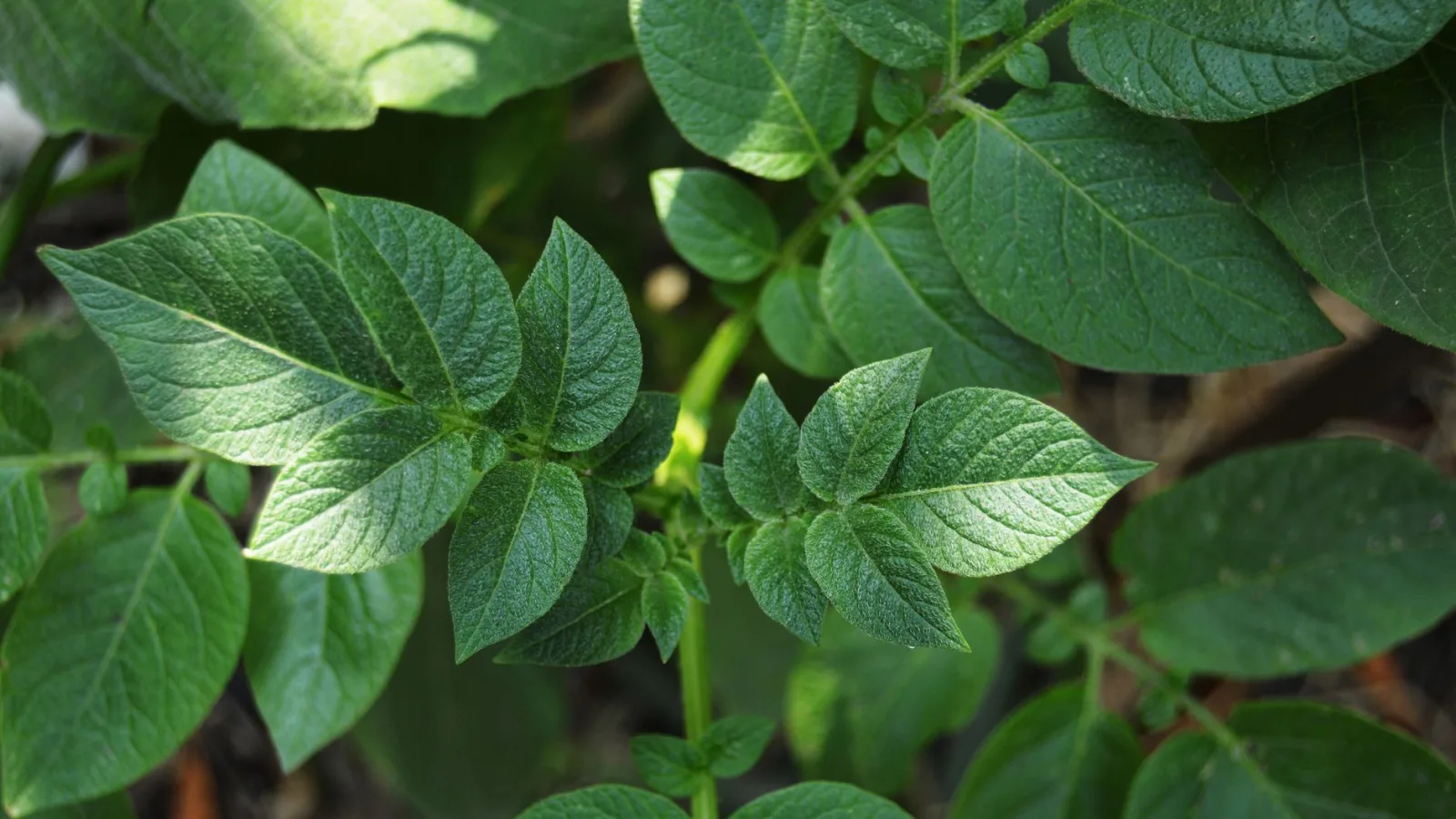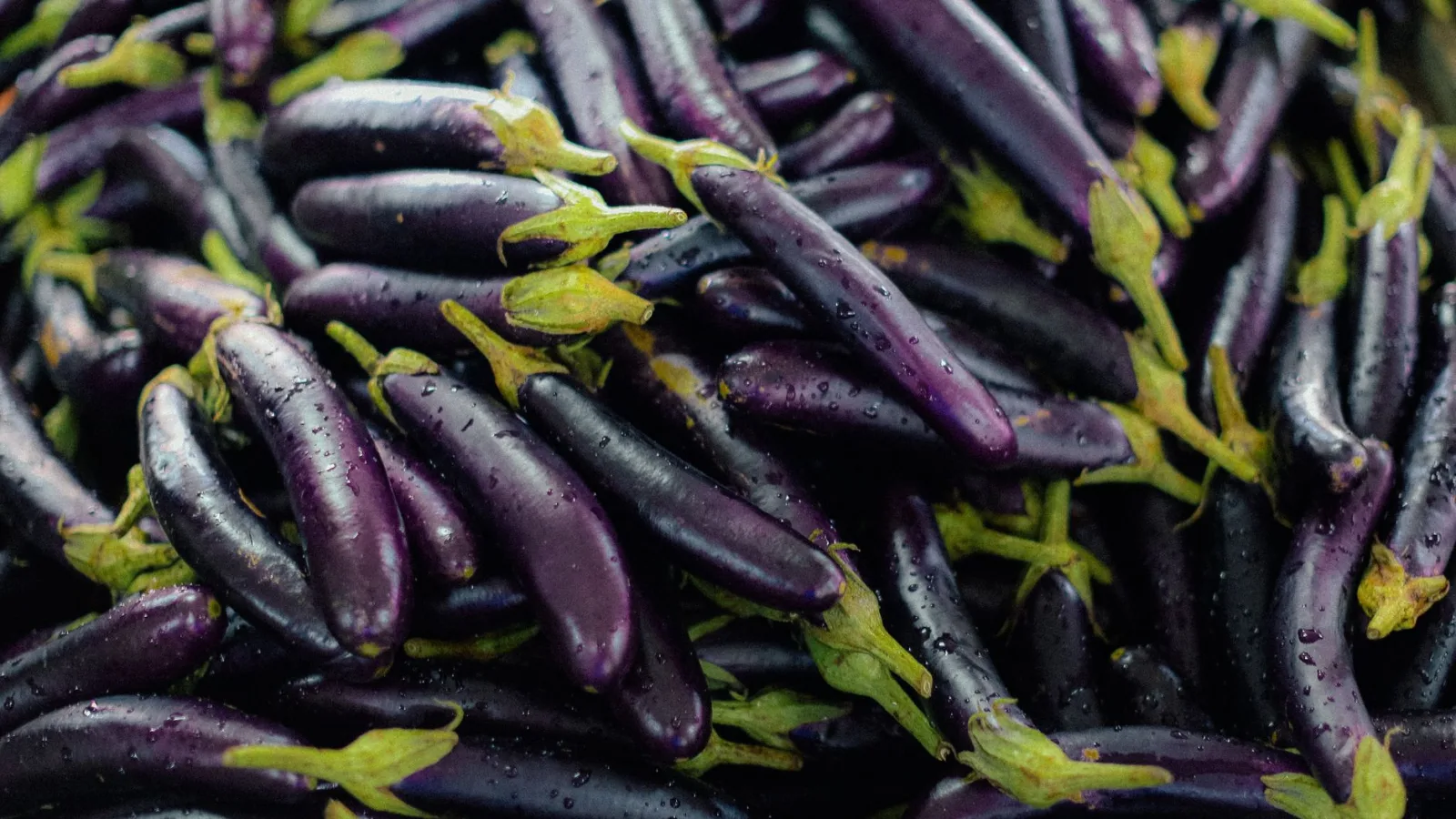
When eggplant blossoms open in an early-summer garden, a stout, fuzzy bee hangs upside down from a flower and shakes its whole body with a loud buzz. That's a bumblebee. On the pepper plant right next to it, the undersides of the leaves are speckled white with aphids, and out in the shed sits a half-used bottle of insecticide from last year. If you're on the fence about spraying, here's something worth knowing first.
Eggplants and Tomatoes Need Bumblebees to Set Fruit
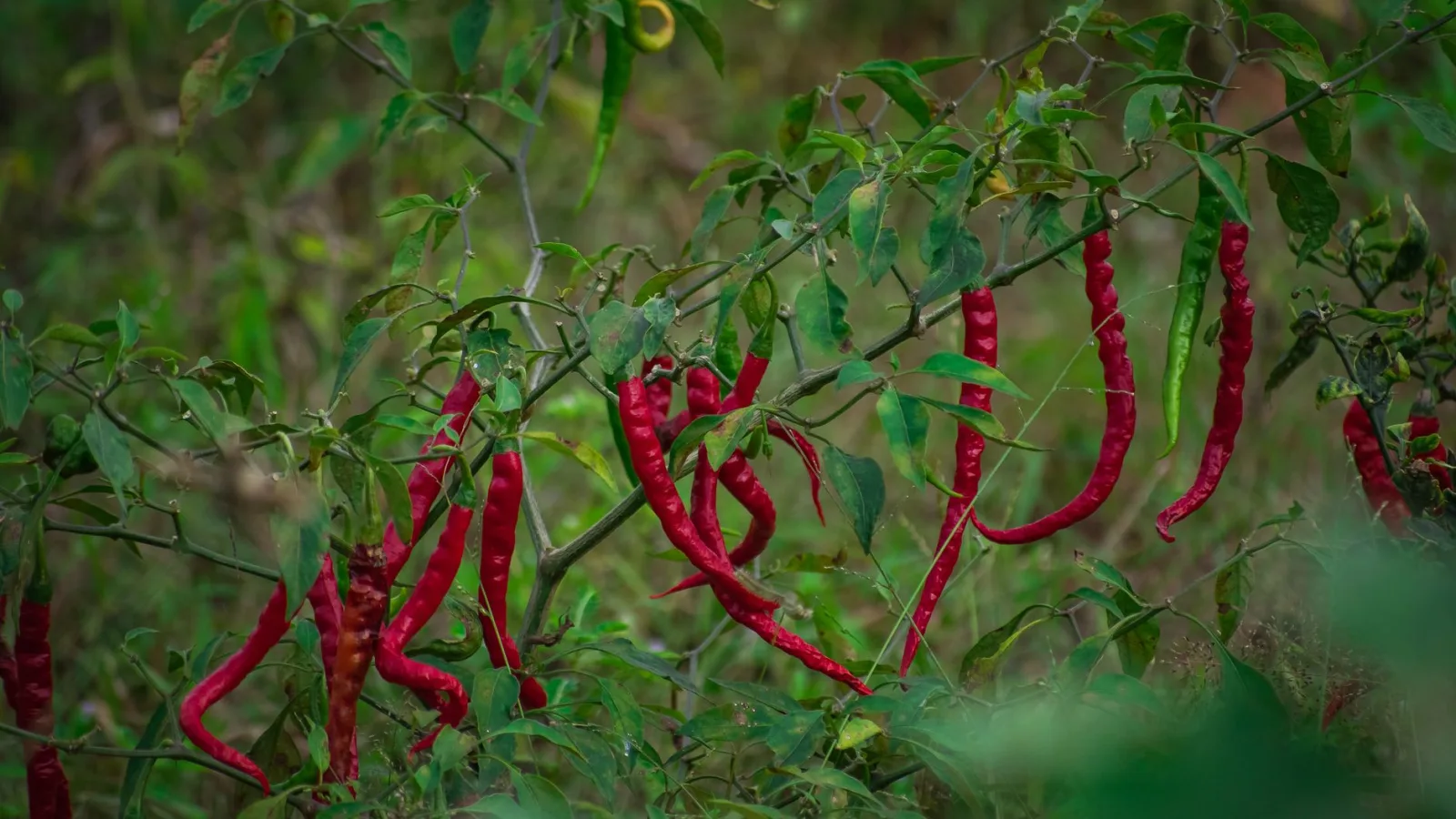
Tomato, eggplant, pepper, and blueberry flowers have narrow, tube-shaped anthers (the pollen-bearing parts), so even a good breeze doesn't shake much pollen loose. A bumblebee grabs hold of the flower and vibrates its flight muscles rapidly to shake the pollen out. Honeybees can't do this. If the tomatoes on your rooftop or balcony are covered in flowers but only a handful ever turn into fruit, the reason is often that no bee is showing up to do the job. About one-third of the world's food production depends on the work of pollinating insects like these.
How Sulfoxaflor Affects Reproduction
Sulfoxaflor is a relatively new insecticide developed to control aphids and thrips. As Europe restricted neonicotinoids, a class of pesticides long criticized as harmful to bees, sulfoxaflor has increasingly been used in their place. Both work by binding to receptors in an insect's nervous system.
Researchers fed bumblebees sulfoxaflor at concentrations too low to kill them. On the outside, the bees seemed perfectly normal and moved around as usual. But gene activity inside their bodies shifted, and the changes were especially pronounced in tissues tied to reproduction. In an earlier experiment, colonies exposed to similar levels raised far fewer of the young bees destined to become next year's queens. A bumblebee colony starts over each spring from a single new queen, born the previous fall, who makes it through the winter. That's why harm to reproduction doesn't show up that summer. It shows up in the following year's bee numbers.
That said, these results come from lab experiments with controlled exposure levels. It's too early to say for certain how much a single spraying on a small backyard plot actually affects bees. Still, study after study has found that reproduction is affected even at doses that don't kill the bees.
What You Can Do in Your Garden Today
- Don't spray crops that are in bloom. Try spraying before the flower stalks come up or after the blossoms have faded.
- If you really must spray, wait until evening, after the sun goes down. Bumblebees do most of their foraging during the day.
- For aphids, start by hosing them off with a stream of water or wiping them away by hand. In the early stages, two or three drops of dish soap in 1 liter of water, sprayed on the undersides of the leaves, is all it takes.
- Read the active ingredients on the back of the label. Ingredients flagged as toxic to bees, such as sulfoxaflor or flupyradifurone, are safest used outside the bloom period.
- Plant a row of perilla (Korean wild sesame), basil, borage, or self-heal in a corner of your garden. That way, bumblebees will still have something to eat after your crops have finished flowering.
When you head out to the garden today, flip over a few pepper leaves before you reach for the spray bottle. A few aphids can be handled with nothing more than a stream of water.