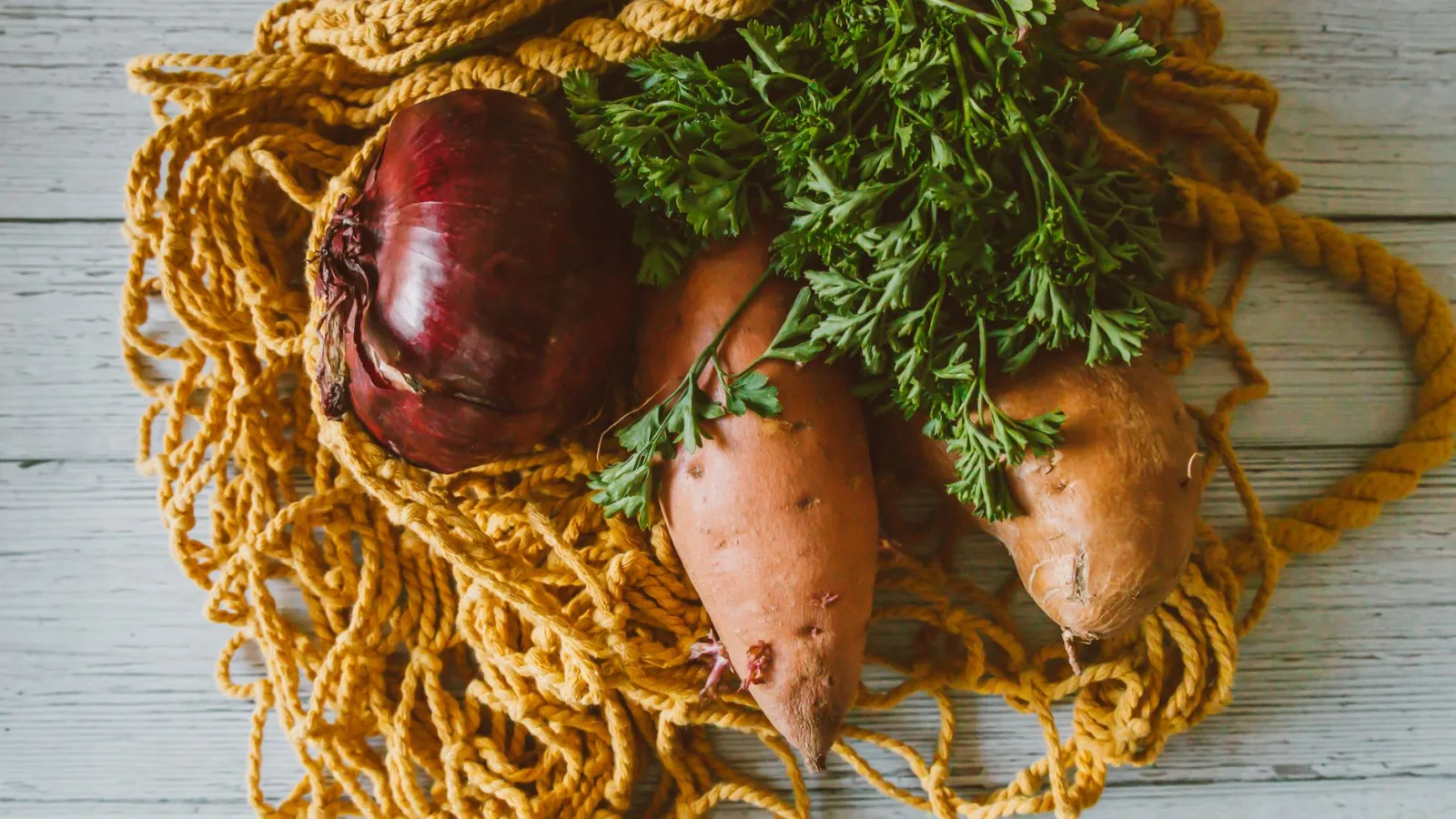
In the Northern Hemisphere, October is sweet potato season. Hand a child a trowel and they'll dig in the soil beneath the vines for ages, then shout with delight when their fingers close around a sweet potato and they pull it free. After a day like that, an hour spent out in the garden, the sigeumchi namul (blanched spinach tossed with seasoning) on the dinner table disappears faster than usual.
A recent study brings this scene to mind. Researchers looking at children in southern China found that tooth decay and undernutrition often turn up in the same child. That was less common among kids who ate vegetables every day and spent time moving around outdoors.
Checking the Teeth and Bodies of 170,000 Students
From September through November 2023, fall in the Northern Hemisphere, the researchers examined more than 170,000 students, from fourth grade through twelfth grade, in China's Guangxi Zhuang Autonomous Region. Each student had a physical exam, a dental checkup, and a lifestyle questionnaire, all in one visit. More than half had cavities, and about seven in every hundred had both cavities and undernutrition (being thinner or shorter than their peers).
Where one problem appeared, the other tended to show up too. Undernourished students had more cavities, and students with cavities were more often undernourished. The researchers suggested the two may feed into each other. When teeth hurt, kids avoid foods that are hard to chew and end up eating less, and when nutrition falls short, teeth and gums may be less able to recover. For now, that's best read as a possibility.
Everyday Meals and Time Outdoors
Students with both problems were more common in rural areas. When the researchers sorted students by lifestyle habits, the combination was less common among:
- Students who ate vegetables every day
- Students who drank milk or soy milk every day
- Students who met the daily guideline for outdoor activity
- Students who got more than 60 minutes a day of exercise hard enough to leave them out of breath
The researchers concluded that these habits may help prevent both problems at once.
Bringing It to the Garden and the Table
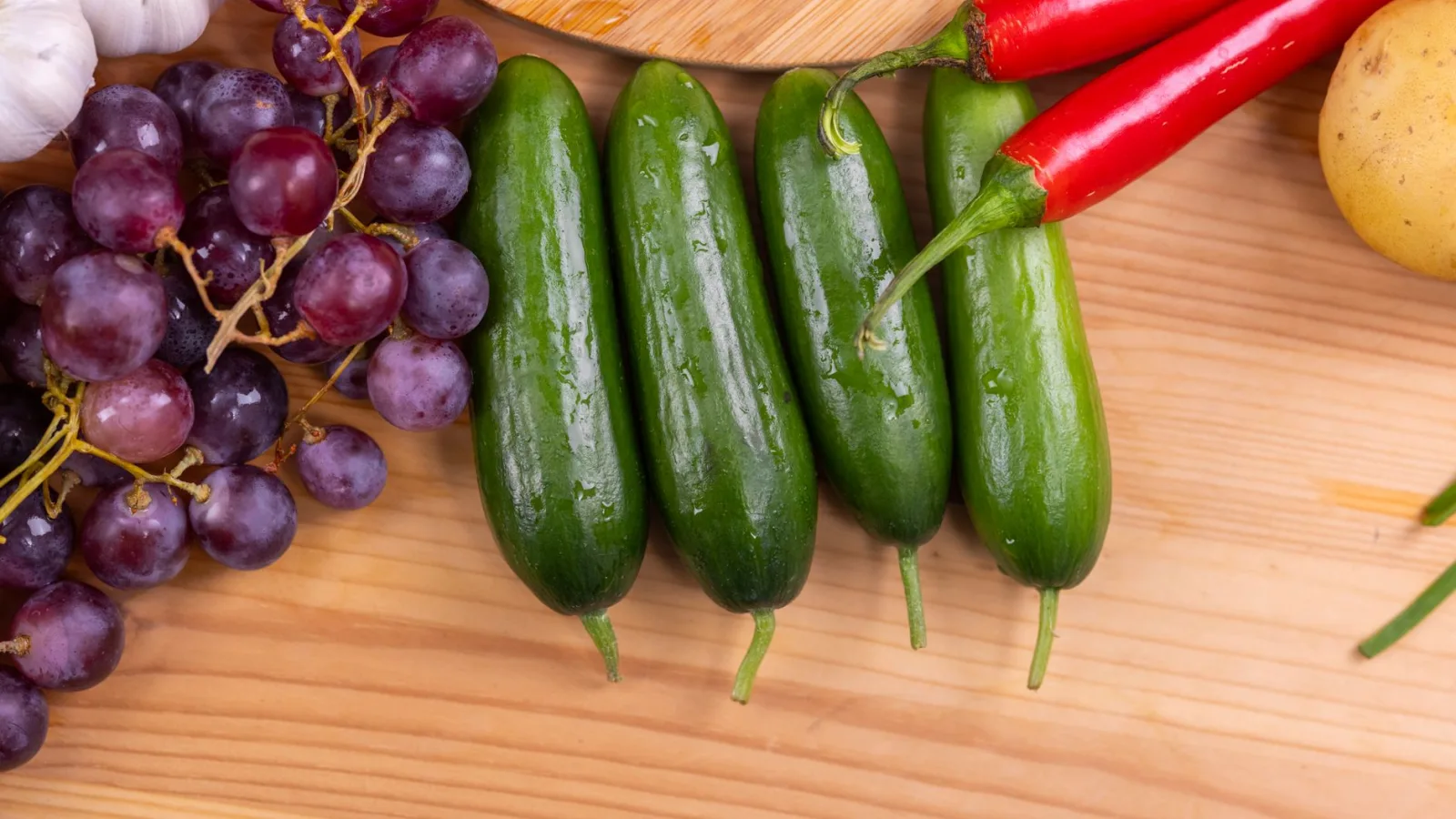
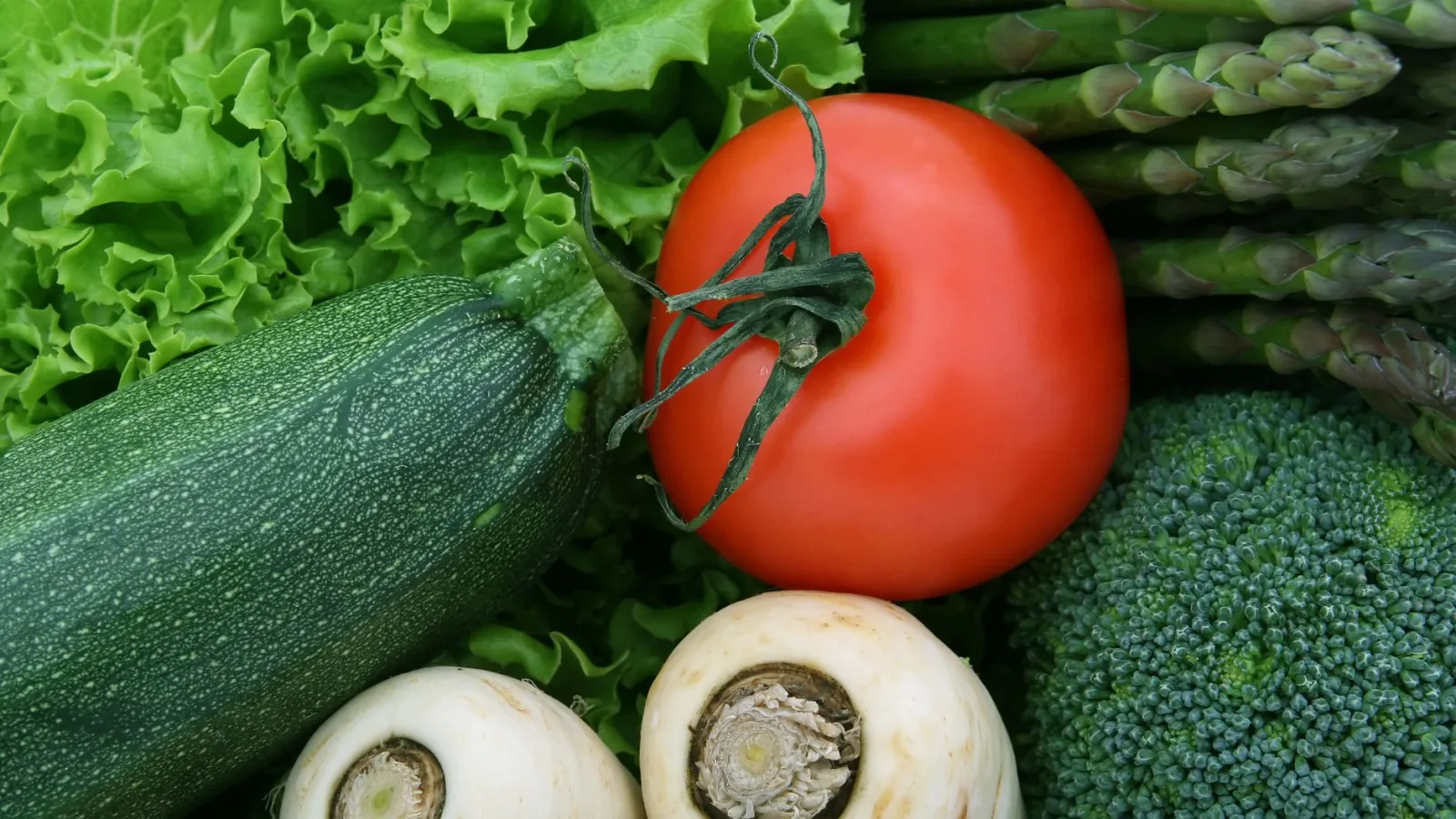
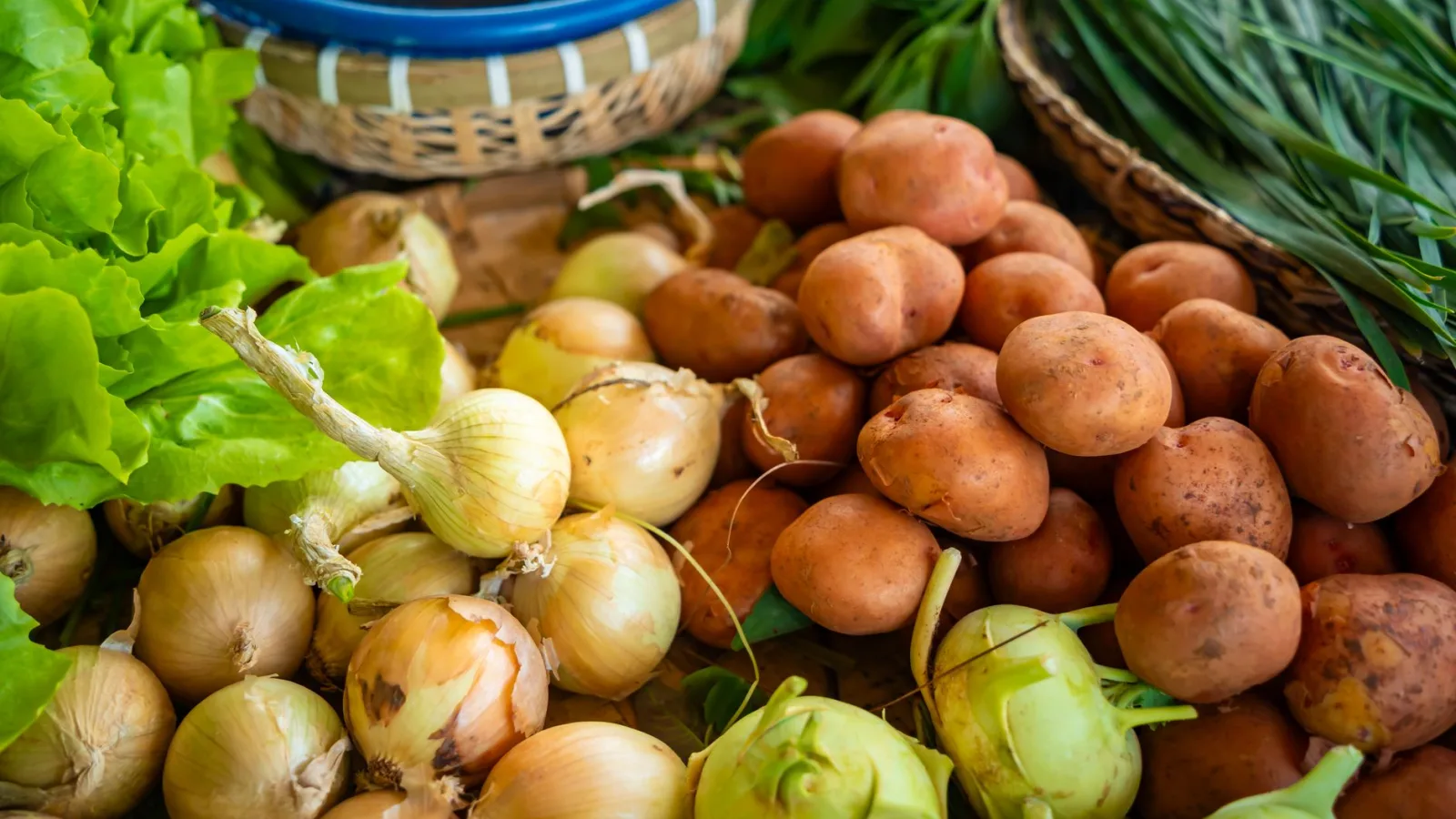
An hour in the garden combines outdoor activity with eating vegetables. Several studies of school gardens have reported that children are more willing to taste vegetables they grew themselves, though it's too early to say how big that effect really is. Still, fall is a great time to start. Try sowing spinach and lettuce, which thrive in cool weather, along with radishes, which are ready to pick in about a month, in a small bed your child can call their own.
That said, watering and weeding are light work. The 60 minutes of breathless exercise the study describes is hard to get from gardening alone. Give your child the heavier jobs, like digging, and set aside separate time for the playground or a bike ride.
When it comes to soy milk and milk, read the label. The survey didn't distinguish between types of drinks, and many store-bought soy milks and flavored milks contain added sugar. Frequent sugary drinks can raise the risk of cavities. Choose unsweetened products, or try making your own from soybeans harvested this fall. Soak the beans, blend them with water, and strain. Once the liquid comes to a boil, keep it simmering over low heat for about 10 more minutes. This tames the raw, beany taste and reduces compounds that interfere with digestion.
You often hear that crunchy vegetables help clean teeth, but there's no evidence they can replace brushing. Even on days when vegetables are on the menu, stick with the toothbrushing routine.
There are also things this survey can't tell us. Because it was a one-time survey from a single region, it shows only that these habits and the two problems are linked. It can't show that eating vegetables every day reduced cavities. Families who serve vegetables daily may differ in other ways, such as easier access to a dentist or fewer sugary snacks. The survey also didn't record which vegetables kids ate or how much.
Put a plate of blanched spinach on the table tonight, and this weekend, spend an hour in the garden with your child.
Reference: Chinese Journal of Epidemiology (2026), a study of how healthy lifestyle habits affect co-occurring tooth decay and undernutrition, and the two-way association between them, in children and adolescents.