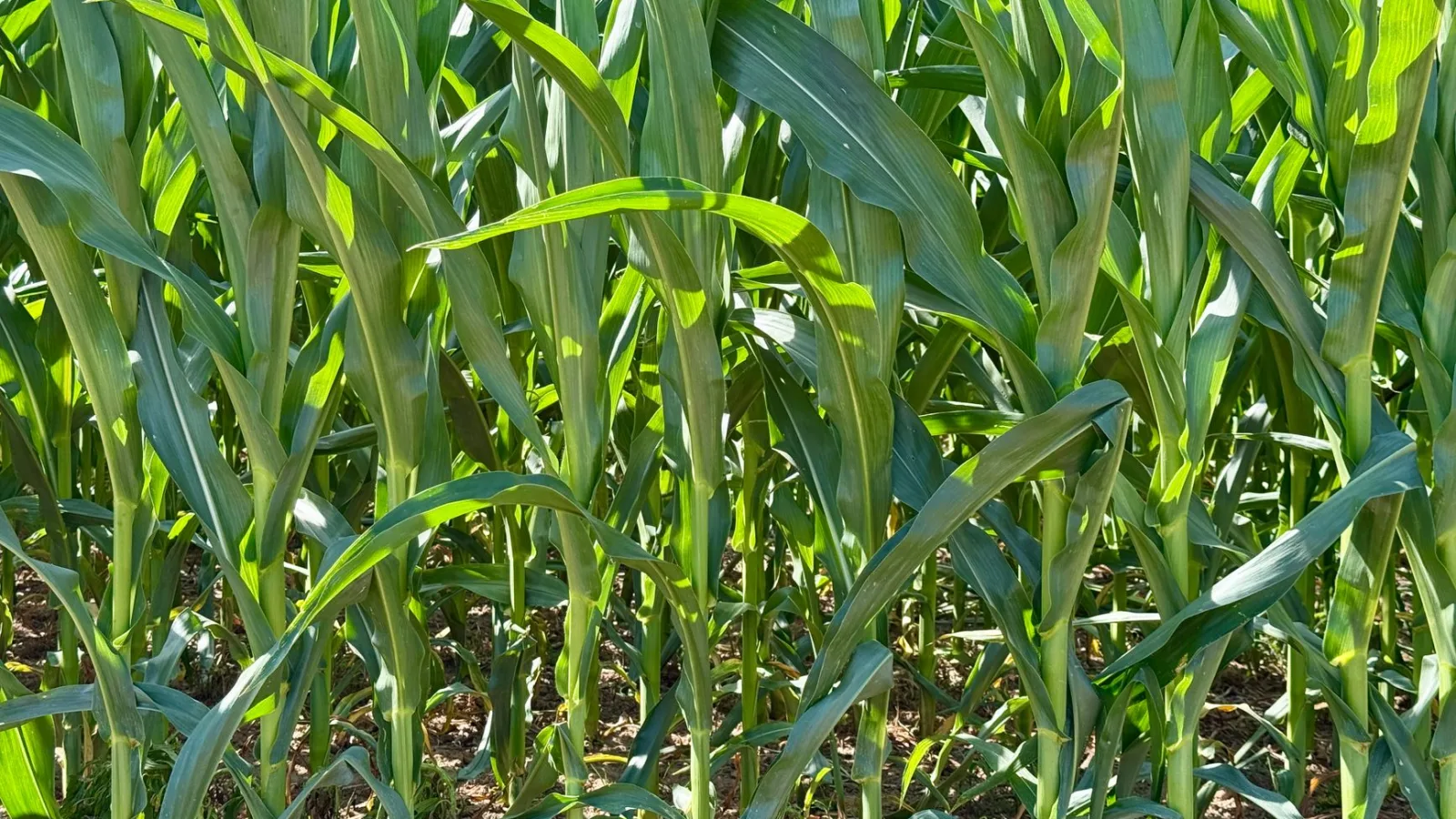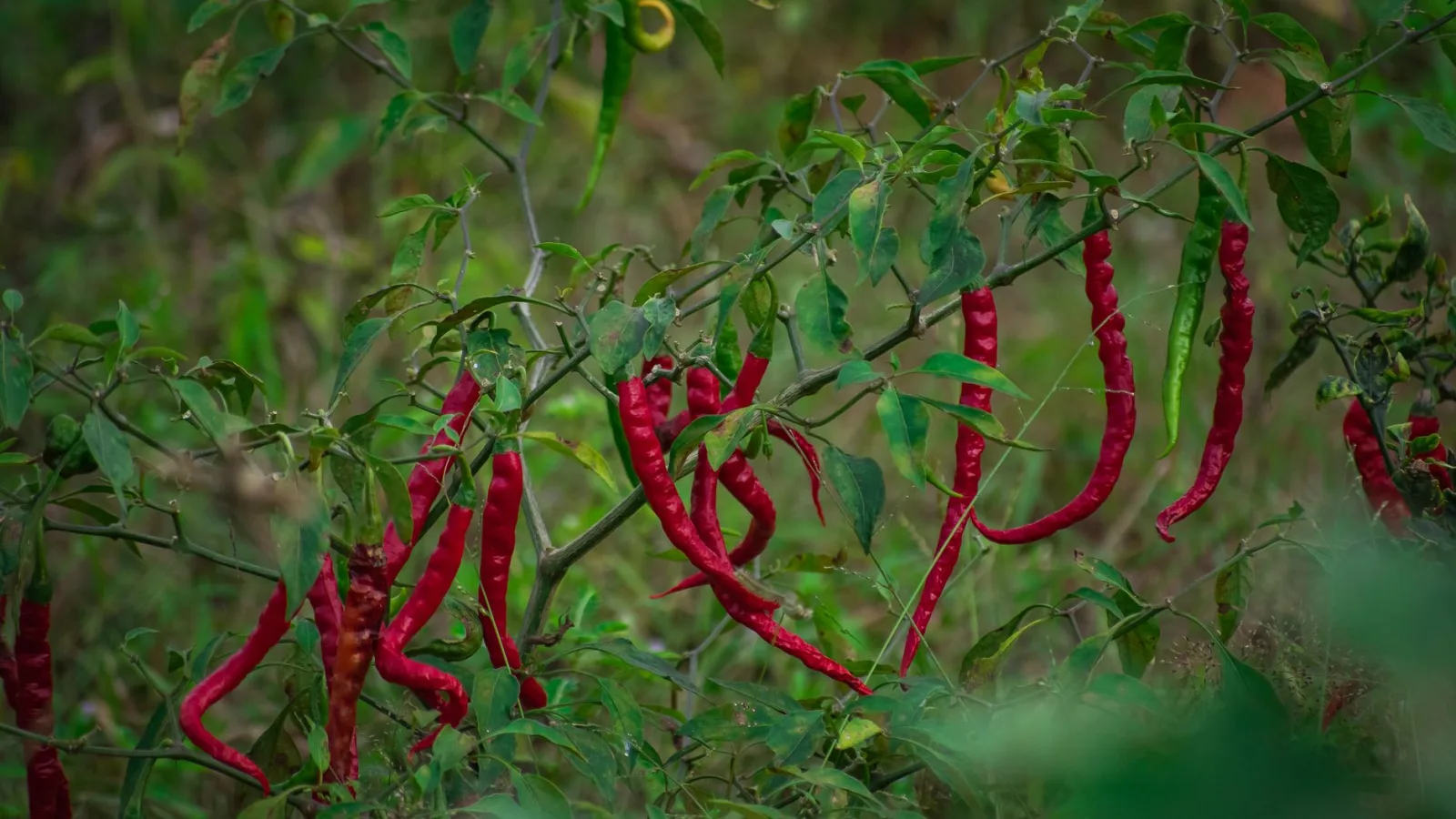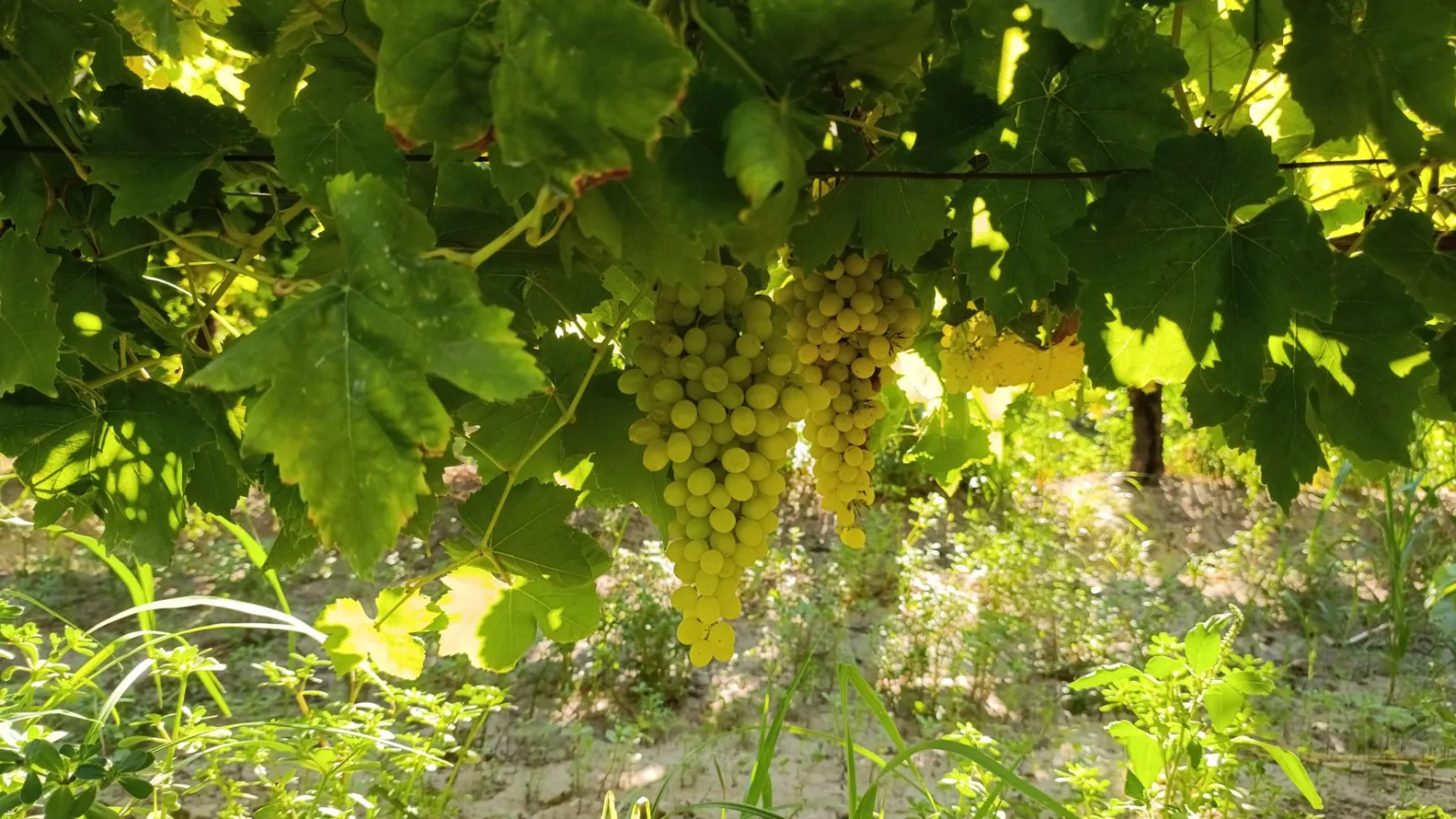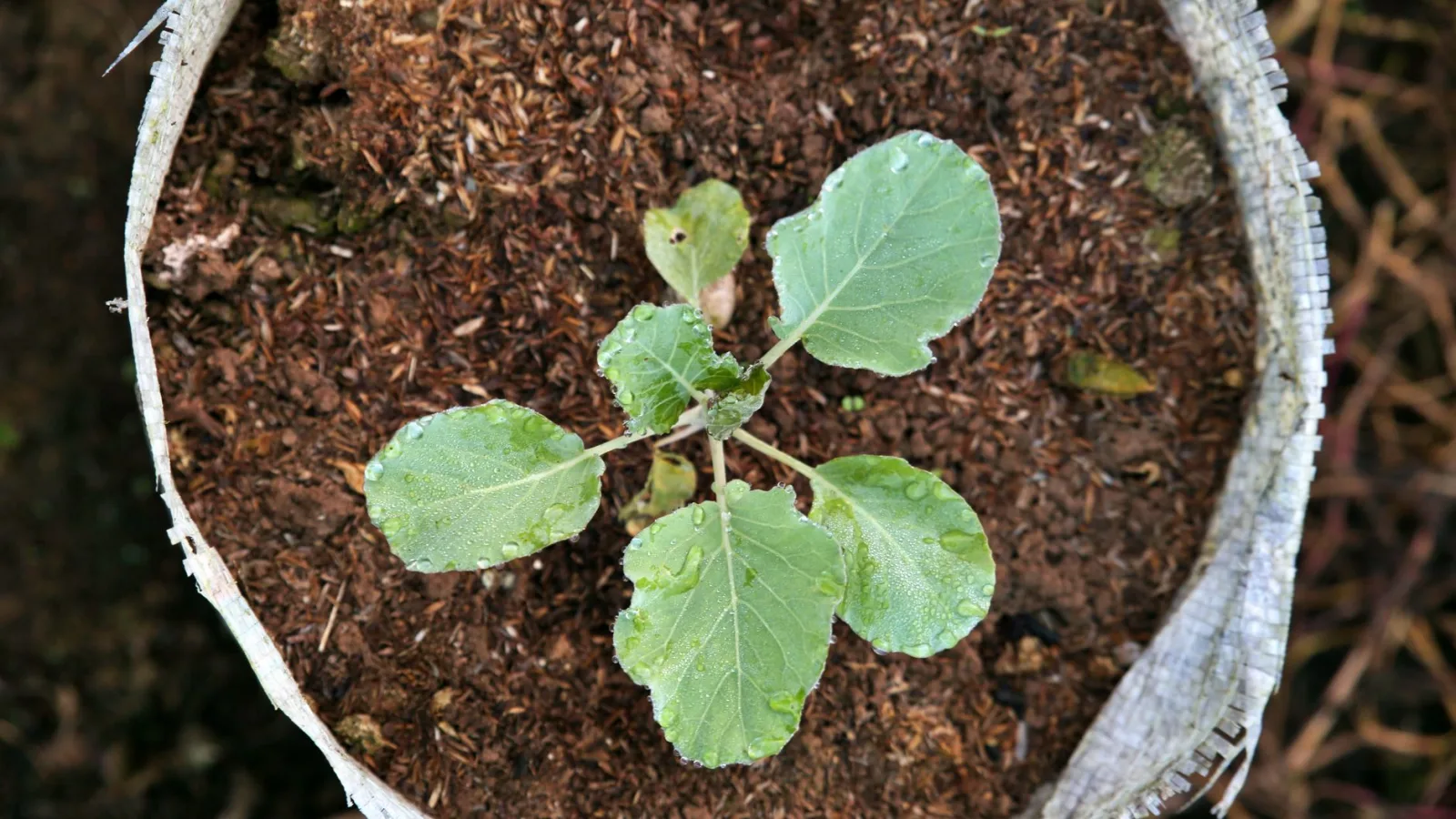
In a late-July garden, you start with the leaves. Holes are spreading across the yeolmu greens (young summer radish), black spots are creeping up the lower leaves of the peppers, and the garlic you just pulled has bulbs so small they feel loose in your hand. You've watered. You've added compost. So where did things go wrong?
Fertilizer bags print the numbers for nitrogen, phosphorus, and potassium in big, bold type. Sulfur shows up in small letters off to the side, if it appears at all. Yet vegetables draw on it both to build their bodies and to fend off disease.
Why the sulfur disappeared
It used to arrive on its own. Sulfur dioxide from factories and cars mixed into rainwater and settled into the soil, so gardeners got a steady supply without giving it a thought. Then clean-air regulations cut sulfur emissions dramatically, and the arithmetic changed. Reports of sulfur deficiency in Europe's wheat and oilseed rape fields began piling up in the late 1980s, and today a growing share of farmland gets sulfur applied deliberately.
Sulfur is a building block of two amino acids, cysteine and methionine. A plant can't assemble proteins without them, so when sulfur runs short, growth is the first thing to slow. That same sulfur also goes into the plant's defensive chemistry. The glucosinolates behind the peppery bite of napa cabbage, radish, and gat (Korean mustard greens); the allicin that stings your eyes when you slice garlic and onions; the glutathione that mops up free radicals inside the leaf — all of them are built around sulfur.
Spend it on growing, or on staying safe?
Because there's only so much sulfur a plant can pull from the soil, it has to split the supply between putting on leaves and roots and holding off pests and disease. Recent plant science suggests that immunity isn't simply switched on or off. The evidence increasingly points to plants turning their defensive response up when sulfur is plentiful and easing it down when it isn't, redirecting what's left toward growth.
Across a range of crops, researchers have repeatedly found that plants given less sulfur are more easily infected by fungal disease. Exactly what signal sets the dial, though, is still being worked out in lab plants like Arabidopsis, so it's too early to say that garden vegetables behave the same way. What's been confirmed in the field is more solid: the drop in disease seen in well-fertilized oilseed rape and wheat has been studied for years under the name "sulfur-induced resistance."
Minding your sulfur in the summer garden
A shortage shows up first in leaf color. When nitrogen is low, the older leaves near the bottom yellow first. Sulfur deficiency does the opposite: the newest leaves at the top are the ones that fade. Sulfur doesn't move around well inside a plant, so it can't pull sulfur out of old leaves and recycle it into new growth.
- Try potassium sulfate (sulfate of potash) or magnesium sulfate (Epsom salt). You get potassium or magnesium, and sulfur comes along with it.
- Brassicas such as napa cabbage, radish, and gat are heavy sulfur users, and so are garlic, onions, and scallions. Work some in before you set out napa cabbage seedlings for kimjang — the big fall kimchi-making — in late August.
- Keep adding well-finished compost. As organic matter breaks down, it releases sulfur a little at a time.
- Ease off the habit of piling on nitrogen. Soft, leggy growth is far more vulnerable to disease.
Today, go out and look at the color of the newest growth. If the upper leaves seem unusually pale, add a handful of potassium sulfate when you prepare the bed for your fall cabbage. That heat and that sharp aroma are compounds the plant made to protect itself — so when the flavor comes on strong, it means your vegetables have all the sulfur they need to defend themselves.
Note — drawn from research on sulfur-induced resistance in the plant nutrition and plant pathology literature