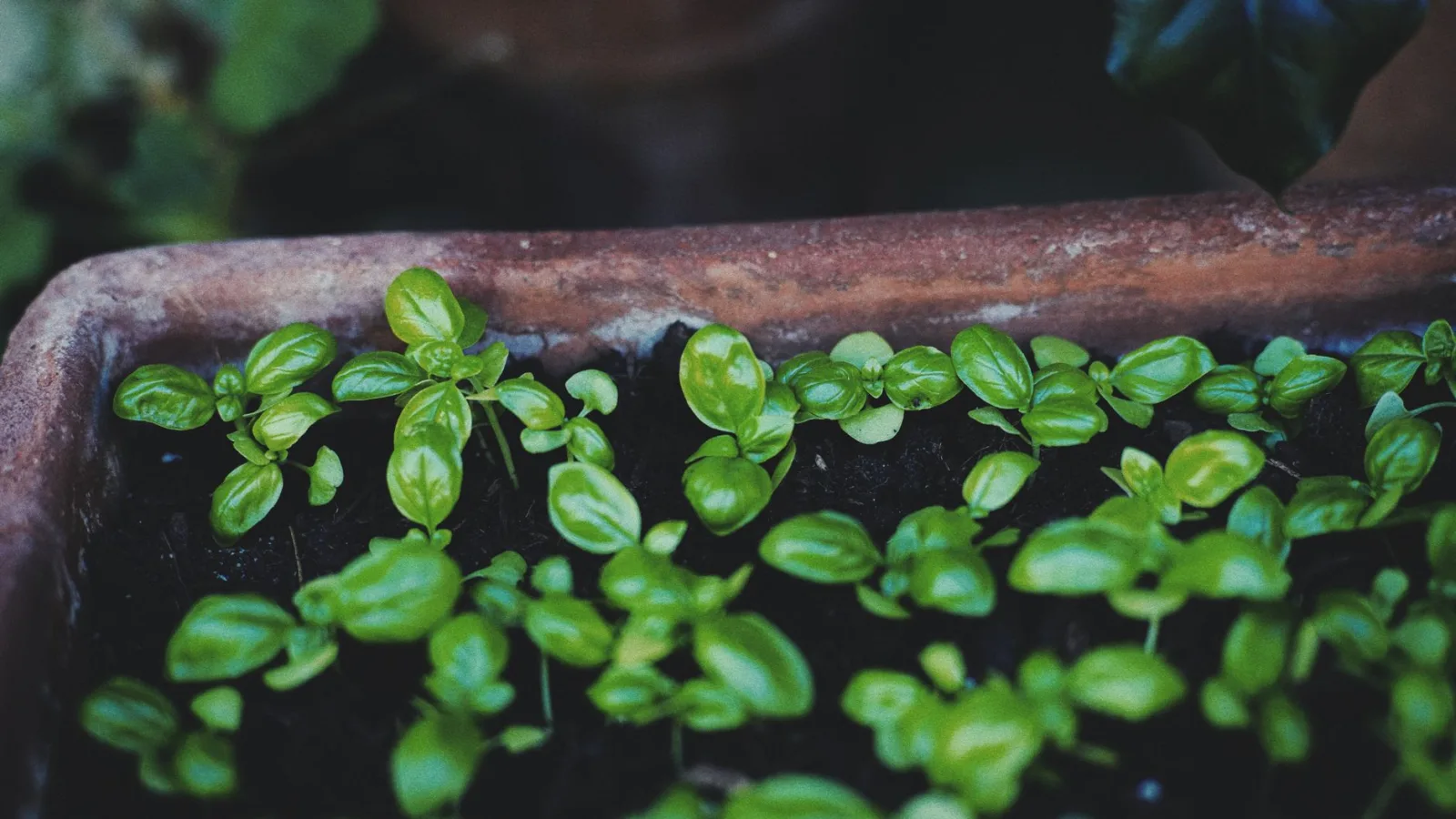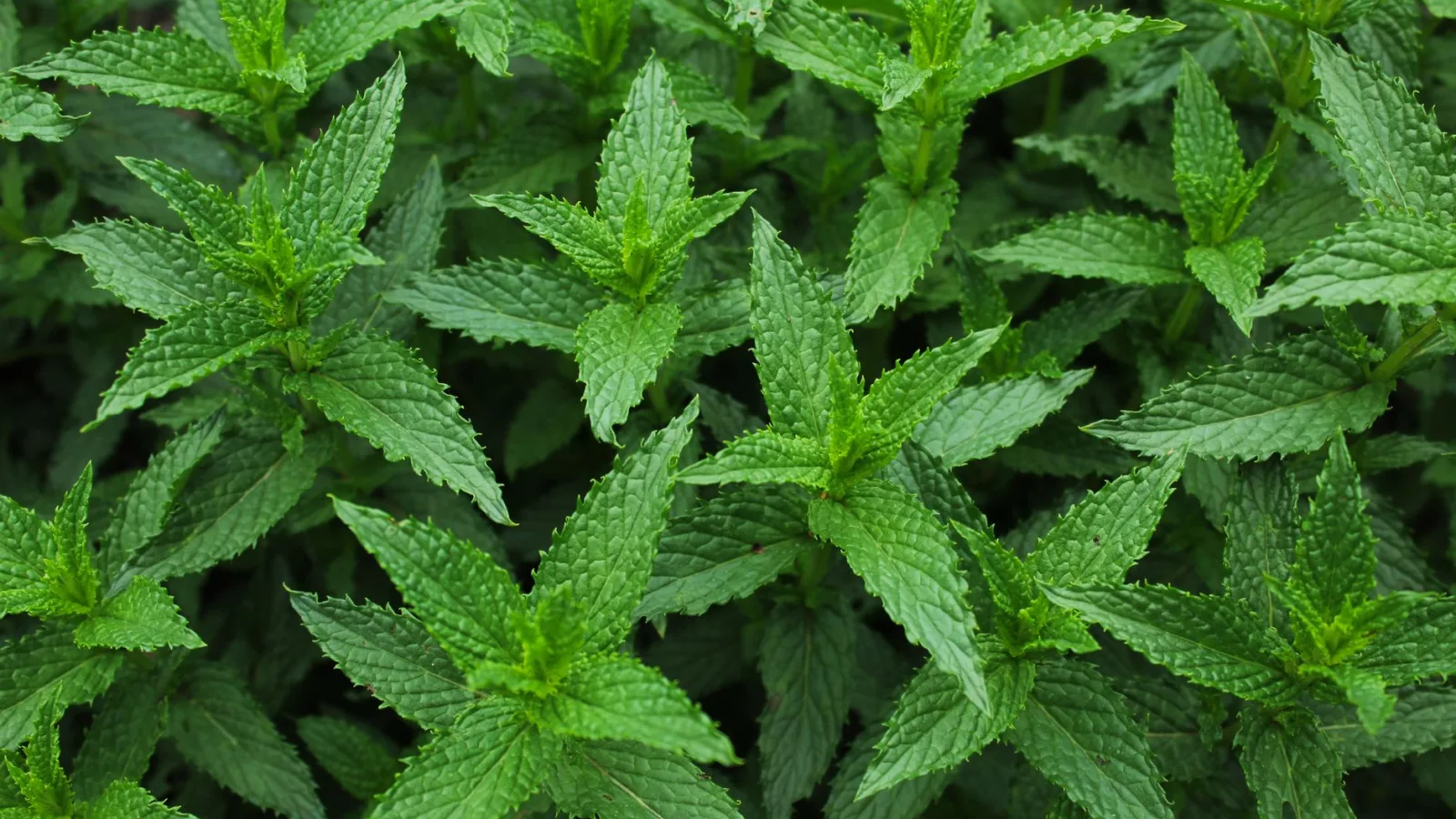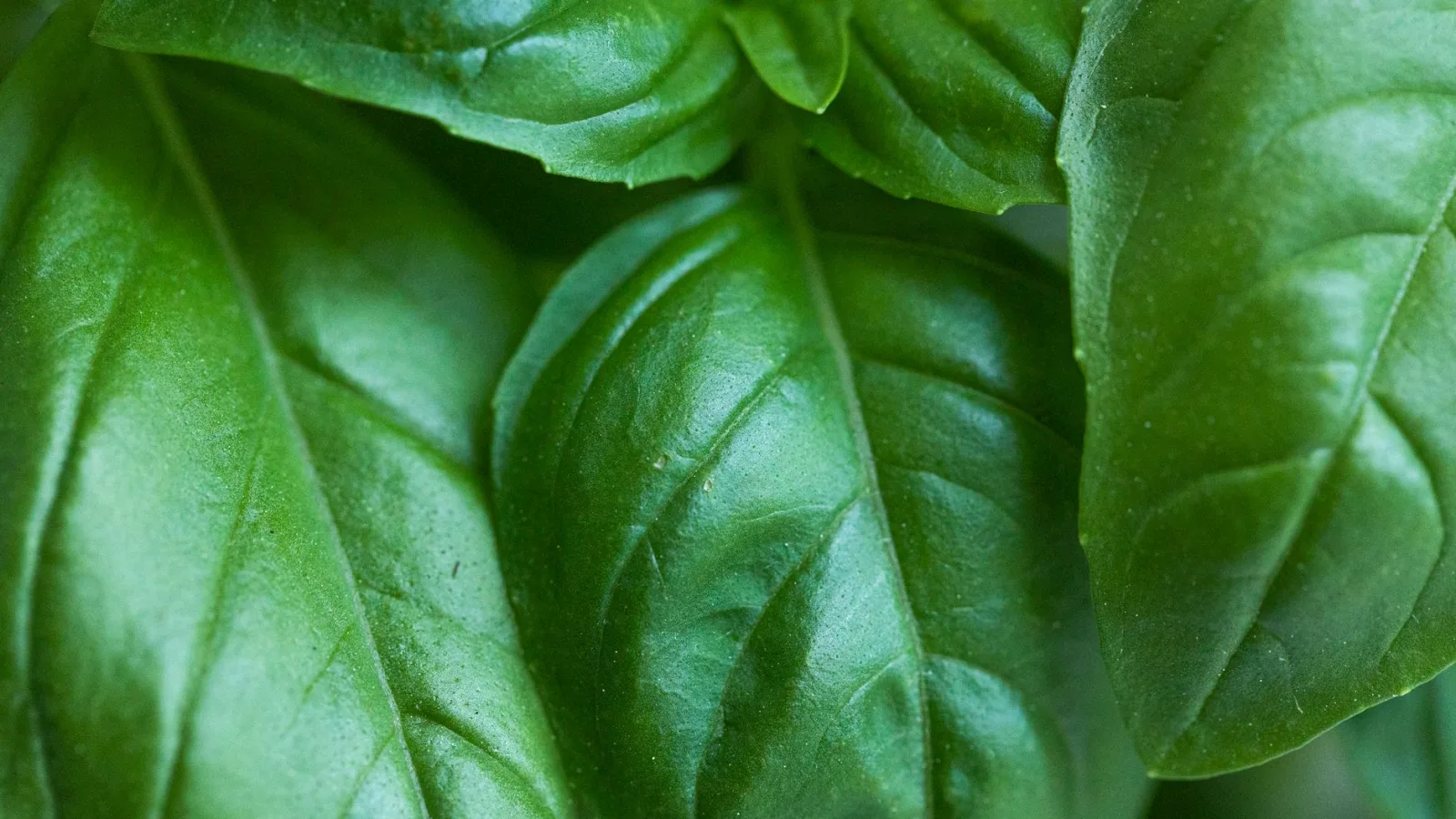
Picture the basil pot on your windowsill in midsummer. Pinch off a leaf, roll it between your fingers, and that unmistakable scent rises up. The thicker and darker the leaf, the deeper the fragrance. So is there a way to grow that same basil stronger and more aromatic? A greenhouse experiment pairing the fungi that live alongside basil's roots with a tiny dose of selenium offers a clue.
The Fungi That Help the Roots
Lift a basil plant gently out of its soil and you'll sometimes see fine, thread-like fungal tissue clinging to the roots. These are arbuscular mycorrhizal fungi, longtime partners to plant roots. Their filaments reach into pockets of soil the roots themselves can't touch, drawing in phosphorus and water and handing them over to the plant; in exchange, the plant shares the sugars it makes through photosynthesis. Thanks to that trade, basil pulls more nutrition out of the very same soil. Roots colonized by these fungi also hold up better under tough conditions, like drought or thin, depleted ground.
Selenium, a Trace Element
Selenium is a trace element the human body needs in very small amounts. You'll find it in seafood and nuts, and it serves as raw material for enzymes that reduce oxidative stress in the body. In this experiment, researchers gave basil selenium in the form of nanoparticles — selenium ground down to a very fine scale — because smaller particles are easier for plants to absorb. At the right dose, selenium supported the antioxidant defenses inside basil leaves and helped the plants hold on to their chlorophyll. Too much of it, though, turns harmful to plants, which is why the study used only a minute amount.
What Happened When They Used Both
The researchers grew four sets of basil side by side: untreated plants, plants given fungi alone, plants given selenium alone, and plants given both. The best results came from the plants that got both. Their capacity to turn light into nourishment — photosynthesis — rose by more than 65 percent, and the chlorophyll that colors the leaves green climbed sharply as well. Yield by weight went up noticeably, and so did the antioxidant compounds tied to both aroma and health benefits. Using the two together did more than using either one on its own.
That said, these results came from a greenhouse with controlled temperature and watering. Carrying them straight out to a backyard bed or an open field would mean working out how much selenium to apply and how the picture shifts with different soils. For now, it's fairer to call this a promising start than a proven method.
In the Garden and on the Table
None of us growing basil at home is about to start dosing it with selenium nanoparticles. Even so, there's something worth taking from this study. Simply leaving the soil untilled so the root-zone fungi stay alive, and going easy on chemical fertilizer, will get you noticeably better basil. You can also mix a commercial mycorrhizal inoculant into the soil.
Basil leaves carry antioxidant compounds right alongside the ones that give them their scent, so eating them fresh helps ease oxidative stress in the body. And well-grown basil is at its most fragrant and most nourishing when the leaves are picked and eaten right away. Tear a few over tonight's pasta or salad and see for yourself.
Source · A sweet basil study published in BMC Plant Biology.