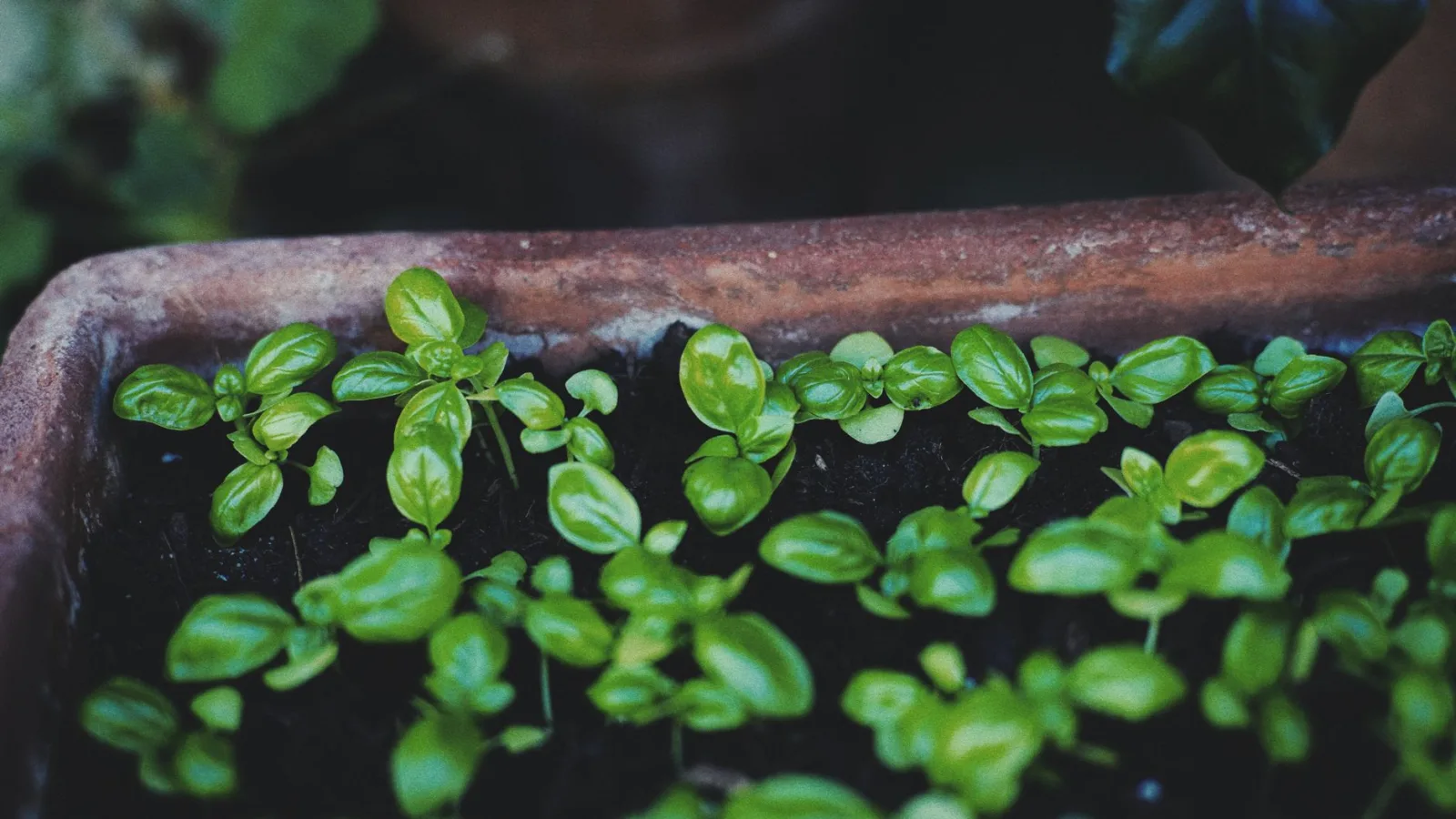
If you've ever grown broccoli sprouts, you probably remember how fast those tiny shoots take off. Soak the seeds, scatter them across a tray, and you're harvesting inside a week. What those sprouts — along with leafy greens like kale, napa cabbage, and lettuce — get up to once they reach your gut has become a steady subject of neuroscience research.
Your gut and your brain are in constant conversation
Scientists call this two-way line the gut-brain axis. The billions of microbes living in your digestive tract do more than break down food: they manufacture compounds that reach and influence the brain. Change what you eat, and you change which microbes thrive and how many — which in turn changes what they produce.
People who stick with a Mediterranean or MIND diet — built around vegetables, fruit, whole grains, and nuts — show more anti-inflammatory activity in the gut and a steadier intestinal barrier, according to a number of studies. Diets heavy in calories but light on nutrients tend to run the other way, triggering immune responses and leaving the gut lining more permeable.
What your gut makes out of vegetables
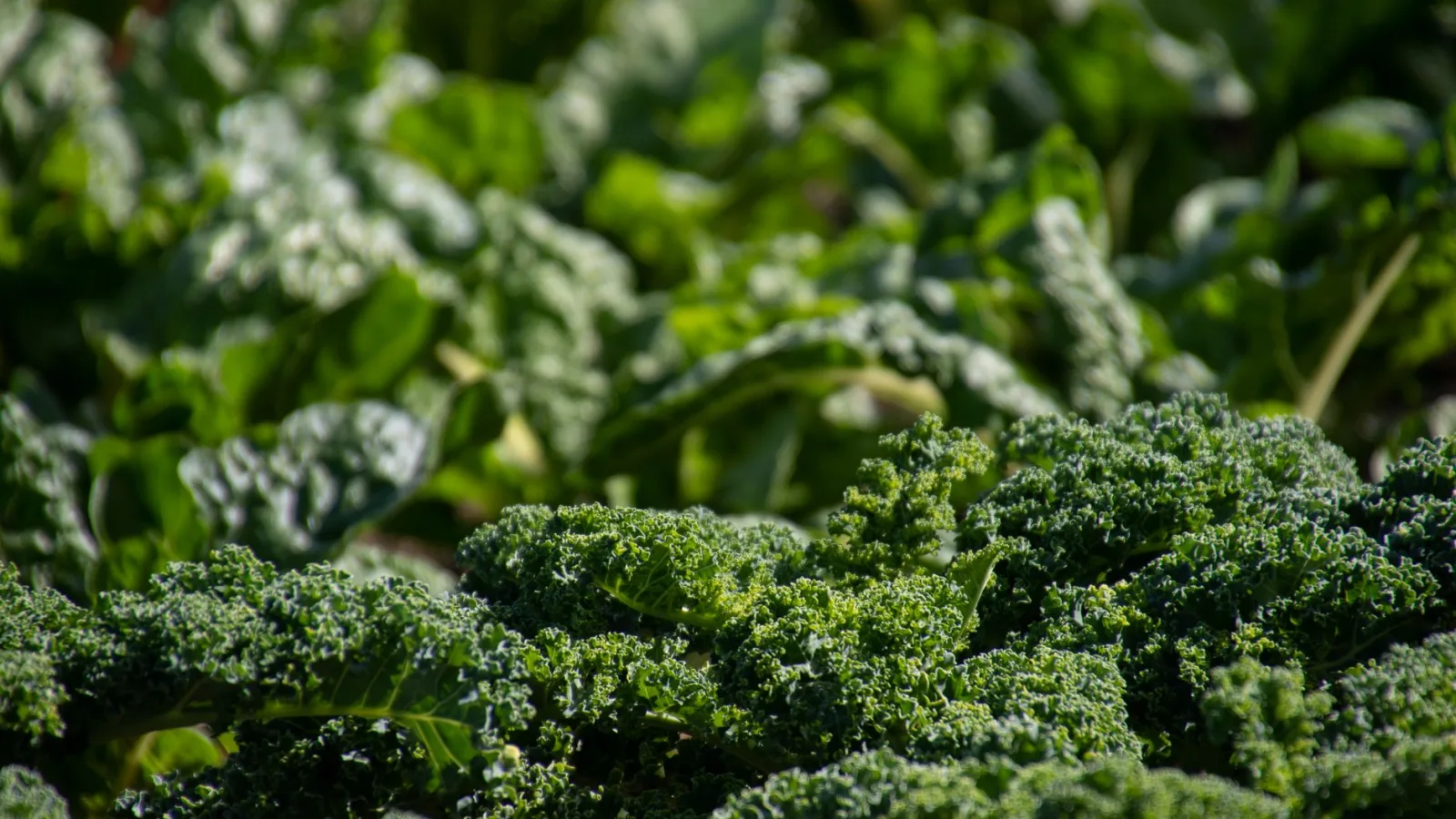
Vegetables carry compounds that gut microbes take apart and rebuild into something else. Short-chain fatty acids are one example: produced when dietary fiber ferments, they feed the cells lining your intestine and help regulate inflammation. Tryptophan — abundant in garden staples like kale, napa cabbage, and mustard greens — gets converted by microbes into indole, a compound linked to gut-brain axis signaling.
Cruciferous vegetables also supply compounds called isothiocyanates. How these affect neurodegenerative disease is still an open question. Animal studies and small human observational studies have pointed in encouraging directions, but large-scale clinical evidence remains limited.
Why broccoli sprouts get so much attention
Among the crucifers, broccoli sprouts stand out in the research literature for one reason: sulforaphane. Sprouts contain far more of the precursor compound than mature broccoli heads do. Once in the body, sulforaphane activates a protein called Nrf2, which helps cells mount a response to oxidative stress and inflammation.
Animal studies have found benefits for cognition and behavior, and some small human trials have pointed the same way. Still, the large clinical studies aren't there yet, so it's too early to call this prevention or treatment for any specific condition. Mature broccoli is worth eating too — but growing a tray of sprouts and scattering them over a salad is an easy way to get more sulforaphane on your plate.
Starting in the garden
Plenty about the relationship between gut microbes and brain health remains unmapped. What does keep turning up, study after study, is that a vegetable-forward diet helps maintain a healthy gut environment. And eating what you grow, consistently, is far easier to sustain than any specialty supplement.
- Broccoli sprouts need nothing but seeds and can be grown anywhere indoors. Start a fresh tray once a week and you'll have a little something for the table every day.
- Plant crucifers like kale, napa cabbage, and mustard greens in your garden beds. Simply picking leaves as you need them keeps fiber and bioactive compounds coming.
- For microbial diversity, rotate through several kinds of vegetables rather than leaning on any single one — both in what you plant and what you eat.
Pick a handful of broccoli sprouts today and put them on the table.
Reference: Frontiers in Neuroscience, 2026 · Plant-derived bioactives, the gut-brain axis, and neurodegenerative diseases