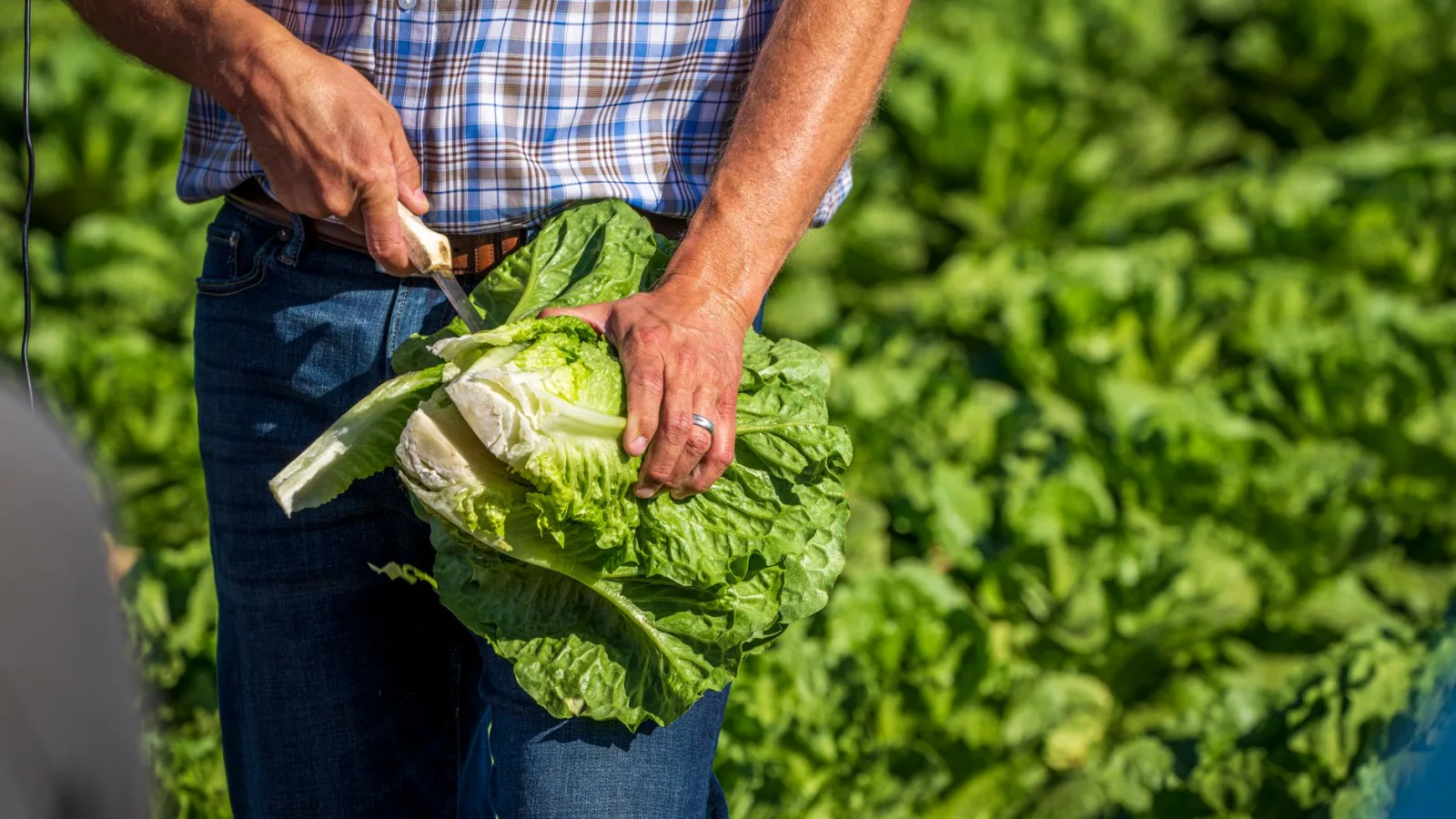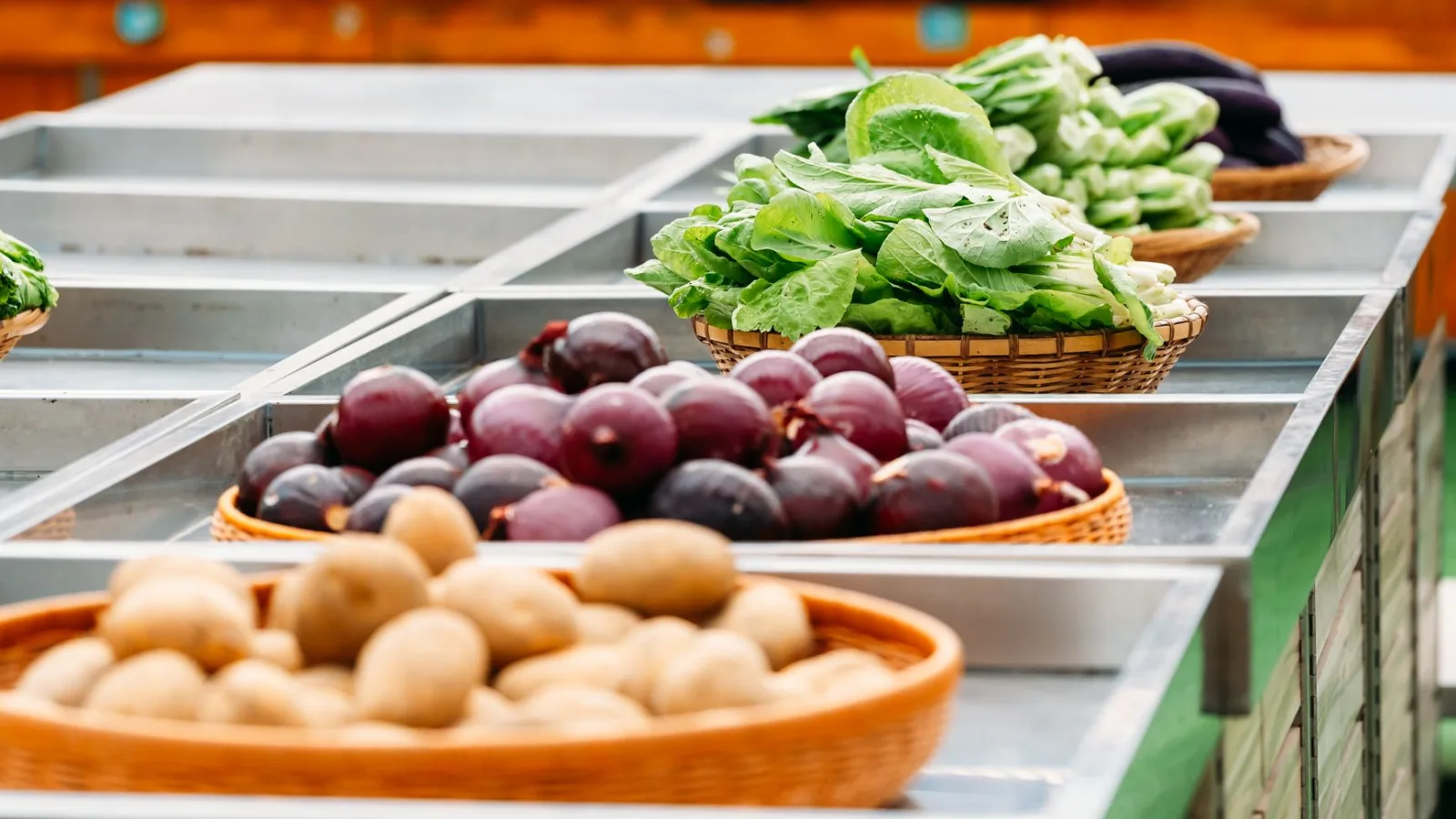
In one Seoul neighborhood, a vertical farm has opened in the basement of an office building. Under LED lights, lettuce and basil grow in stacked hydroponic trays. Yet none of it ends up on the tables of the people who live nearby. The harvest goes to upscale restaurants and subscription boxes, to customers with money to spend. The neighborhood above the farm has no grocery store selling fresh produce. Reaching the nearest one means two transfers on public transit.
Controlled-Environment Agriculture Comes to the City
Controlled-environment agriculture, or CEA, grows crops indoors by precisely managing temperature, humidity, light, and nutrients. Plants grow without soil, untouched by seasons or weather, and with far less pesticide. Because it can produce food year-round inside the city, CEA drew attention as a new channel for the urban food supply.
Private investment poured in during the 2020s, and vertical farms and container farms sprang up across cities. But when a business has to turn a profit quickly, its crop list shrinks. Growers concentrate on a handful of leafy greens that command high prices and turn over fast. Sites get chosen for easy logistics and well-heeled customers. The distance between high-tech farms and neighborhoods with poor food access never closed.
Why Food Access Depends on Your Address
Even within a single city, some areas make fresh vegetables hard to come by. Big supermarkets and fresh-delivery services have long clustered in certain districts and skipped others. The gap shows up in health data, too. Areas where people eat fewer fresh vegetables tend to have higher rates of chronic disease.
A 2026 study published in the field of urban informatics tackles this problem head-on. The researchers argue that controlled-environment agriculture should be designed not as a stand-alone tech product but as a piece of urban infrastructure, like roads or water and sewer lines. Treating it as infrastructure changes the rules for where it goes. The first question becomes which areas need it most, not where it will be most profitable. Neighborhoods with poor food access, low incomes, and weak transit links move to the top of the list of candidate sites. Done this way, the researchers say, CEA can advance food equity, community health, and the resilience of the urban environment all at once.
Putting Data to Work on the Gap
The tools the study highlights are geospatial artificial intelligence, known as GeoAI, and high-performance computing. Layering spatial data on income, existing food retail networks, and transit access makes it possible to pinpoint the neighborhoods where a new farm would actually change things. Vulnerable areas are identified on the map first, and siting decisions follow from there.
Crop management gets finer-grained as well. Data can guide decisions about adapting growing methods to the building layouts and energy conditions that vary from one site to the next. Harvest timing and crop selection can respond to real-time data. The same tools can analyze which crops a given area needs, and in what quantities, to shape supply plans.
Analysis alone, though, closes no gaps. Only when public budgets and urban planning systems line up behind it does a map turn into an actual facility. The researchers stress that policy research and planning that treat this kind of farming as a public matter must advance in step with the technology.
Growing lettuce in a pot on the balcony begins as a personal pleasure. But which neighborhoods get fresh vegetables, and who can reach them, is a question that calls for a wider conversation. The next time you tend a corner of your garden, give it a moment's thought.