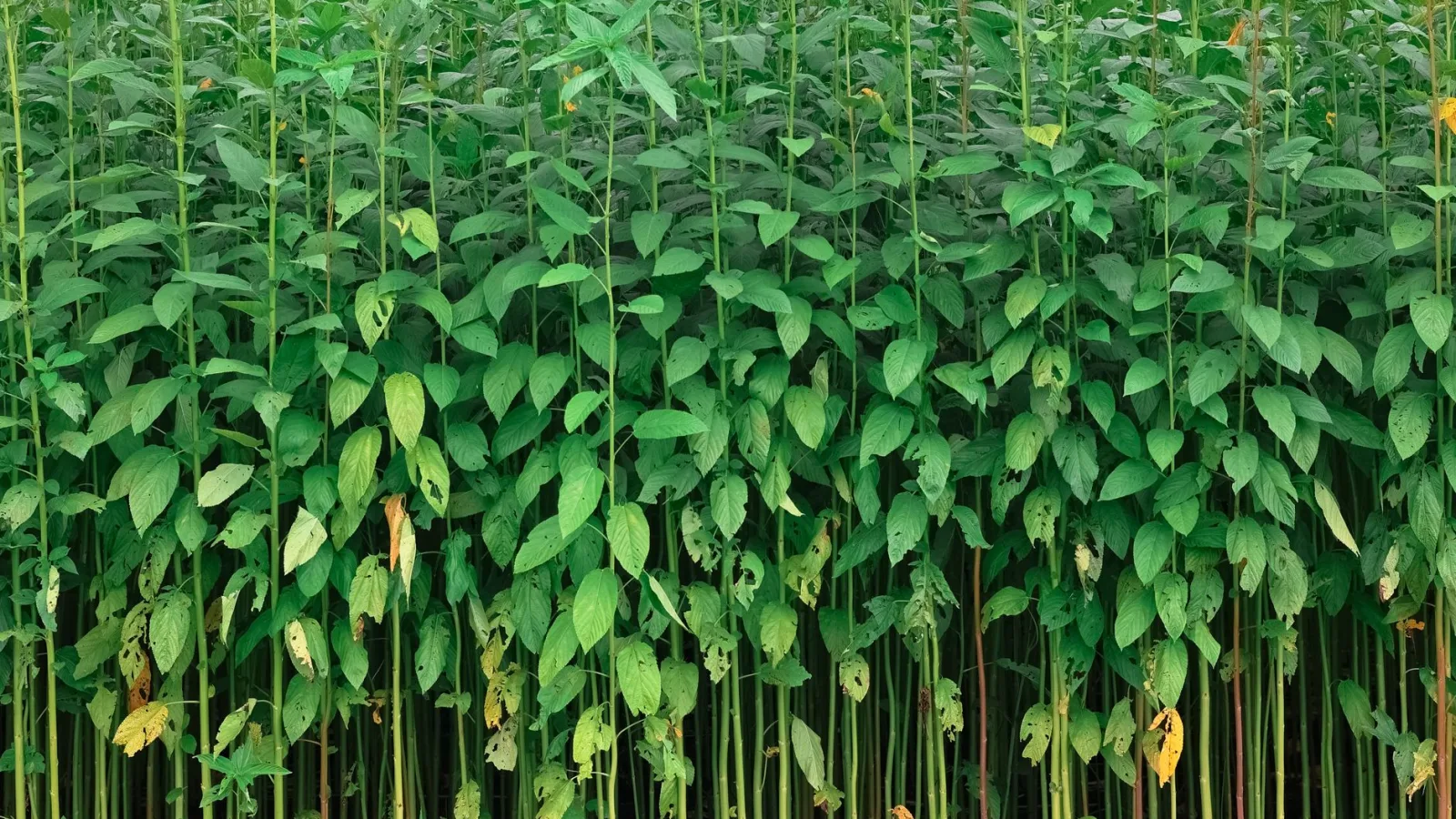
Pull up the bean plants, let them dry for three or four days, then beat the pods, and what remains in the winnowing basket are black seeds no bigger than grains of rice. These are mouse-eye beans, a tiny black soybean sown in June and harvested between October and November in the Northern Hemisphere. People meeting this bean for the first time type nearly the same questions into the search bar: how is it different from seoritae, why is it called the medicine bean, and why does the soaking water turn purple? Learn where the name "medicine bean" comes from and the other two answers follow. So how much of that name is fact?
Seomoktae, Medicine Bean, Yeodu: Three Names for One Bean
The mouse-eye bean gets its name from its resemblance to a mouse's eye. In Sino-Korean it is written seomoktae (鼠目太), and in markets it most often goes by yakkong, the "medicine bean." Seoritae, the other familiar black soybean, is large and green inside when split; the mouse-eye bean is far smaller and yellow inside. Check both the size of the beans and the color inside when choosing a bag, and the two sort themselves out. Soybeans (Glycine max) are grown most heavily in Brazil, the United States, Argentina, China, and India, but Korea is largely alone in giving a black variety the size of a mouse's eye its own name and seeking it out. Planting and harvest months, along with ingredients it pairs well with, are laid out in our mouse-eye bean crop guide.
The Yeodu (穭豆) Recorded in the Donguibogam
The name "medicine bean" is thought to come from this bean's appearance as a medicinal ingredient in old medical texts. The Donguibogam, compiled by Heo Jun and published in 1613, has an entry titled yeodu (穭豆) in the grains chapter of its section on medicinal substances, and records its old Korean name as hyogeun geomeun kong. Hyogeun means small, so the name reads "small black bean." The entry describes a bean that grows wild in the fields, with small black seeds, and classes its nature as warm, its flavor as sweet, and its character as nontoxic. It even left a standard for choosing good ones: beans that were black, hard, and small were called ungdu (雄豆) and rated the best.
What deserves a second look in this entry is something else. Holding that a bean's nature changes with how it is prepared, the text treats boiled bean liquid, tofu, roasted beans, and meju (fermented soybean blocks) each separately. These are the descriptions of an old medical text and do not match present-day judgment, so here we read them only as the backstory of how the name "medicine bean" came to be.
Why the Soaking Water Turns Purple
Leave mouse-eye beans in water and within a couple of hours it turns a reddish purple. That is anthocyanin, the pigment behind the black seed coat, dissolving into the water. That the pigment in black soybean skins is anthocyanin has been confirmed by compositional analysis, and the beans also contain isoflavones, phenolic compounds found widely in legumes. You've seen the foam that rises when beans boil. That foam is generally explained in connection with saponins. The largest share of the seed itself, though, is protein, the seed's storage substance.
Can the name "medicine bean" be trusted? This is as far as the answer goes. What can be confirmed today is which pigment is in the skin and what the seed contains. Nowhere in the crop guide is there a record that a darker color means a stronger effect on the body. One fact, though, that the pigment dissolves in water, is immediately useful in the kitchen. Instead of discarding the soaking water, pour it in as the cooking water for rice and the grains take on a faint tint.
Skip Raw, Cook Thoroughly: Rice, Glazed Beans, Roasted Powder
However you eat them, the current standard is never raw but cooked thoroughly. Raw and undercooked soybeans contain trypsin inhibitors and lectins, proteins that block the action of digestive enzymes and can cause stomach pain or vomiting. Food science explains that sufficient heating changes the nature of these compounds, and this is the basis for the long-standing custom of always cooking beans. For the same reason, skip blending soaked beans and drinking them raw, and if you do blend them, boil the mixture before drinking.
- In rice: Soak 50 g of mouse-eye beans in 300 ml of water for 3 to 4 hours. Seoritae needs about 8 hours, but these smaller beans don't need nearly that long. Add them, soaking water and all, to 300 g of rice and cook.
- Kongjaban (soy-glazed beans): Put 150 g of soaked beans in 400 ml of water, simmer over medium heat for 15 minutes, then pour off nearly all the water. Add 45 ml of soy sauce, 30 ml of corn syrup (mullyeot), and 100 ml of water, and simmer over low heat for about 15 minutes. Low, slow cooking keeps the skins from splitting and gives the beans a glossy finish. Turn off the heat before sprinkling on sesame seeds.
- Roasted and ground as a drink: Roast 200 g of dried beans in a heavy pan over medium-low heat for 12 to 15 minutes. Keep shaking the pan so they cook evenly, and turn off the heat once the skins split and a nutty aroma rises. Let them cool completely before grinding, or the powder will turn soggy. Stir 15 g of powder into 200 ml of water for one glass.
Roasted beans are very hard. They are just the size to swallow whole, so don't give them to young children as they are; grind them first, and the same goes for anyone with weak teeth. Soy is a labeled allergen, so if you have ever reacted to soy, treat mouse-eye beans the same way and check the labels on soy products such as tofu, doenjang (fermented soybean paste), and soy sauce as well.
Next time you pick up a bag, start with the size of the beans and the color inside. The Donguibogam's standard for a good yeodu came down to three things: beans that were black, hard, and small. Some four hundred years on, what you look for standing in front of that bag is not so different.
Source: Heo Jun, Donguibogam, section on medicinal substances, grains chapter (穀部), entry on yeodu (穭豆), 1613.