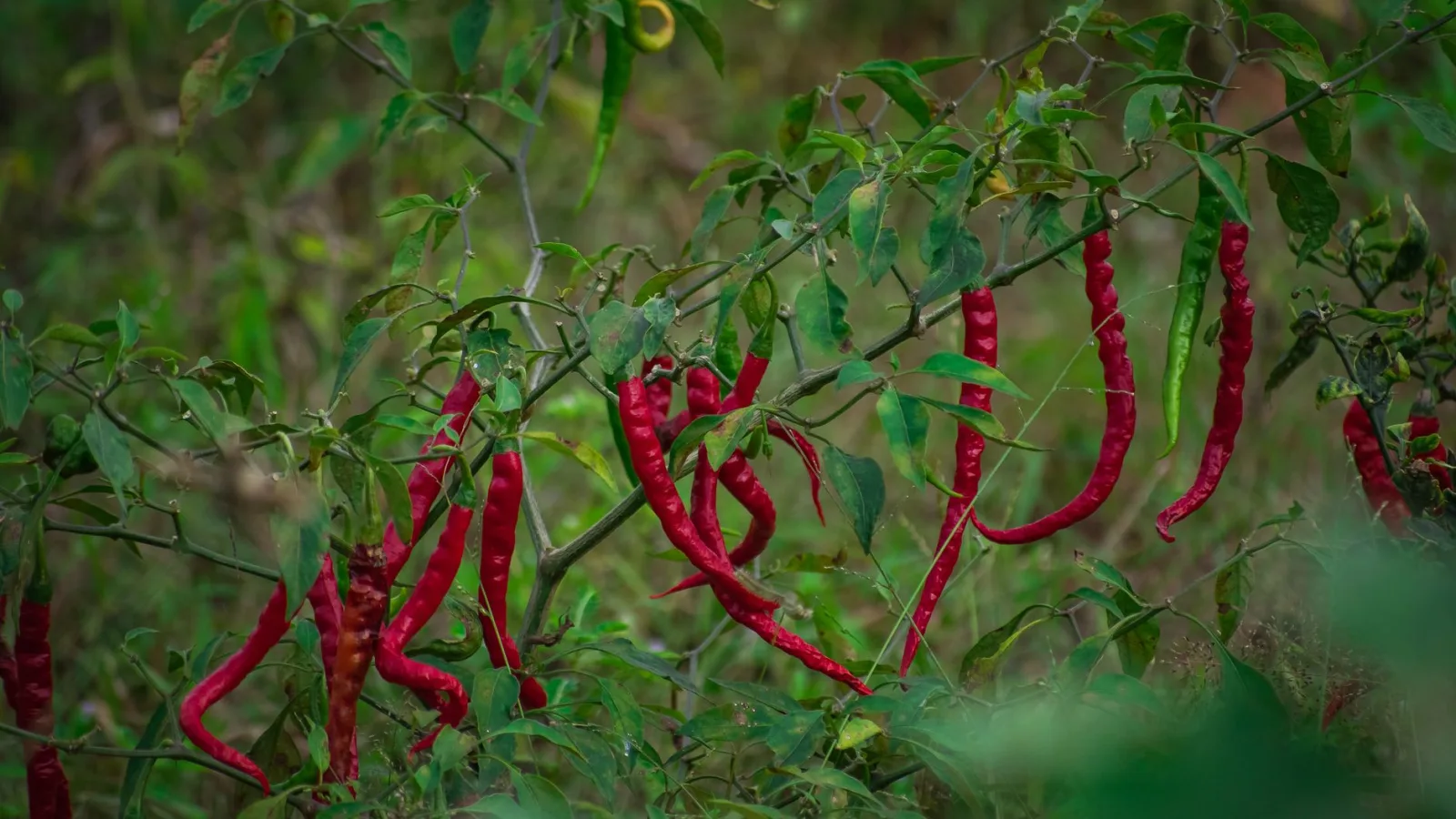
On some summer days, you lift a napa cabbage leaf and find holes chewed along the veins, with a green caterpillar clinging underneath. Chili pepper plants turn up with their new shoots coated in aphids. You pick the pests off by hand and hose them away, but within a few days they're back. Yet even in the same garden, beds with healthy soil often suffer less insect damage. Out of sight, that soil is already home to fungi that infect and kill insect pests.
One Fungus That Hunts Pests and Feeds Roots
A soil fungus called Metarhizium is a prime example, and it makes its living in an unusual way. It pushes its hyphae, the fungus's threadlike filaments, into the bodies of insects such as beetle grubs and aphids. Then it grows inside them and slowly kills them. The dead insects decompose in the soil, and the fungus also breaks down other organic matter, like fallen leaves and bits of old root. So far, it isn't much different from any other soil fungus.
What sets it apart is its relationship with crop roots. Metarhizium settles in right alongside the roots and hands off nitrogen from the dead insects to the plant. Insect bodies are packed with protein, which makes them a nitrogen-rich meal. When the fungus delivers that nitrogen to the roots, crops grow as if they'd been given an extra feeding of fertilizer. In return, the fungus gets sugars that the roots release. A single species ends up doing two jobs at once: killing pests and feeding crops.
The Less Picky the Fungus, the Better It Works
Why would a broad diet be an advantage? Fungi differ in what they eat. Some target only one or two kinds of insects. Others digest a wide range of insects and organic matter. When researchers at the University of Maryland compared several types of Metarhizium, they found that the less picky a species was, the more pests it killed and the more nitrogen it passed to roots.
Researchers think they know why. Digesting many different foods takes a wide range of enzymes and genes. That same toolkit helps the fungus break through an insect's tough outer shell and break down organic matter in the soil. A fungus that isn't fussy about its food seems better equipped to handle the many pests and conditions it meets in a garden bed. This hasn't been confirmed equally in every species yet, but a number of studies point the same way: it pays to keep soil as a thriving community of many different organisms.
How to Keep These Fungi Thriving in Your Garden
There's nothing exotic about these fungi. They're common in healthy garden soil. But how you treat your soil decides whether they flourish or dwindle. Here are a few things you can start doing today.
- Cut back on broadcast spraying of chemical insecticides. When you spray to kill pests, you also wipe out the helpful fungi in the soil.
- Once a bed is harvested, cover it with fallen leaves, pulled weeds, or chopped-up crop residue. That organic matter becomes food for the fungi.
- Don't turn your soil too often or too deeply. If the underground network the hyphae have built gets broken up, the fungi have a hard time getting established.
- You can also use microbial products (biopesticides) containing Metarhizium or Beauveria. When aphids or thrips are at their worst, applying them to the soil and leaves can help.
These fungi are generally considered harmless to people and have relatively little effect on beneficial creatures like bees and earthworms. They're a good fit for any garden where you want to keep pests in check while relying less on chemical pesticides.
Today, try spreading a single layer of fallen leaves over a bed you've finished harvesting. It gives the fungi in your soil what they need to take on next season's pests for you.
Sources — University of Maryland research on the insect-killing fungus Metarhizium; research on fungal nitrogen transfer by Michael Bidochka's team at Brock University