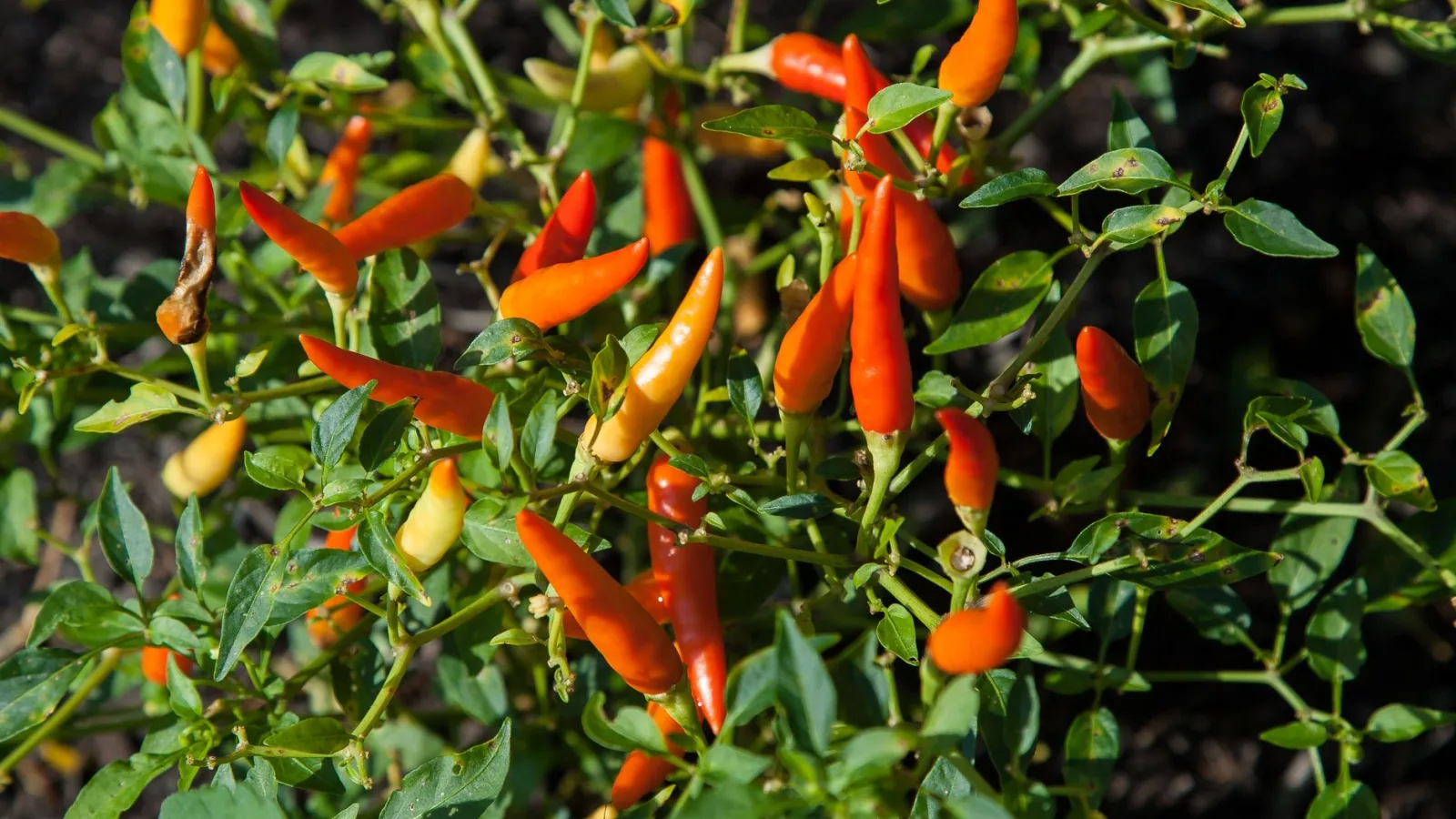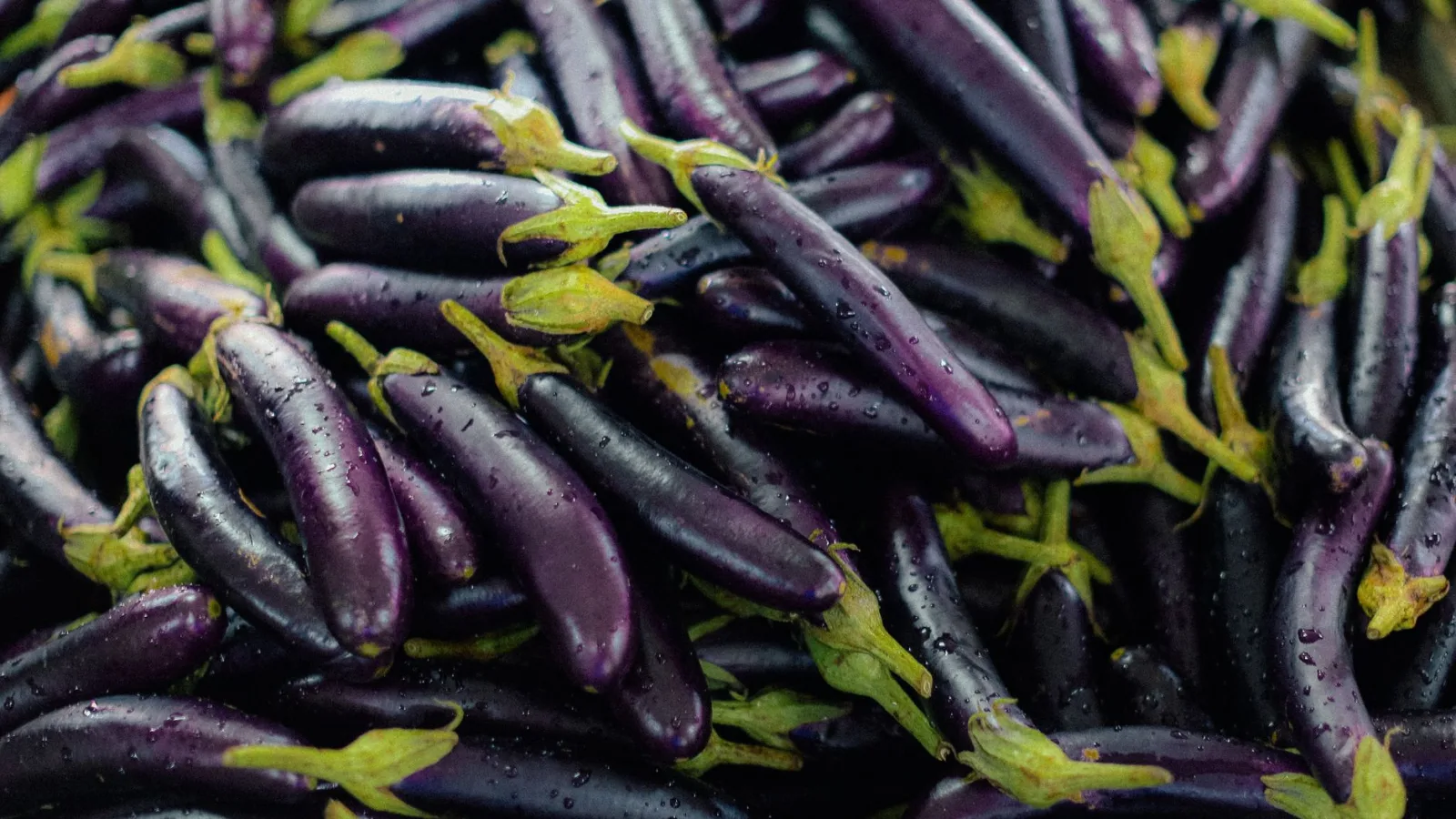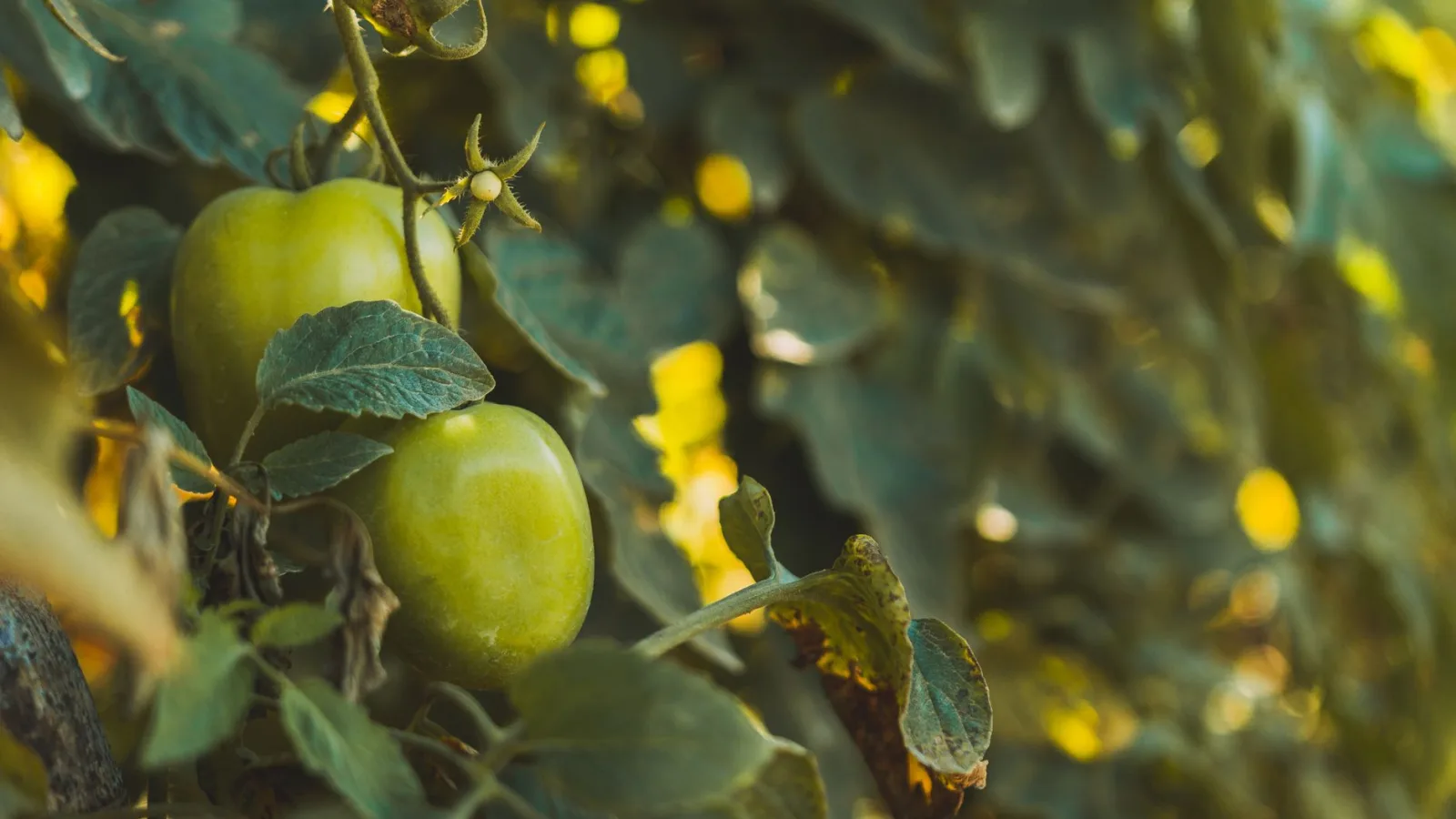
Step into a summer garden and you'll spot a hefty bee lumbering between the tomato and eggplant blossoms. That's the bumblebee, big-bodied and fuzzy all over. It grabs hold of a flower and buzzes its wings to shake the pollen loose, and thanks to that work, the fruit sets plump and full. But this little bee once left a team of researchers scratching their heads.
It Found a Way No One Taught It
A research team in London gave bumblebees a small puzzle box. Pushing or turning the lid let the bees reach the sugar water inside. The researchers demonstrated only one method, yet some bees reached the reward by a route no one had shown them. They didn't simply repeat what they'd been taught; they sized up the situation in front of them and changed tactics on their own. Not long ago, the idea that insects could solve problems this flexibly would have been a hard sell.
How Does a Brain the Size of a Grain of Rice Do That?
A bumblebee's brain holds about 1 million neurons. The human brain has more than 80 billion, so there's really no comparison. Even so, when a bumblebee faces a problem it has never seen before, it tries several approaches and remembers the trick that worked. In one experiment, bees that watched another bee that had already mastered a technique went on to learn it themselves. The fact that bees learn by watching one another suggests that learning may not belong only to humans and a handful of large animals.
How to Help Bumblebees in Your Garden
Bees this clever are in charge of pollinating our gardens. Crops like tomatoes, eggplants, and blueberries, whose flowers release pollen only when they're shaken, depend especially heavily on bumblebees. Here are a few simple ways to make your garden an easy place for them to come and go.
- Use pesticides only when truly necessary, and avoid spraying during the daytime hours when flowers are wide open.
- Plant nectar-rich flowers such as lavender, borage, and sunflowers along the edges of your garden.
- Set a few stones in a shallow dish and fill it with water so bees have a place to land and drink.
- Many species nest underground or in gaps between rocks, so leave one corner of your garden undisturbed.
Next time you're out in the garden, take a moment to watch the bumblebees moving from flower to flower. These little workers, capable of solving problems they were never taught, are quietly setting the fruit that ends up on our tables.