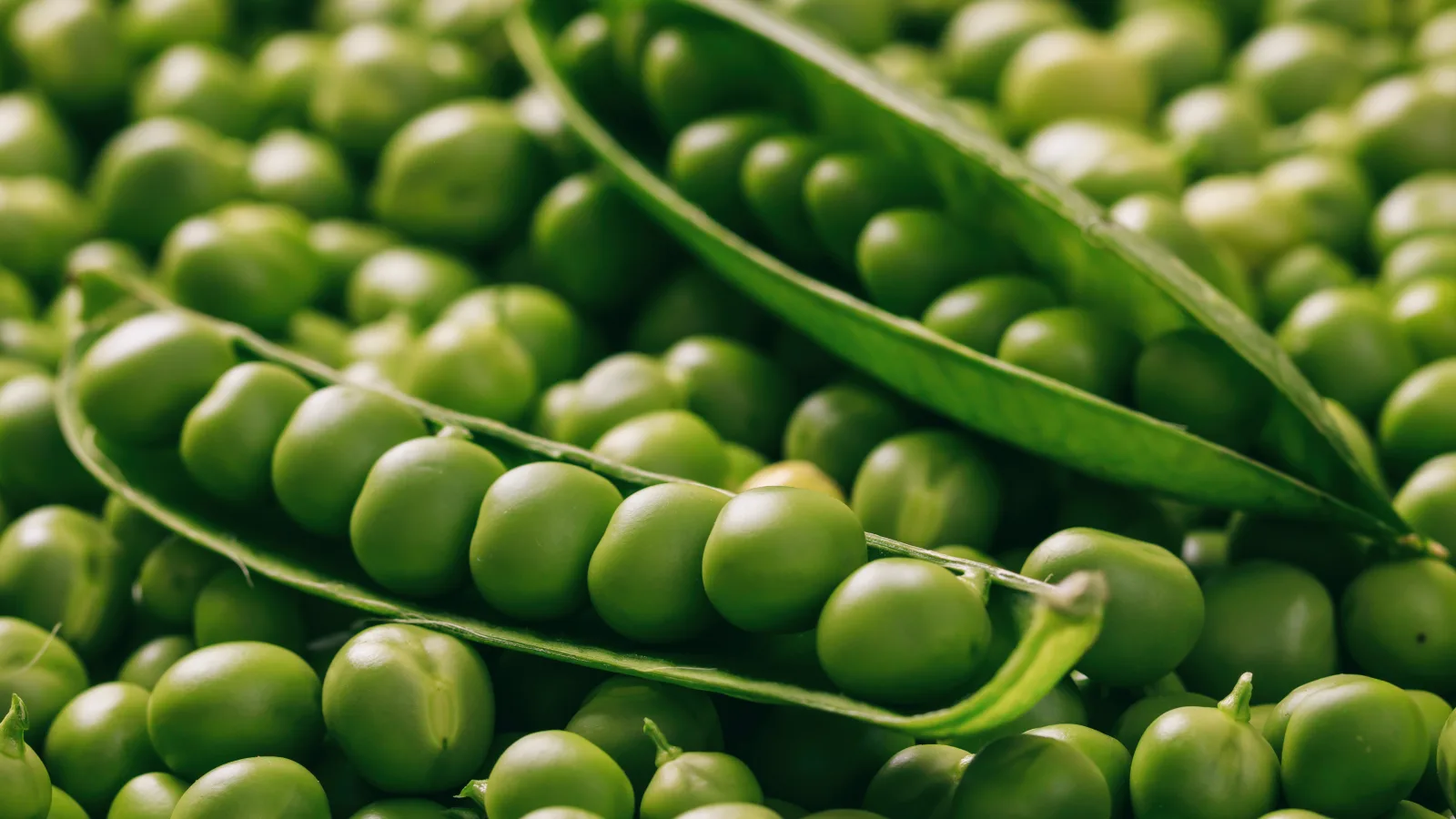
A Cascade of Green from the Garden Patch
Fellow gardener, have you ever shelled pea pods by hand in your early-summer plot? Press your thumbnail gently along the seam, and the pod snaps open with a soft pop, sending little round peas rolling out one by one. Pop one fresh from the pod into your mouth, and through that raw, grassy edge you'll catch a quiet, lingering sweetness. And then come the kitchen scenes you know well — a handful tossed into the rice cooker for pea rice, stirred into porridge, or blended smooth into a velvety green soup.
Planted in spring and harvested in early summer, peas are a faithful companion to home gardeners — the crop that marks both the opening and the close of the season's first chapter. When the flowers fade and the pods swell plump, the satisfying work of harvest begins. So how did our ancestors regard this everyday vegetable? Let's take a moment to look through the lens of the Dongui Bogam, Korea's landmark 17th-century medical encyclopedia.
What the Dongui Bogam Says
The Dongui Bogam records the garden pea as a grain-vegetable that is balanced in nature and sweet in taste. "Balanced" here means neither warming nor cooling — it leans to neither extreme. Non-toxic and gentle in character, the old texts ranked peas among the most easygoing of all nourishing grain-vegetables.
Its healing energy, in the framework of traditional Korean medicine, is directed toward the spleen and stomach. The Dongui Bogam saw peas as a food that reinforces the spleen and stomach and replenishes qi (vital energy). For that reason, the text considered peas an ideal gentle nutritional source during recovery and for the elderly or infirm.
Particularly striking is the text's mention of sogal (消渴). Sogal was a classical condition understood today in terms roughly analogous to diabetes — marked by unrelenting thirst — and the Dongui Bogam recommended peas to ease both thirst and sogal. The pea was regarded as a grain that could calm that constant, searching need for water. The text also passes down a use for stopping vomiting: when morning sickness set the stomach churning, or when digestive irritation brought on nausea, peas were the remedy that came to mind. In short, the Dongui Bogam viewed peas as an all-around gentle grain — one that soothes the spleen and stomach, quells thirst, and settles the digestive system. Rather than aggressively targeting any single symptom, peas were understood as a food that quietly and steadily supports the body's underlying foundation.
Through a Modern Nutritional Lens
That ancient perspective turns out to align, in several ways, with what modern nutrition science tells us. Garden peas are a well-rounded source of plant protein, dietary fiber, and an array of minerals. The nourishing, restorative qualities the Dongui Bogam identified correspond closely to this richness in protein, fiber, and minerals.
The recommendation for sogal also rewards a second look. Foods rich in both fiber and protein are known to help moderate the rise in blood sugar — and when you re-read the Dongui Bogam's guidance on thirst and sogal through the language of modern nutrition, that role of fiber and protein comes clearly into focus. This, of course, sits firmly in the realm of everyday nutritional knowledge, a far cry from any claim that peas cure disease. It is simply satisfying to notice how an ancient text and modern nutritional science quietly overlap when it comes to this one small vegetable.
From Garden to Table
There is no shortage of ways to bring peas to the table. The simplest is pea rice: scatter a handful over the rice before cooking, and their balanced, gently sweet character seeps into every grain. For anyone with a delicate stomach or recovering from illness, pea porridge or a smooth, blended pea soup is an excellent choice — both go down easily and put little strain on the digestive system. You might also pan-fry them into savory pea fritters, or toss freshly sprouted pea shoots from the garden into a bright salad.
A few gentle notes are worth keeping in mind. Eating too many peas at once can cause bloating or that puffy, overfull feeling — simply the nature of legumes, so enjoy them in moderate amounts for the most comfortable experience. Those managing gout are often advised to limit legumes in general, but peas are known to be relatively low in purines.
Fellow gardener, in the gentle sweetness of a handful of fresh peas from your own plot lies a quiet domestic wisdom — the same wisdom that once soothed an unsettled stomach and relieved an unending thirst. This summer, as you shell your peas, perhaps take a moment to look a little more fondly at those small green rounds.