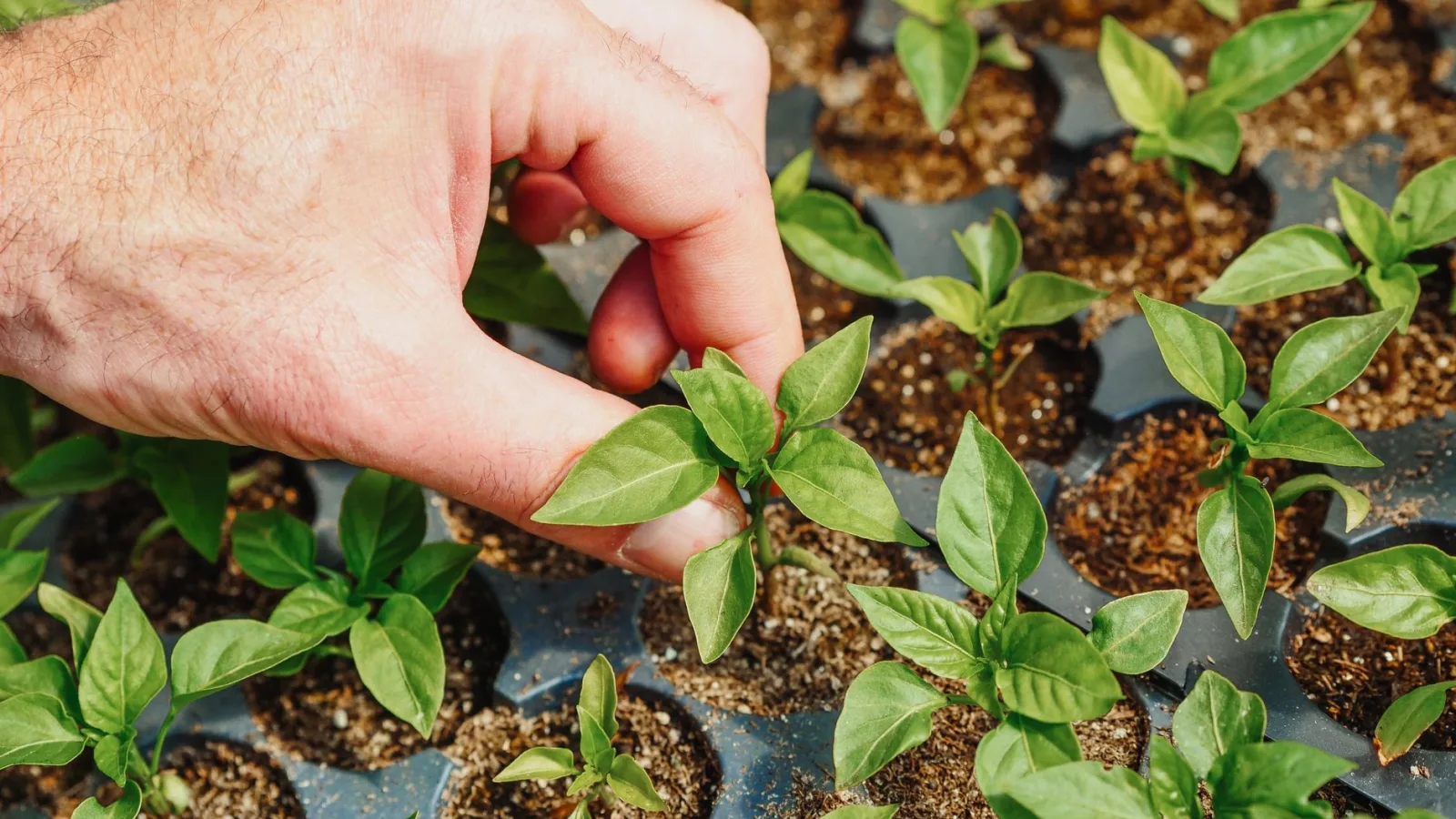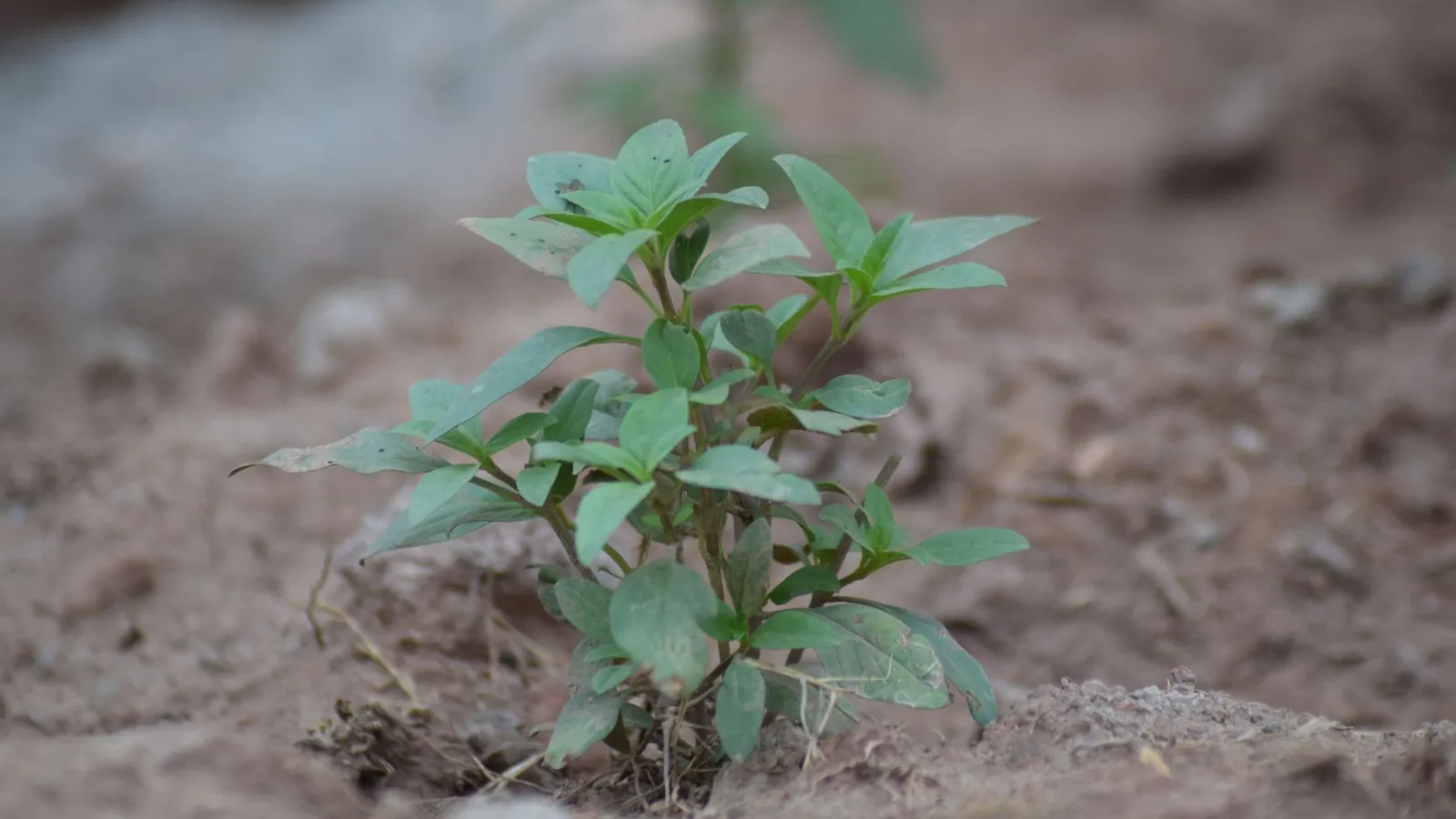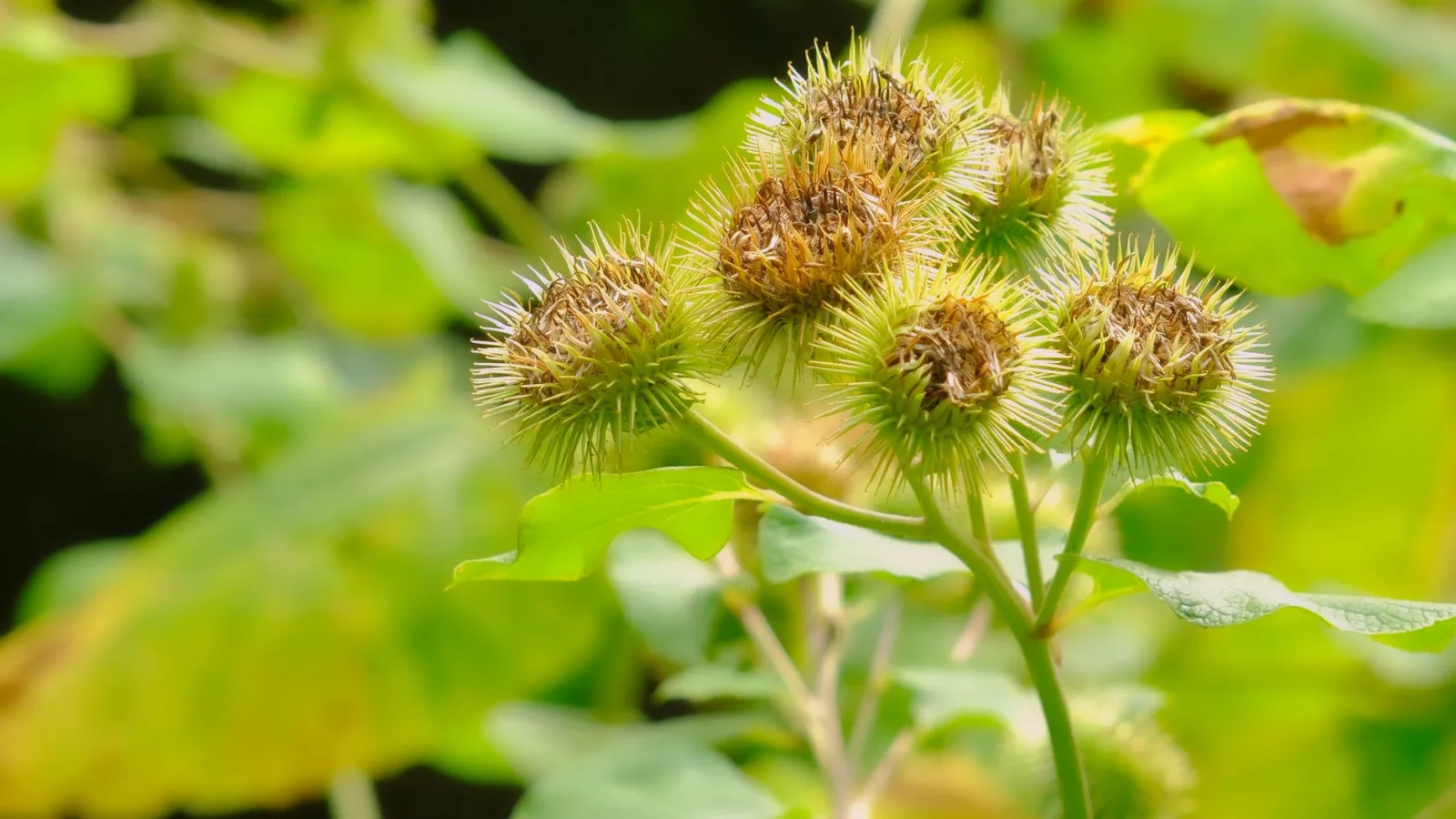
First week of September, and I'm tucking thistle seed into the edge of the bed. The plants I left standing after picking their young leaves last spring sent up purple flowers and then set seed. In the Northern Hemisphere, the sowing months are March–April and September; the young leaves come in April–June. The window for eating is short — before the spines toughen, while a leaf is still about the size of your palm. Thistle is a perennial in the aster family that grows along roadsides and embankments across East Asia, Korea, Japan, and China included.
The Donguibogam Wrote It as 大薊
In the herb section (草部) of the Donguibogam, the seventeenth-century Korean medical compendium, thistle appears under the name daegye (大薊). The text calls it neutral in nature, bitter in taste, and free of toxicity, and notes that it grows just about anywhere. Its old Korean name was hanggasae. Harvest times are split by part: gather shoots and leaves in the fifth lunar month (roughly June), and dig the roots in the ninth lunar month (roughly October), drying them in the shade. It also records 刺薊 as an alternate name. You can read the original passage and a translation in the Donguibogam entry for daegye. This is a record from an old medical text, and it differs from modern medical judgment.
The instruction to take leaves and roots in different months still holds up in a backyard bed. Pick the leaves while they're tender; dig the roots after the foliage dies back. Aster-family plants store inulin in their roots, so the roots thicken through late fall.
The Passage That Splits 大薊 from 小薊
The same entry sets daegye and sogye (小薊) side by side and tells them apart by looks. Daegye stands three or four ja tall (about 90–120 cm) with wrinkled leaves; sogye barely reaches one ja (about 30 cm), and its leaves aren't wrinkled. Sogye carries the old Korean name jobangga — today's jobaengi, the creeping field thistle. The two are easy to confuse out in the garden, so check leaf surface and plant height together.
The entry keeps a note on names as well. Jijeong (地丁) is daegye, it says; the yellow-flowered kind was called hwanghwa-jijeong (黃花地丁) and the purple-flowered kind jahwa-jijeong (紫花地丁). Today, though, those names have settled onto entirely different plants: 黃花地丁 means dandelion, and 紫花地丁 means violet. The same characters ended up attached to other species. Lay an old name directly over a modern plant and you'll find places where the two don't line up.
Held Up Against Modern Analysis
Studies of the chemistry of Cirsium species single out pectolinarin and pectolinarigenin as the main flavonoids. They also report that the amounts vary widely by plant part and by when the plant is harvested — worth reading alongside an old record that splits leaf and root harvests into separate months. That said, this kind of analysis concerns composition only; it has nothing to do with preventing or treating disease.
The rest of what's in there is common across the aster family.
- Luteolin and apigenin glycosides — flavonoids found throughout the aster family.
- Inulin — the polysaccharide stored in aster-family roots.
- Dietary fiber — the reason the midribs and leafstalks stay so tough.
Where the old record and modern analysis meet is taste. Flavonoids are bitter, and that bitterness is exactly why the cooking method has carried down: blanch the leaves, soak the bitterness out, then dress them with doenjang, Korea's fermented soybean paste. There are places the two don't meet. The uses an old herbal records were judgments of their own era, and chemical analysis tells you only what's present and how much.
Sow Now, Blanch and Eat in Spring
It grows just about anywhere, as the old text put it — this plant isn't fussy about where it sits. Leave roughly 30 cm clear along the edge of the bed and sow there, then save seed each year and add it back to the same spot. The part you eat is the young leaves, before the spines harden. Blanch what you pick in boiling water, rinse it in cold water, and squeeze out the moisture.
Dressed with doenjang and perilla oil, the bitterness settles right down. Go light on the garlic, or you'll lose the leaf's own scent. Ground perilla seed and a pot of soup works well too. For soup, stir doenjang into the cloudy water left from rinsing rice and add the blanched leaves at the very end. Boil them too long and the leaves go slack while the bitterness leaches into the broth. Once the pot has come to a boil, ladle out only what you'll eat that day and reheat that much.
If you've picked more than you can use at once, blanch it and dry it. Rehydrated, boiled, then stir-fried, the dried leaves become a winter side dish. Gondre — dried Korean thistle — follows exactly the same sequence.
Today's job is a single one. Set a marker where you buried the seed, and come spring, pick from that spot only the leaves that haven't yet toughened into spines. Sowing and harvest months are laid out as a calendar in the thistle field guide.