Some evenings, while you're setting the table, an empty snack wrapper turns up in your child's backpack, a souvenir of something bought after school. The scene isn't unique to Korea. Around city schools in Ethiopia, in East Africa, researchers found much the same thing. Adolescence is when eating habits take root, and the patterns formed in those years tend to follow us into adulthood.
What's Inside the Wrapper
Ultra-processed foods are products that go through several stages of industrial processing. They contain additives such as preservatives, colorings, flavor enhancers, and emulsifiers, and their original ingredients are barely recognizable. Most packaged snacks, sugary drinks, and ready-to-eat meals fall into this category.
For a qualitative study published in 2026 in the international journal BMC Nutrition, researchers conducted in-depth interviews with 15 middle and high school students, ages 13 to 19, in the Ethiopian city of Adama. They asked about the students' eating behaviors, consumption patterns, and exposure to marketing. The students had mixed feelings about these foods. On the plus side, they said the packaging seemed clean and trustworthy, the prices were low, and the food was ready to eat, which saved time. At the same time, they pointed to the high sugar and fat content, worried about artificial additives, and suspected that eating these foods over the long run could hurt their health. Two very different views of the same food sat side by side.
Why They Keep Reaching for It
Taste and convenience were the reasons students mentioned most often for choosing ultra-processed foods. The products were easy to find near school, and they were cheap. Many students also ate them simply because their friends or family did. Other reasons included the feeling of a quick energy boost, a sense of fullness, and how easy the snacks were to carry around.
Marketing played a part, too. TV commercials, eye-catching packaging, and brand image made these foods more familiar and more tempting to buy. A few students were skeptical of advertising's exaggerated claims, but most said branded packaging felt like a guarantee of quality. Some also believed that factory-made food was more hygienic than food prepared at home. And as rapid urbanization brings a growing supply of convenience foods, teens simply encounter them far more often than before.
Knowing Better, Eating Anyway
The students were not unaware of the health risks. Without prompting, they brought up tooth decay, weight gain, chronic disease, the addictive pull of these foods, and the dangers of eating expired products. Yet when convenience and taste were on the table, their actual choices went the other way. This gap came up again and again throughout the interviews.
The students also offered solutions of their own: check the expiration date before eating packaged food, eat whole foods and home-cooked meals more often, and push the government to regulate marketing more strictly. Even when we know better, our surroundings shape what we choose. When these foods are sold on every corner, when friends are eating them, and when the ads never stop, willpower alone isn't enough. Before we put everything on the individual, the environment has to change first. The students said as much themselves.
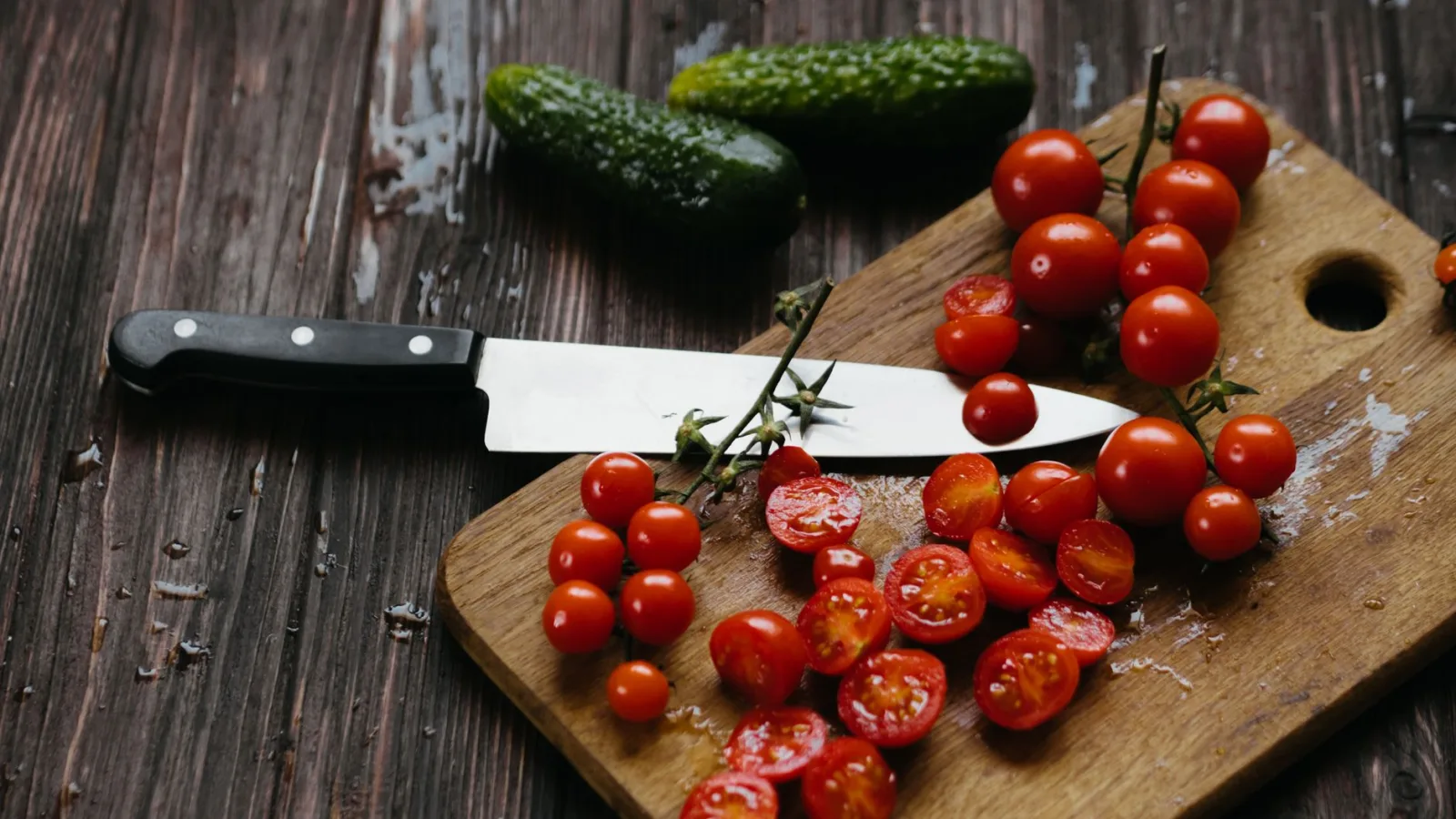
Bringing vegetables you've grown yourself to the table gives children another way to judge what they eat. If a child can say, "We planted this," that is a far more direct lesson than any explanation of what's inside a wrapper. It doesn't have to be anything grand. Today, pick a cherry tomato or a cucumber from the garden and place it in your child's hand.