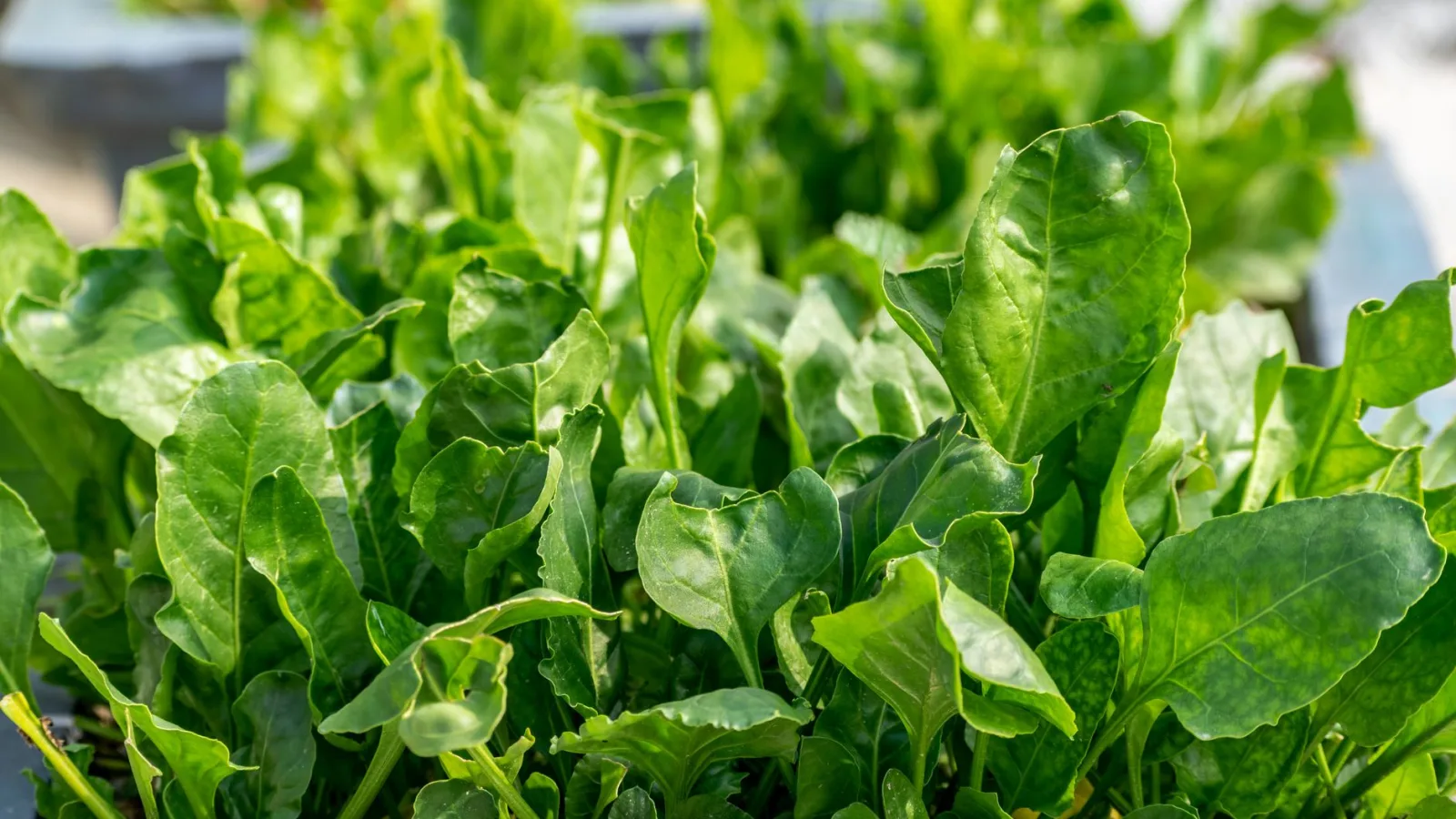
Winter and early spring are when spinach is at its sweetest and sturdiest. Drop a handful fresh from the garden into boiling water, and the water turns green almost at once. The blanched leaves get gently tossed by hand with a little sesame oil for a simple Korean side dish, and the cooking water usually goes straight down the drain. That habit makes sense: a good share of the oxalate in spinach dissolves into that water.
The Oxalate Hiding in Spinach
Spinach is a leafy green rich in iron, folate, beta-carotene, and lutein, so it's no surprise it shows up so often on the winter table. It does, however, contain more oxalate (oxalic acid) than most other leafy greens. In the body, oxalate binds with calcium and slightly reduces how much calcium you absorb. It can also be a concern for people who are prone to kidney stones. That's why spinach is usually better lightly blanched than eaten raw in large amounts, since blanching draws out the oxalate that dissolves in water.
What Blanching Already Does
The water-soluble forms of oxalate leach out in large amounts with nothing more than blanching or soaking. In one study, simply soaking spinach leaves in water cut their oxalate by about 40%. A quick dip in boiling water removes even more. So after blanching, always pour out the cooking water. There's no reason to put the oxalate you just removed back into a soup or broth.
What a Brief Electric Pulse Can Do
In 2026, a food chemistry journal published a study on a way to cut spinach oxalate even further. The researchers exposed spinach leaves to a pulsed electric field (PEF, a series of extremely short electrical pulses) for a few seconds, then soaked them in water. Oxalate fell by roughly 60–65%, depending on the variety. That is a clearly bigger drop than the roughly 40% from soaking alone. The brief pulses appear to open tiny pores in the leaf cell membranes, which lets the oxalate inside escape into the water more easily. Both varieties tested showed the effect. Meanwhile, the leaves' firmness, phenolic compounds, and antioxidant capacity stayed almost the same. In other words, the treatment removed oxalate while keeping the flavor and nutrition intact. That said, the method is still being tested in the lab and isn't yet something home cooks can use.
What You Can Do in Your Own Kitchen
You probably don't have an electric field generator at home, but good blanching technique alone goes a long way toward reducing oxalate. Try these steps the next time you make spinach:
- Bring a big pot of water to a boil and blanch the spinach for just 30 seconds to 1 minute.
- Rinse it right away in cold water and gently squeeze out the excess.
- Throw out the blanching water instead of using it for soup or stock.
- If oxalate is a concern, serve spinach with calcium-rich foods like milk or yogurt.
When oxalate binds with calcium in the gut first, less of it gets absorbed into the body. Drinking plenty of water also helps lower the risk of kidney stones. So the next time you blanch spinach, start by pouring that cooking water out without a second thought. That one small step lets you enjoy winter spinach with far more peace of mind.