In midsummer, rooftop garden soil is bone-dry by 10 a.m. You give the beds a good soak in the morning, only to find them parched again by noon. Some days you skip watering because the sky looks overcast, and the leaves wilt. Other days you water out of habit even though it's raining, and the roots start to rot. When to water, how much, and what to grow on this particular rooftop right now: even gardeners with many seasons behind them face these questions fresh every time.
Recently, a research team set up a system on a rooftop to see if it could take some of the guesswork out. It combines a handful of inexpensive sensors, a rainwater tank, an automatic watering system, and a small program that recommends what to plant.
Sensors Read the Rooftop
At the heart of the system are sensors that track conditions in the soil and the air. They continuously measure soil moisture, pH, temperature, humidity, and rainfall. It's hard to tell by eye whether soil is dry only on the surface or all the way down, but a moisture sensor puts a number on how much water is available at root depth. The pH reading is especially useful, since crops like lettuce and napa cabbage each have their own preferences when it comes to soil.
- Soil moisture: tells you when it's time to water
- pH: confirms the soil suits your crop
- Temperature and humidity: flag weather that invites disease
- Rainfall: tracks how much rainwater has been collected
Harvesting Rain, Watering Only When Needed
Those readings feed directly into watering. Rain is captured in a tank, and the stored water is released only when the sensors confirm the soil has actually dried out. Instead of watering on a fixed schedule no matter what, the system responds to the condition of the soil. In the team's trials, this approach pushed irrigation efficiency as high as 95%. By putting otherwise wasted rainwater to use and cutting out unnecessary watering, it saved tap water and reduced root rot at the same time.
Picking the Right Crops for Your Rooftop
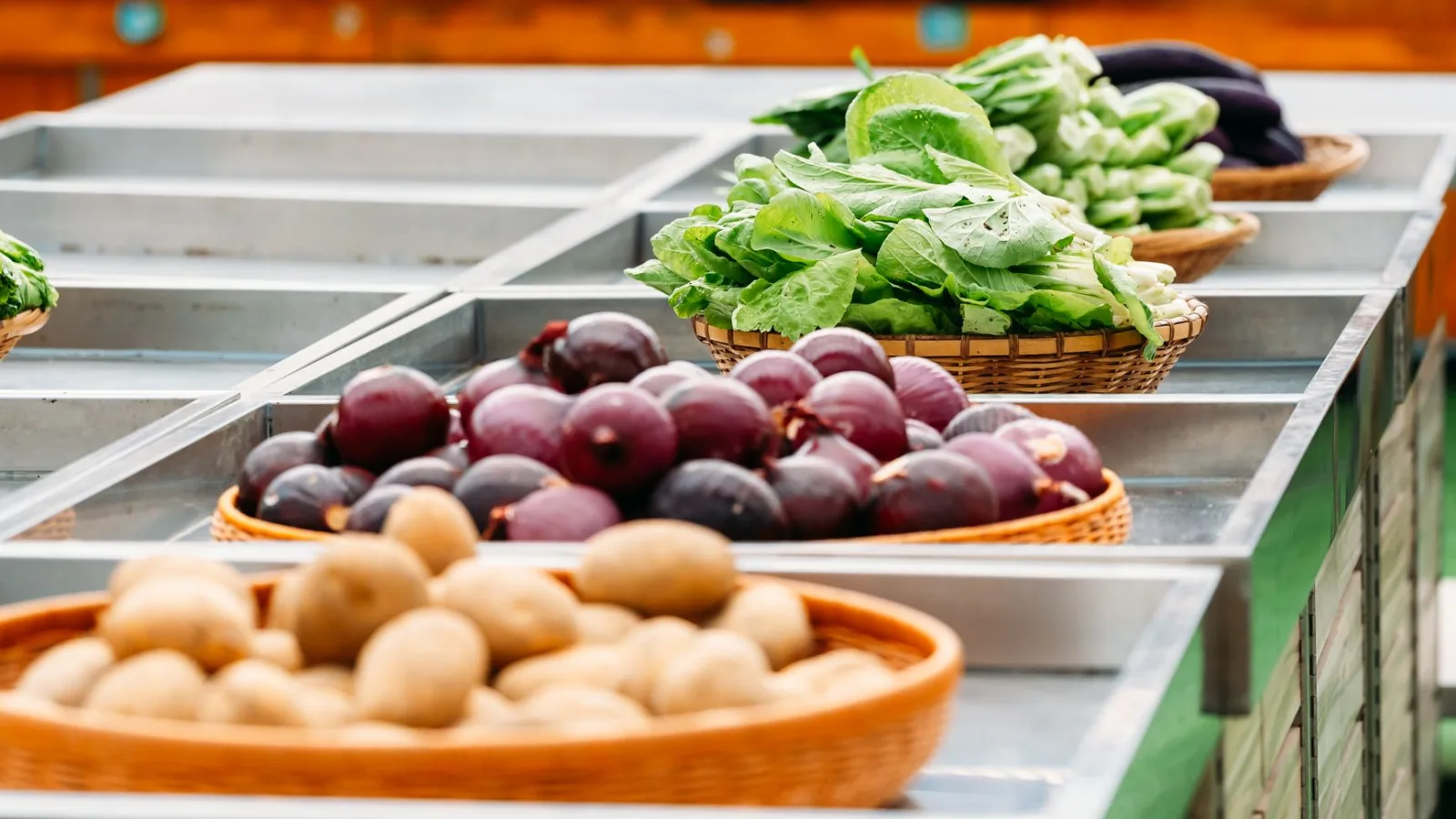
The sensor data is analyzed with a machine-learning method called Random Forest, which pools the verdicts of many separate decision paths and goes with the majority. The program first gauges whether it's a good time to sow, then ranks the crops best suited to the rooftop's temperature and humidity. On a rooftop with strong sun and fast-drying soil, for example, heat-tolerant crops rise to the top of the list. Results appear side by side on a web dashboard called GrowGreen: live conditions, watering alerts, and a ranked list of recommended crops. In testing, the recommendations reached 92% prediction accuracy, showing the system is reliable enough for real-world rooftops.
The system is still at the research stage, and because every rooftop gets different sun and wind, it's too early to copy it as-is. But the ideas behind it, checking the soil before you water and putting rainwater to use, are ones you can bring to your own garden today with no equipment at all. Before watering, push a finger about two knuckles deep into the soil to see whether it's dry below the surface. And setting a large container under the eaves to catch rain is worth trying right away this jangma, Korea's summer monsoon season.