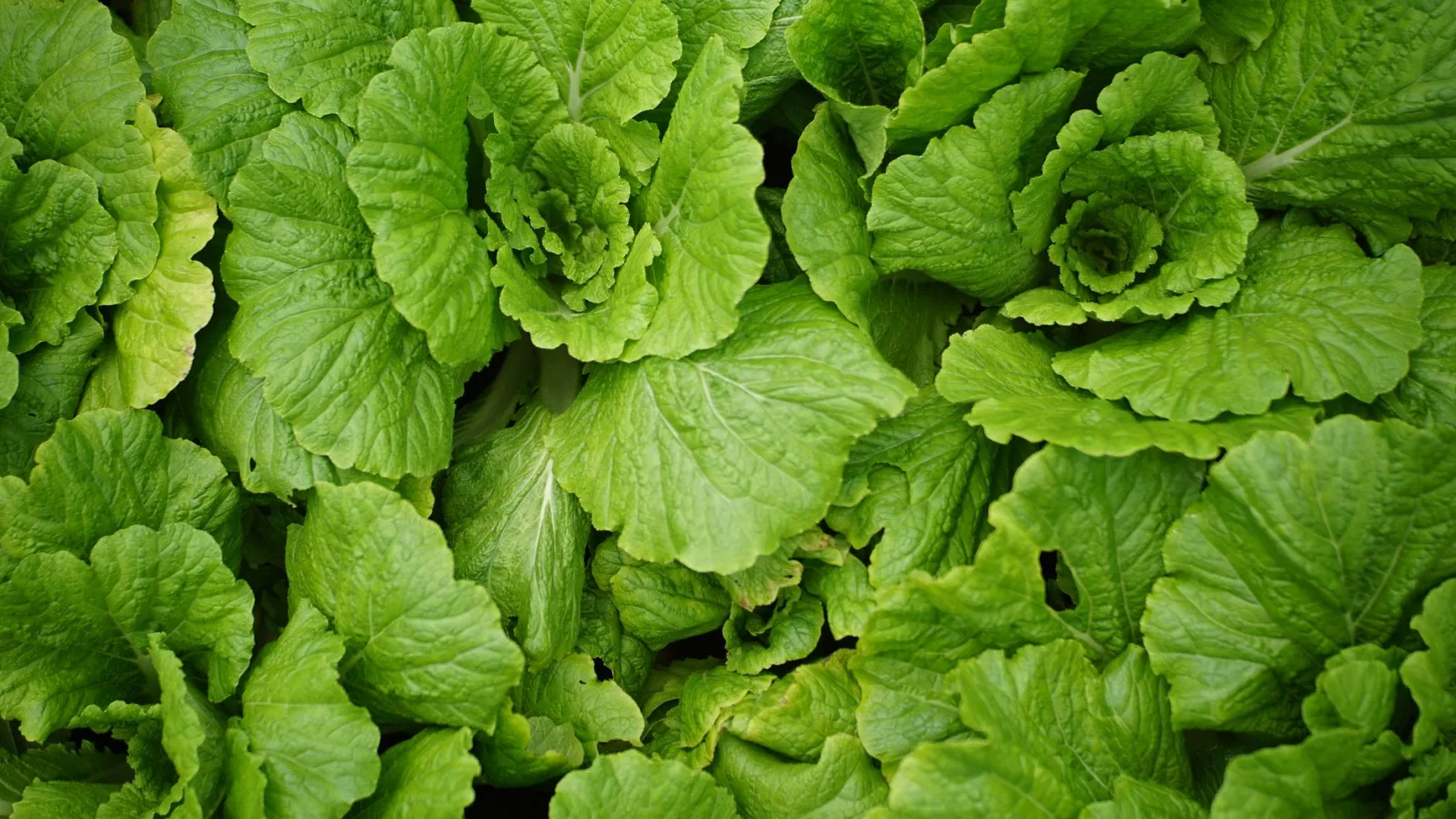
Transplant napa cabbage seedlings, and crabgrass is usually the first thing to sprout between the rows. In a small backyard plot, a few scrapes with a homi (the Korean hand hoe) take care of it. Big fields are a different story. Farmers there reach for herbicides, and one of the longest-used ingredients is 2,4-D.
A Weedkiller That Targets Only Broadleaf Weeds
2,4-D is short for 2,4-dichlorophenoxyacetic acid. It withers broadleaf weeds but spares narrow-leaved plants like rice and turfgrass. That is why it has been a staple on farmland and lawns for decades. It's also used to regulate crop growth.
The amounts left behind in the environment are usually very small. Its reported effects on people vary with the level of exposure, so each country sets its own maximum residue limits, crop by crop. Checking how much remains in water and produce therefore matters for both human health and the environment. The catch is that the smaller the amount, the harder it is to measure. Precision lab instruments need a lot of sample preparation, and they aren't practical to use in the field or at the market.
Measuring Trace Amounts With a Stretched-Thin Optical Fiber
A research team drew the tip of an optical fiber out until it was very thin, then coated its surface with gold nanoparticles. When light travels through the fiber, an effect called localized surface plasmon resonance (LSPR) makes the fiber absorb light at one particular wavelength especially strongly. If anything changes near the surface, that wavelength shifts too.
The researchers then added layers of molybdenum disulfide nanosheets and zinc oxide nanowires. These layers increase the surface area that touches the sample. On top, they added an enzyme called alkaline phosphatase (ALP). When 2,4-D is present, it slows the enzyme's ability to break down its target compound. The more the enzyme is slowed, the more the refractive index changes around the sensor's surface. The researchers measure how far the wavelength shifts and convert that into a concentration. With this method, they detected 2,4-D at levels as low as 0.29 milligrams per liter.
Putting It to the Test With Apples and Cabbage
The team added known amounts of 2,4-D to apple juice and napa cabbage juice, then measured both with the sensor. With apples, the sensor recovered 96 to 100 percent of what was added, so the error was small. The cabbage results varied more. That is likely because cabbage heads are built from many layers of leaves, and their juice carries more of other compounds.
Keep in mind that this sensor has only been tested in the lab. The researchers checked how well it picks out the target compound and how consistent it is over repeated measurements. It is not a test kit you can use at home. For now, it's fair to assume there's no way to measure pesticide residues in your own kitchen.
What You Can Do in Your Garden Today
A home garden is small enough that you can keep weeds under control without herbicides. As you check on your beds today, try these steps too.
- Scrape between the rows with your homi, then mulch with straw or fallen leaves. The soil stays moist and fewer weeds come up.
- On days when a neighboring plot is being sprayed, check which way the wind is blowing. Cover leafy greens you eat fresh, like lettuce and spinach, with row cover.
- For store-bought napa cabbage, pull off the two or three outer leaves. If you eat apples with the skin on, rub them under running water first.
The beauty of growing your own vegetables is that you know exactly what went on them and when. Before you set out napa cabbage seedlings this summer, pick up a bale of straw to mulch your rows.
Source · A paper published in the journal Nanomaterials, 2026