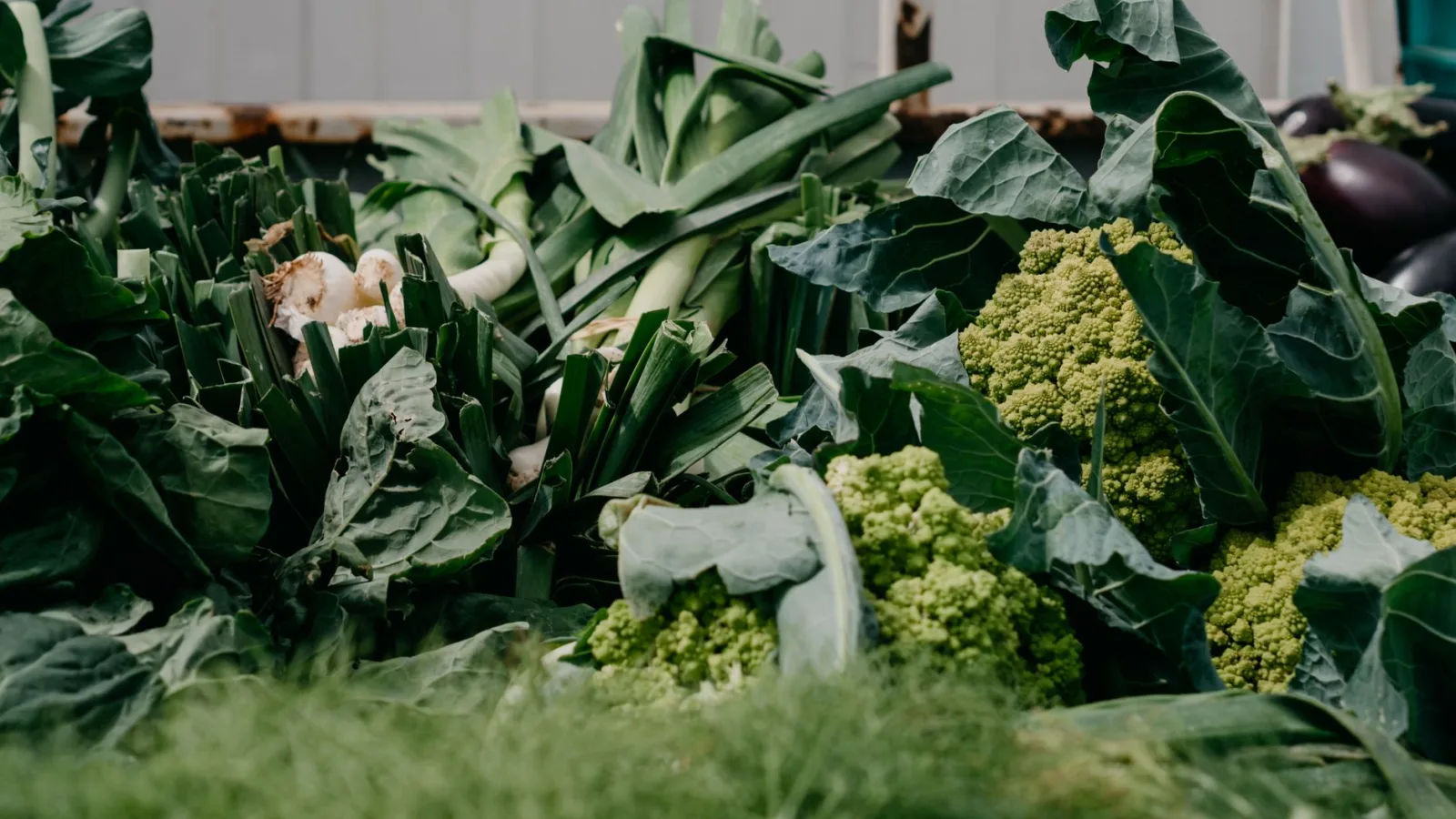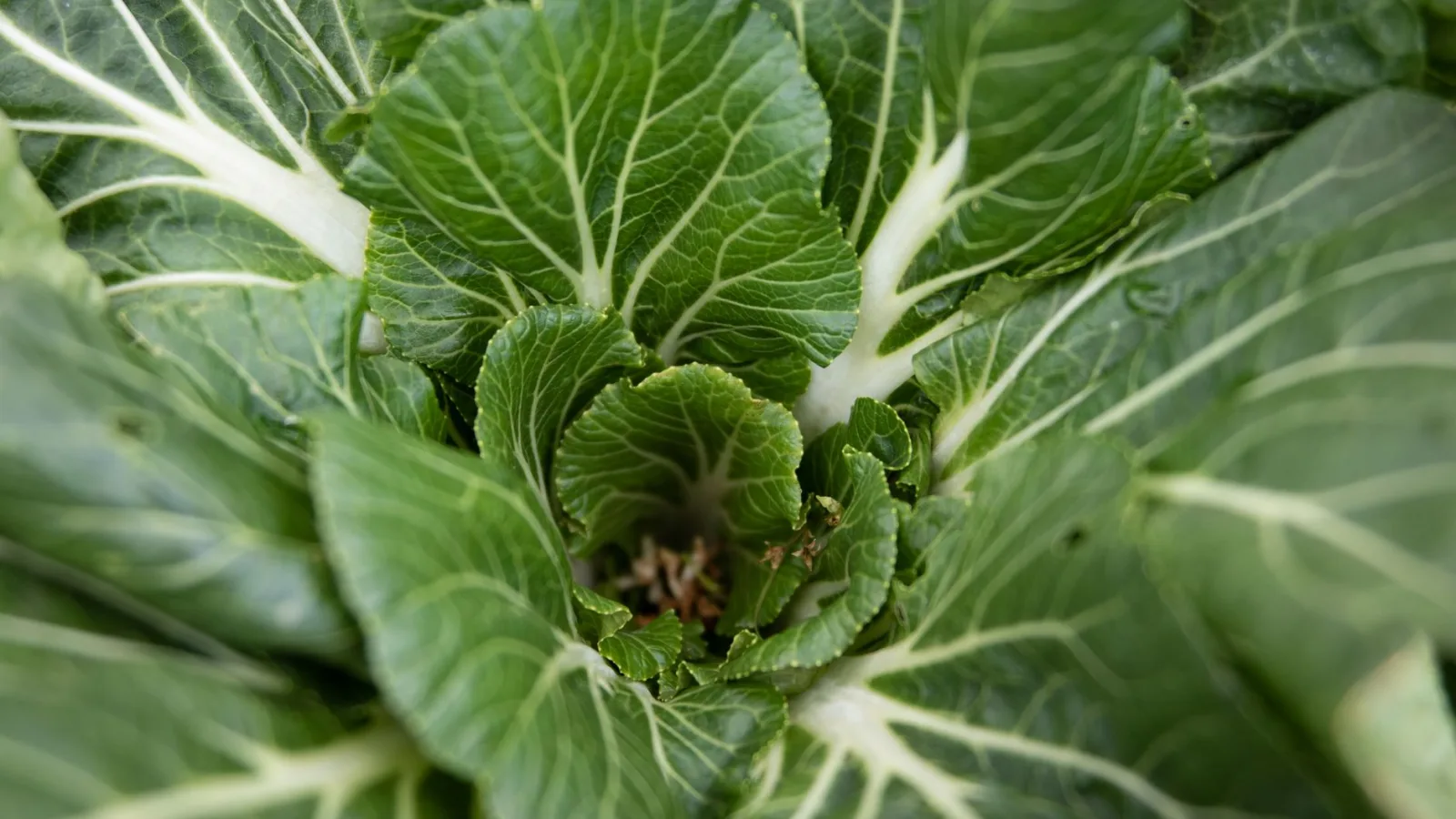
In the Northern Hemisphere, late August is when napa cabbage seedlings get transplanted into the garden. Napa cabbage is a cool-weather crop that grows best at around 18–20°C. Plant it after summer's heat breaks and let it mature in the crisp fall air, and the heads fill out with thick, sturdy leaves. Salt the harvest, toss it with gochugaru (Korean chili flakes) and garlic, and you have kimchi: vegetables salted and fermented so they keep.
The Bacteria Behind the Ferment
Salted cabbage already carries a mix of microbes on its surface. As the salt concentration climbs and oxygen runs low, only the lactic acid bacteria hang on, and their numbers grow. They convert the sugars in the vegetables into lactic acid, which is what turns the brine sour. In that increasingly acidic brine, spoilage microbes have a hard time multiplying. That's why kimchi keeps for so long.
One research team isolated lactic acid bacteria from kimchi and singled out three strains with especially promising traits:
- Levilactobacillus brevis
- Leuconostoc lactis
- Weissella cibaria
Leuconostoc and Weissella are the names you see most in the early days, when kimchi is just starting to ferment, while L. brevis sticks around well after the sourness sets in. So what do these bacteria do once they're inside us?
Slowing the Post-Meal Blood Sugar Rise
The starch in rice or bread can't be absorbed as is. First, alpha-amylase (α-amylase) from the saliva and pancreas chops starch into shorter pieces. Then alpha-glucosidase (α-glucosidase) in the wall of the small intestine breaks those pieces down into glucose, and only then does it enter the body. When these two enzymes work more slowly, blood sugar climbs more gently after a meal.
Of the three strains, L. brevis inhibited both enzymes the most. In the test tube, alpha-glucosidase activity dropped by about 72% and alpha-amylase activity by about 64%. Keep in mind, though, that these figures come from mixing the bacterial culture directly with the enzymes. It's too early to say the same effect would show up when a person eats kimchi. The fairer reading is that this strain shows potential to help manage post-meal blood sugar, and that's an early step, not a conclusion.
Can They Survive Stomach Acid and Bile?
To be called a probiotic, a bacterium has to reach the gut alive. The stomach is highly acidic, around pH 2, and once bacteria pass into the small intestine, bile acids damage their cell membranes. In the experiments, more than half of the L. brevis and W. cibaria cells survived after being held at pH 2.0 and then transferred out, and in a 0.6% bile acid environment, none of the three strains declined significantly. L. brevis also showed the strongest tendency to clump together and to stick to intestinal cells.
On the antioxidant front, L. brevis had the highest polyphenol content, at 4.20 mg per gram, and also scored high on two tests measuring how well it neutralizes compounds that cause oxidation. None of the three strains ruptured red blood cells, and none showed resistance to commonly used antibiotics. Those are the first safety boxes researchers check when screening probiotic candidates. Still, this work is at the test-tube and cell-culture stage, and how much these strains actually help people remains to be confirmed.
Making Kimchi with Your Fall Cabbage
If you're making kimchi from cabbage you grew yourself, start by paying attention to fermentation temperature. Left at room temperature too long, the bacteria that make it sour take over quickly and microbial diversity drops. Let freshly mixed kimchi sit at room temperature for about a day to get fermentation going, then move it to 4–10°C to ripen slowly. That keeps lactic acid bacteria counts up for longer.
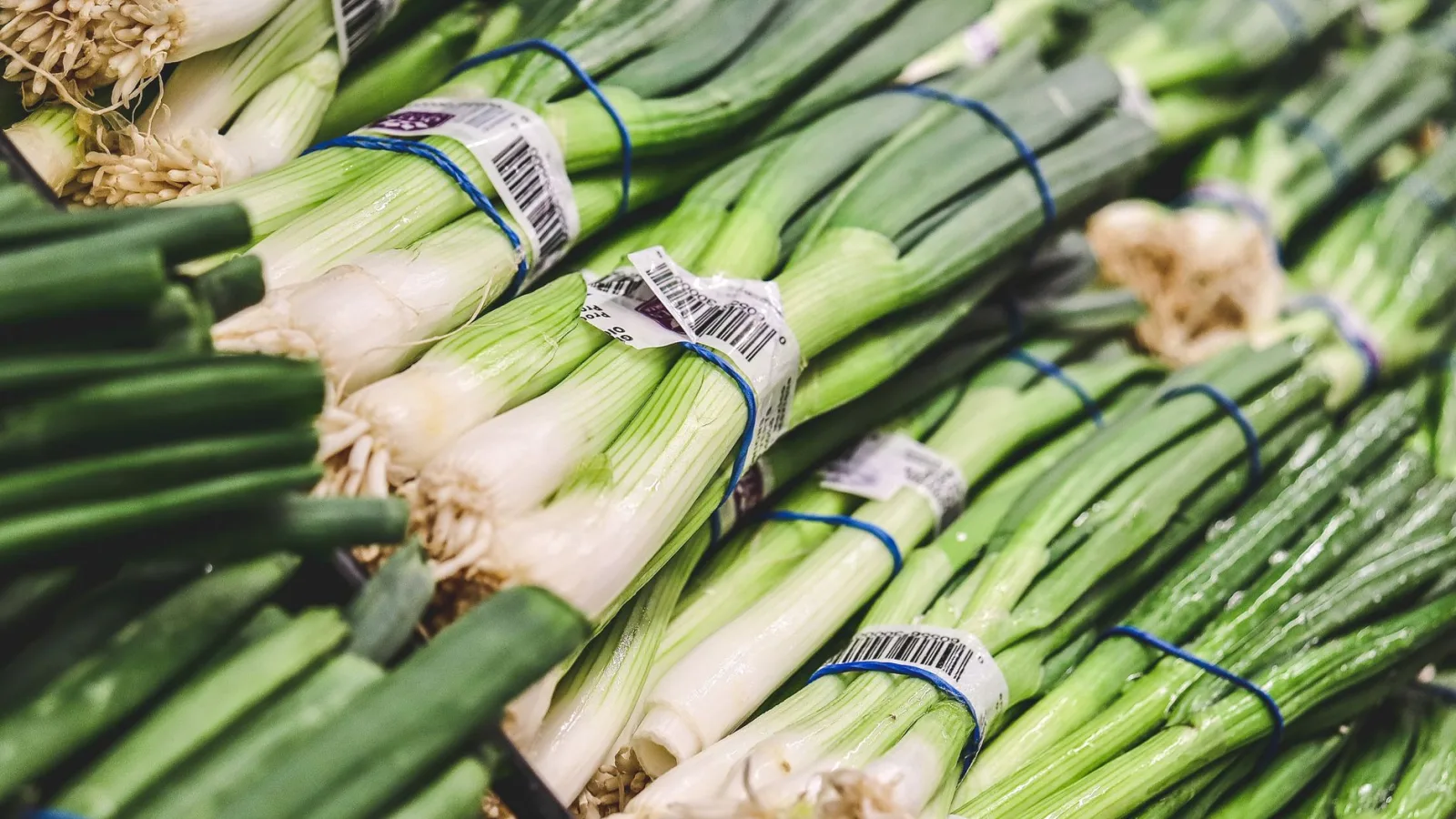
Think about what goes in alongside the cabbage, too. Green onions, gat (Korean mustard greens), and mu (Korean radish) ferment along with the cabbage, adding sugars and aroma to the brine. Once the kimchi is ripe, enjoy about one small plate a day rather than a lot at once, since you're also taking in the salt used to cure it.
Today, as you water your cabbage seedlings, take a moment to decide where those leaves will ferment two months from now. A shelf in a kimchi refrigerator (a dedicated fridge common in Korean homes) or a storeroom out of the sun will do. Any spot that holds a steady temperature works.
Source: A study on the probiotic potential of lactic acid bacteria isolated from kimchi, published in the journal Antonie van Leeuwenhoek