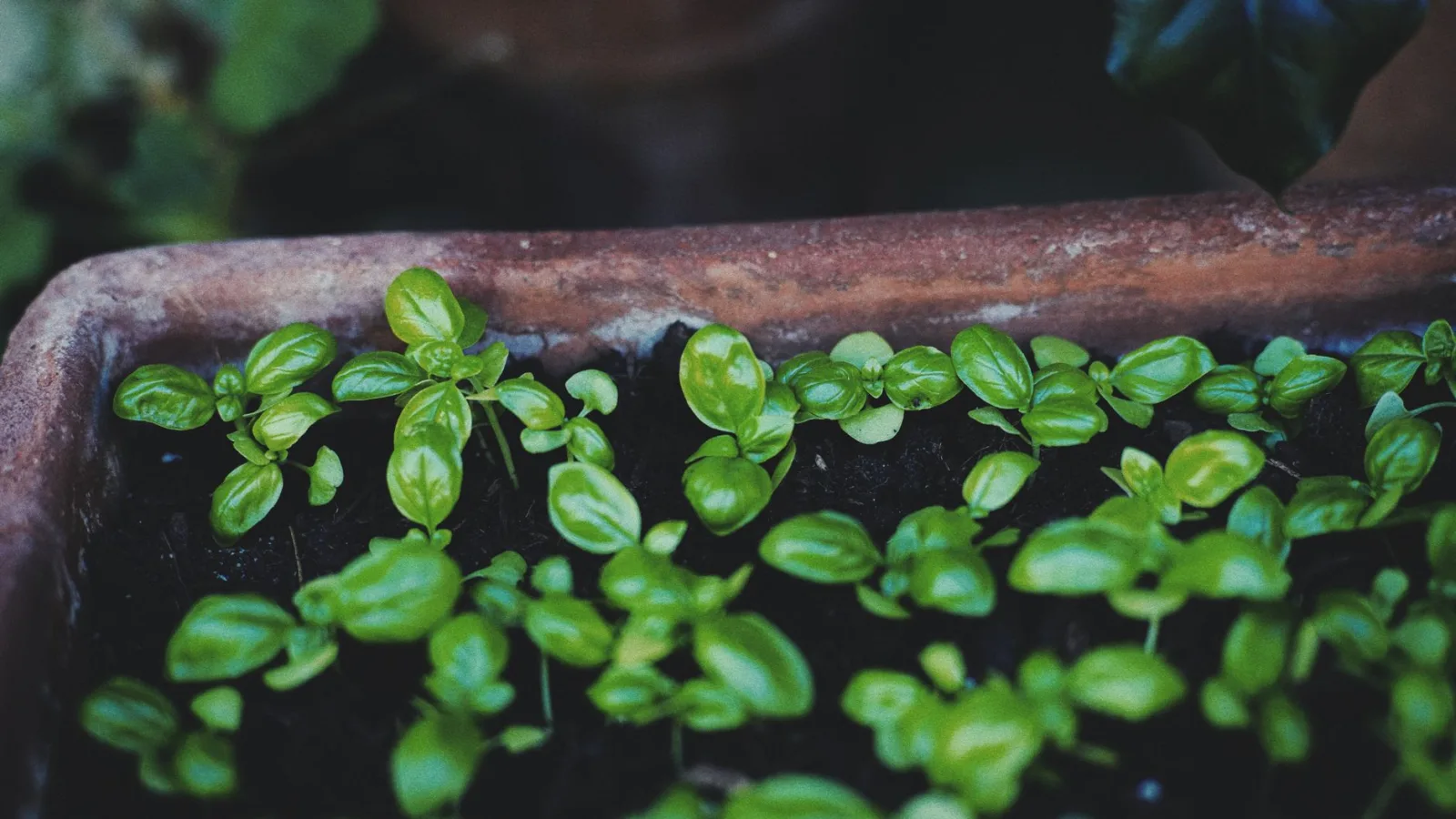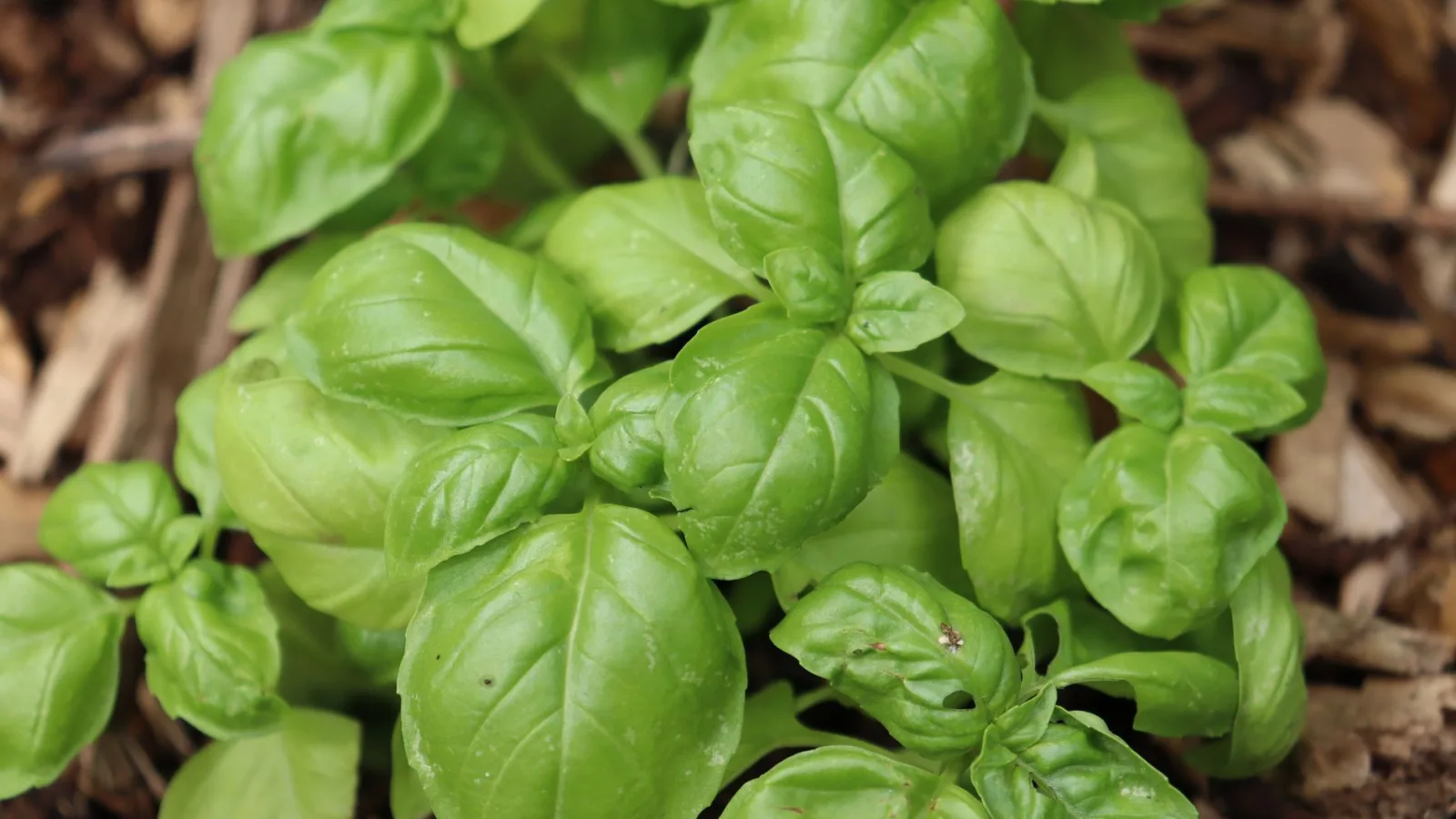
Chances are you've torn a few basil leaves over a bowl of pasta or a caprese salad on a weekend evening. Basil picked fresh from a balcony pot has an aroma that's unusually deep, and the bright, green scent lingers on your fingers long after you've run them over the leaves. In summer the plant shoots up so fast that no matter how much you harvest, there's always more — a generous herb. Recently this familiar plant was put to the test in a laboratory, against human colon cancer cells. Researchers used an alcohol extract of basil grown in southeastern Oman.
What's Inside a Basil Leaf
Basil leaves carry a well-rounded mix of plant compounds: rosmarinic acid, luteolin, rutin. When the researchers analyzed their basil extract, caffeoylquinic acids turned out to be the most abundant, followed by rosmarinic acid, rutin, and luteolin. These compounds are best known for their antioxidant activity — they're thought to help reduce the substances that damage cells in the body. They're also the source of basil's signature perfume and its faint bitter edge. And they're why the same variety of basil smells so much more intense when it's grown in plenty of sun.
What Changed in the Lab
The researchers added the extract to human colon cancer cells and watched how the cells responded. The higher the concentration, the smaller the share of cancer cells that survived. At a low dose, cell viability was 87.7%; at four times that concentration, it fell to 32.4%. The cells' ability to spread sideways and to stick to surfaces dropped as well. That second finding caught the researchers' attention, because those movements are tied to how the disease spreads through the body.
That said, all of this happened in cells in a culture dish. It doesn't mean a person eating basil would see the same effect. An extract is also far more concentrated than the leaves you'd eat straight off the plant. So it's much too early to say basil protects against cancer. The right way to read it: something promising showed up at the cellular level, and it's worth a closer look.
Basil at the Table
Research aside, basil is simply a great herb to keep in regular rotation. Pick a few leaves for a salad, or toss them with tomato, mozzarella, and olive oil. On pasta or pizza, the aroma comes through even stronger. Whole leaves keep their fragrance intact; finely chopped, they melt more smoothly into a sauce. Long cooking drives the scent off, so add basil just before you kill the heat, or scatter it over the dish once it's plated.
It's easy to grow, too. One pot on a sunny windowsill will keep you in leaves all summer. The more often you pinch off the side shoots, the bushier the plant gets, so harvest freely and cook with it. Once flower stalks appear the leaves turn tough, so snip the stalks early and you'll enjoy tender leaves for much longer.
Keeping fragrant basil within reach has a way of nudging you toward more vegetables in general. Tonight, try laying a few leaves over your pasta or salad.
Reference: a study of an Omani basil extract tested on colon cancer cells, published in the Open Veterinary Journal