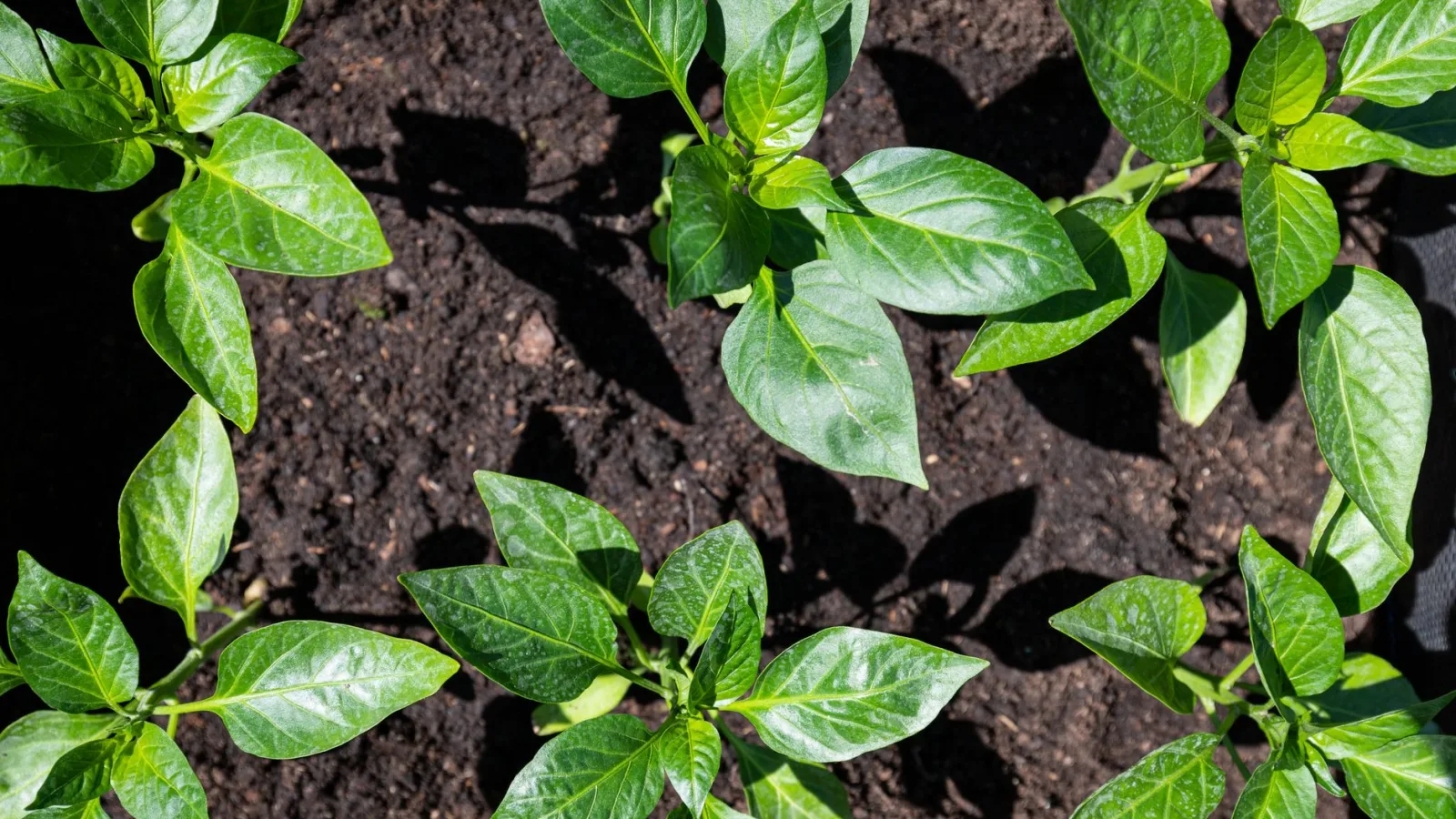
In midsummer, a pot of basil on the balcony fills back in within just a few days. Pinch off the tips and the plant sends out side shoots, which means even more leaves. Once you're picking a handful every morning to scatter over salads and pasta, sooner or later you end up searching for an answer: is it really okay to eat this much basil every day?
That depends on the form you're eating it in. Fresh leaves in your food and a concentrated essential-oil supplement may come from the same plant, but the amount of active compounds they deliver is very different. And if you take a blood thinner, there's one more thing to consider.
What's in a Handful of Leaves
Basil (Ocimum basilicum) is grown widely in India, Egypt, Indonesia, Thailand, and Italy. In the Northern Hemisphere, seeds sown in May will give you leaves to harvest from June through October. The leaves get their fragrance from essential oils, mainly linalool and eugenol. They also contain rosmarinic acid, and several compositional analyses have confirmed these compounds. Alongside them are beta-carotene, a type of carotenoid, and fat-soluble vitamin K.
If you came looking for health benefits, the news is a bit disappointing. Test-tube and animal studies have reported antioxidant markers, and lab results show basil essential oil inhibiting the growth of various bacteria and fungi. But those antimicrobial experiments added concentrated oil directly to a culture medium (the nutrient material used to grow microbes). Studies on what actually changes when people eat basil in ordinary cooking amounts are still scarce. For now, what we can say ends at what the leaves contain. Given how thin the evidence on benefits is, it makes more sense to start with the compounds that call for caution when deciding how much to eat.
On a Blood Thinner? Keep Your Intake Steady
Basil leaves are rich in vitamin K. Vitamin K plays a role in blood clotting (coagulation), and anticoagulants like warfarin work by slowing that process. So if the amount of vitamin K you eat swings widely from day to day, the drug's effect can shift too. The Homiclub Crop Guide also notes that some compounds in basil's essential oil may affect platelet aggregation. That's the process in which platelets, the blood cells that help stop bleeding, clump together.
Rather than cutting basil out, the guide recommends eating it consistently. People on anticoagulants should avoid eating large amounts and keep the amount they eat about the same from day to day. The trouble comes with big swings, like making a whole jar of pesto over the weekend, finishing it, and then eating none at all the following week. If you take one of these medications, let your doctor or pharmacist know ahead of time that basil is a regular part of your diet.
Essential-Oil Supplements Are a Separate Matter
Basil essential oil contains estragole, also known as methyl chavicol. Animal studies have raised concerns that taking this oil as a high-dose supplement over a long period could strain the liver or even cause cancer. Even so, the guide considers the amounts eaten in food to be within a safe range and recommends enjoying basil as fresh leaves or tea.
The difference comes down to concentration. An essential oil is made by extracting only the aromatic compounds from the leaves and concentrating them, so you'd have to eat far more fresh leaves to match what's in a single capsule. And because the antimicrobial results mentioned earlier came from culture dishes, they make a weak case for taking essential-oil capsules.
If a supplement label says tulsi or holy basil, that's a different species (Ocimum tenuiflorum). The many clinical studies reported from India also looked at extracts of this species, so their findings don't carry over to the sweet basil in your pot. If you're considering a supplement, start by checking the label for the species name and the essential-oil content.
If You Eat It Every Day, Here's How
If you don't take a blood thinner and you're simply adding leaves from your pot to meals, most of the cautions above don't apply to you. All that's left is to eat it in a way that keeps more of its aroma and nutrients intact.
- Turn off the heat first. Long cooking drives off the essential oils and dulls the fragrance, so add the leaves to pasta or pizza once it's done cooking.
- Pair it with olive oil. The classic example is pesto genovese, made by grinding basil with olive oil, pine nuts, and garlic. Beta-carotene and vitamin K are fat-soluble, so your body absorbs them better when you eat them with oil.
- Team it up with tomatoes. Caprese, made of tomatoes, mozzarella, and basil drizzled with olive oil, is a time-honored Italian combination.
- Brew it as an after-dinner tea. In South Asia and the Mediterranean, people have long steeped basil leaves as tea. That's tradition, though; modern research hasn't yet confirmed any benefit.
- Stand leftover sprigs in a glass of water at room temperature, stems and all. In the refrigerator, the leaves tend to turn black.
The compounds and cautions in this article are based on the basil entry in the Homiclub Crop Guide, where you can also find the months to plant and harvest.
Today, pick only as much basil as you'll use in one meal. And if you take a blood thinner, try to eat about the same amount again tomorrow.