By midsummer, watering the garden can take up half the day. After a few trips hauling the watering can, every scoop starts to feel precious. If you've planted rice in a container garden, it's even more on your mind. Paddy rice grows standing in water, so it's a thirsty crop. When you try to conserve, you end up letting the soil dry out and topping it up each time. Farmers working full-size paddies face the same dilemma. In regions where water is becoming scarce, many drain their fields partway through the season instead of keeping them flooded the whole time. This water-saving irrigation cuts water use noticeably. But it comes with one problem that ends up in the grain itself.
Drain the Paddy, and Cadmium Comes Loose From the Soil
The soil in a fully flooded paddy holds almost no oxygen. Under those conditions, cadmium binds with sulfur and stays locked in a form that barely dissolves in water, so there's little for the roots to take up. Drain the water, and that changes. As air works its way into the soil, the sulfur oxidizes and cadmium turns into ions that dissolve easily. Aerated soil also tends to become more acidic (its pH drops), which frees up even more cadmium.
Studies in several countries have found cases where grain cadmium more than doubled in the same field, with nothing changed except how the water was managed. In other words, the more water you save, the more cadmium the soil releases. Rice breeders and soil scientists have struggled with this problem for a long time.
Rice Roots Can't Tell Cadmium From Manganese
To take up the metals they need to grow, such as manganese and zinc, rice roots make dedicated transporter proteins. Cadmium behaves so much like these metals that it rides in through the same proteins. An international research team recently reported that rice grown in drained soil makes more of these transporters. With more cadmium dissolving out of the soil and more doorways letting it in, the amount that builds up in the grain rises too.
Timing can push the numbers higher still. Cadmium taken up by the roots travels through the stems and leaves before moving into the grain. If the water is drained around heading, when the grain heads emerge, the two events overlap and more cadmium is left behind in the rice.
What to Watch in Your Container Garden
If you're growing just a few rice plants in a city garden, getting the timing of your watering right is enough to make a difference.
- For three weeks starting just before the heads emerge, keep the container flooded. Don't let it drain. This is when the grain fills out, and it coincides with the stretch when cadmium is being carried up into the plant.
- Use commercial potting mix or paddy soil, and avoid soil dug up near factory sites or along old roadsides. The same goes for compost of unknown origin.
- If your soil leans acidic, mix in a little dolomitic lime to bring the pH up to around 6.5. The more acidic the soil, the more easily cadmium dissolves.
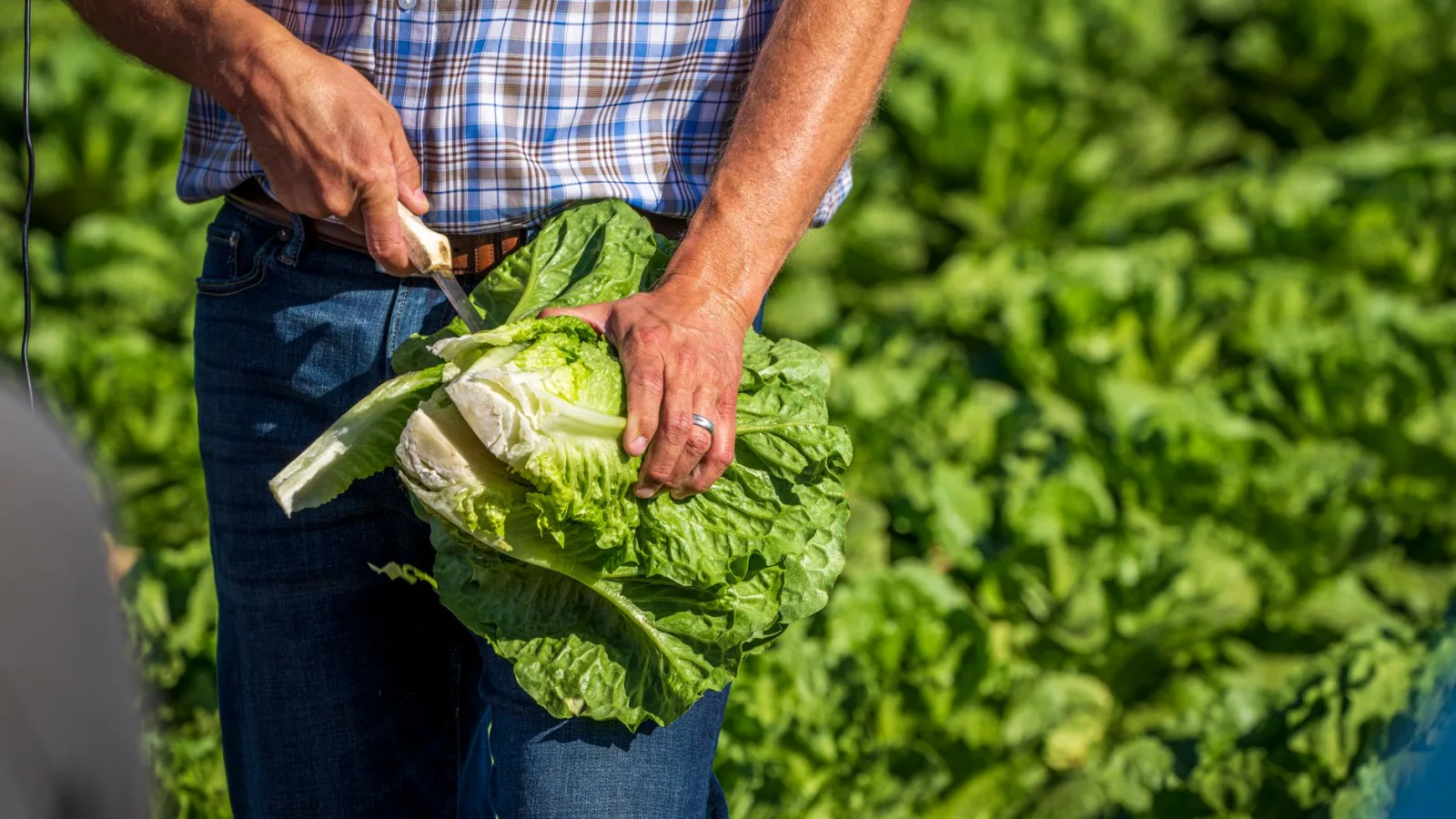
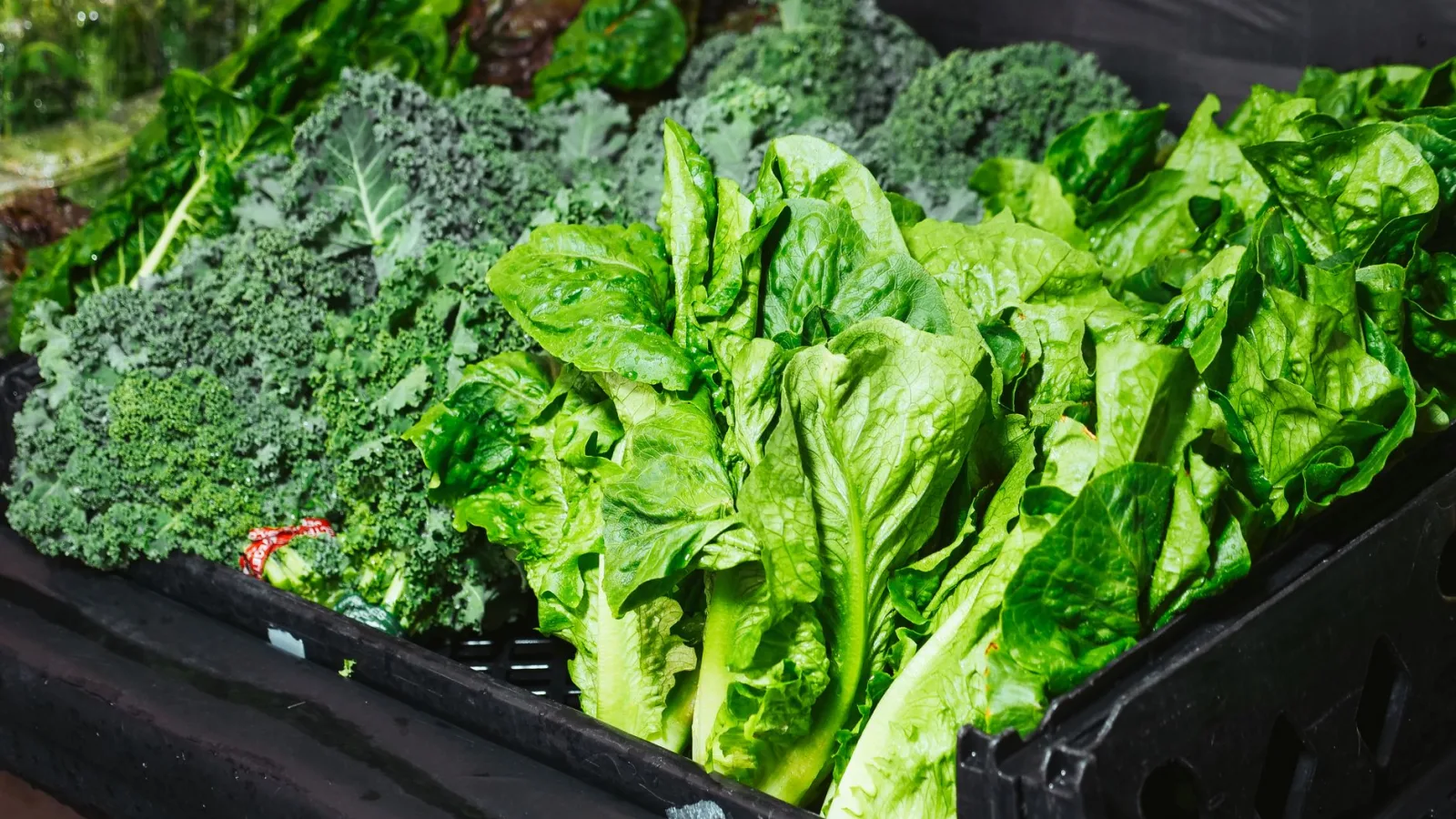
- Spinach and lettuce, which tend to concentrate metals in their leaves, often grow in the same soil. Getting your container soil in order once pays off for several crops at the same time.
Once cadmium enters the body, it lingers for a long time and puts a strain on the kidneys. Store-bought rice is held to regulatory limits, so there's no need to worry about what's on your dinner table. But nobody tests the soil you grow in yourself. Looking after that soil and water is up to the gardener.
Before you pick up the watering can today, check on your rice containers first. If you see heads starting to appear, make sure those containers, at least, stay filled to the brim.
Reference: Report by an international research team on water-saving irrigation and cadmium accumulation in rice grain