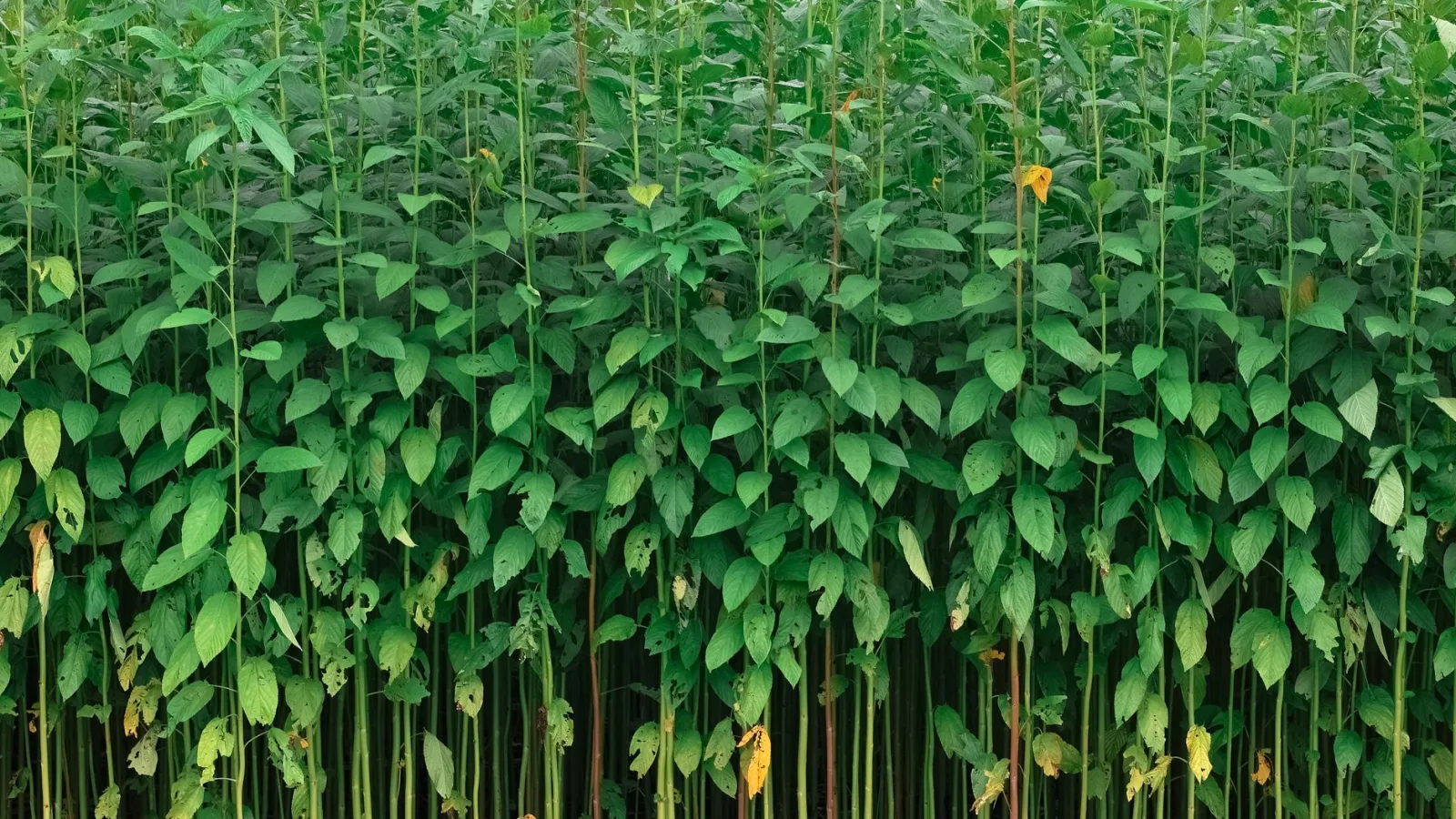
In the Northern Hemisphere, ramie leaves are picked from May through September. September is the last month of the year you can take them. Look ramie up for the first time and three stories arrive together: cloth, rice cake, and a root recorded in an old medical text. Which part you eat and which part you leave alone is the first thing that gets muddled.
What the Donguibogam Says About Ramie Root
The Donguibogam, a medical compendium published in 1613, lists jeogeun (苧根) — ramie root — in its herbs section (草部). It describes the root's nature as cold, and also as neutral, with a sweet taste and no toxicity. It even explains the name, noting that this is the root of the very ramie now woven into cloth — making plain that the fiber plant and the medicinal one are a single species.
That said, this is a record from an old medical text, and it does not line up with modern medical judgment. The part it describes is the root, not the leaf. So it's a stretch to read the entry as an account of what ramie leaves do for you, or to take it as grounds for simmering the root into a drink.
Source: Heo Jun, Donguibogam, herbs section (草部), jeogeun (苧根) entry
In the Garden, the Part You Eat Is the Leaf
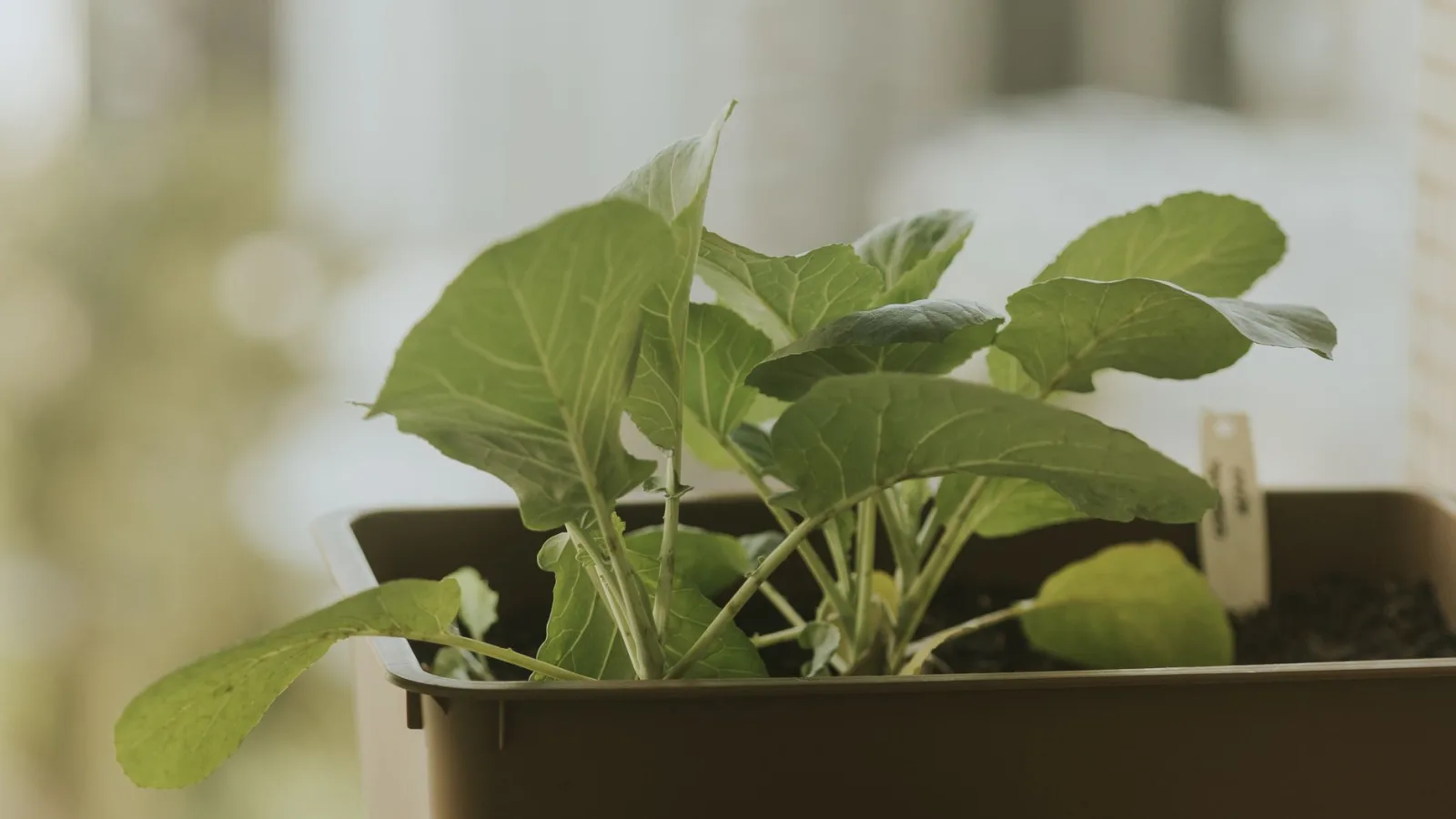
Ramie (Boehmeria nivea) is a perennial in the nettle family (Urticaceae). Even on a single plant, each part has its own job.
- Leaves — blanched, then worked into rice-cake dough and soups.
- Stem bark — the source of cellulose fiber, spun and woven into cloth.
- Roots — dug only when you're dividing a clump to plant more.
The root is not food. Don't dig it up and brew it on the strength of an old text. The stem bark is textile fiber, so it never comes into the kitchen. The part that reaches the table is the leaf.
The words "nettle family" may make you hesitate before touching a leaf. Ramie has none of the stinging hairs a nettle carries — only fine fuzz on the underside of the leaf.
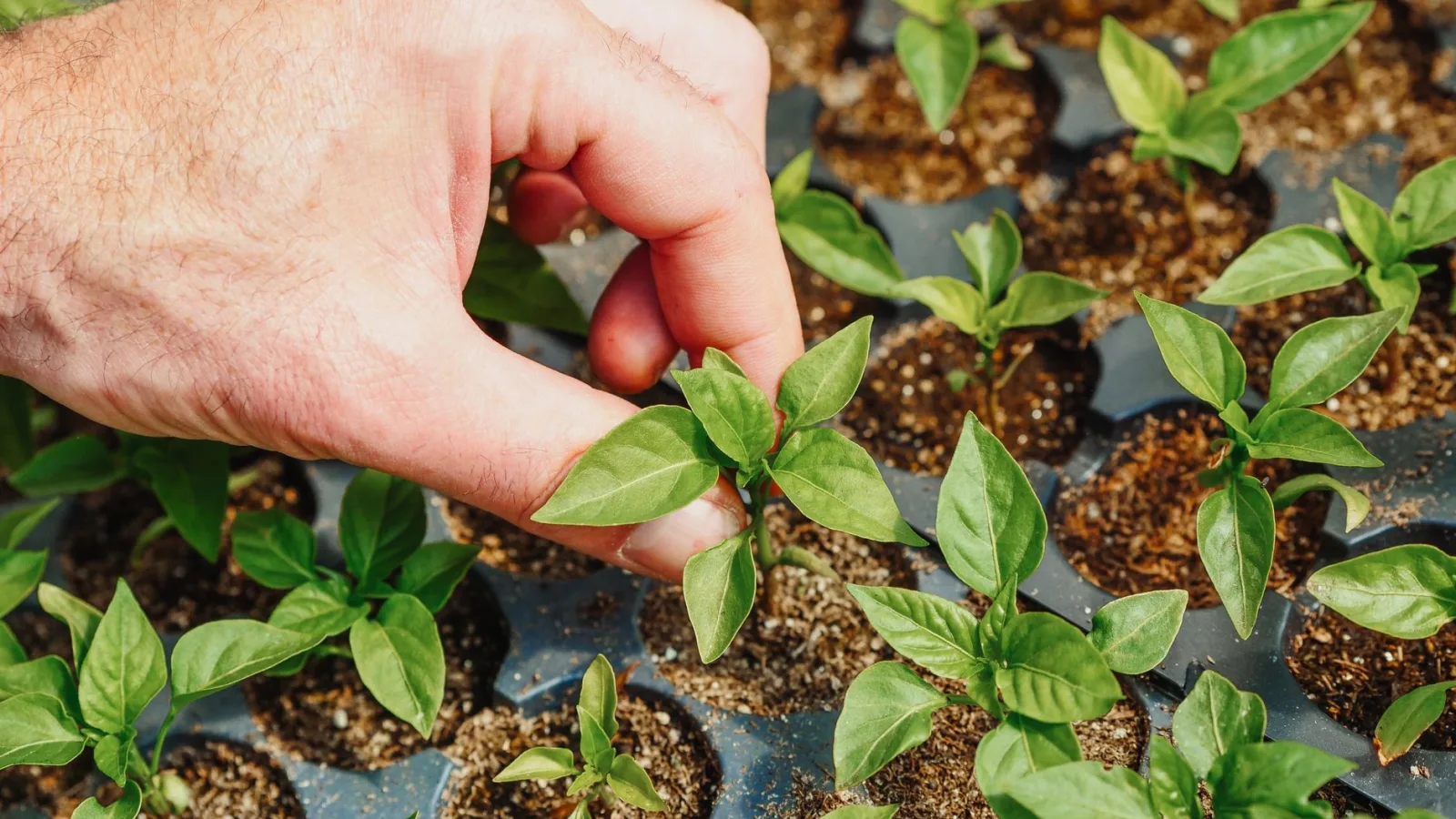
Divide the roots and plant them in March or April (Northern Hemisphere), and one spot will keep giving you leaves and stems for years. China, India, Thailand, Brazil, and the Philippines are the main producers, and in Korea the leaves have gone into rice cakes for generations. You can check the planting and harvest months side by side on the ramie entry in the Homi Club crop guide.
What's Inside a Ramie Leaf?
Analyses of ramie leaves report a high proportion of dietary fiber, along with minerals — calcium especially — at levels on the higher end for a leafy green. Dietary fiber is the polysaccharide that builds the leaf's structure. The deep green of ramie rice cake comes from chlorophyll, a pigment; the more leaf you work into the dough, the darker the cake, because more of that pigment goes in with it.
The same analyses note that the numbers swing widely with the age of the leaf and how it's been handled. Young leaves and mature leaves, blanched leaves and dried leaves all measure differently. So there's no single figure for how much calcium sits on a plate of ramie leaves.
These analyses measure what's in the leaf; they have nothing to say about preventing or treating disease. Think of ramie rice cake and ramie soup as one more leafy green on the table — one that happens to bring fiber and calcium with it.
Blanch Fresh Leaves First
Ramie leaves carry fine hairs on the surface and stiff veins, so raw they feel scratchy in the mouth. Fresh leaves get blanched. Pour off the blanching water and rinse the leaves in cold water.
For rice cake, purée the blanched leaves fine, fold them into short-grain rice flour, and knead — the dough stretches beautifully. Fill it with sweet red bean paste and you have mosinnip songpyeon, ramie-leaf half-moon rice cakes; some cooks finish them in a coating of toasted soybean powder. The grassy note of the leaf plays well against the sweetness of the beans. More leaf makes a stiffer cake, so start with a little and build up until it suits you. Eat them straight from the steamer, and once they've cooled, steam them again.
For soup, stir doenjang (fermented soybean paste) into the pot, bring it to a simmer, then add the blanched leaves and ground perilla seed right before you cut the heat. The oil from the perilla spreads through the broth, taking the edge off that scratchy texture so the leaves go down smooth.
Wear gloves when you're prepping a large batch. There's no sting, but an hour spent handling fuzzy leaf undersides and stem bark will leave your hands rough. When you cut stems, hold the base — the cut surface is slippery and the knife likes to skid.
If you're picking before September runs out, blanch just a handful today, purée it, and start folding it into rice flour a spoonful at a time.