
Tangaek — Decoctions · Herbs
苧根 Ramie (Mosi)
 Related Crop · Ramie (Mosi) →
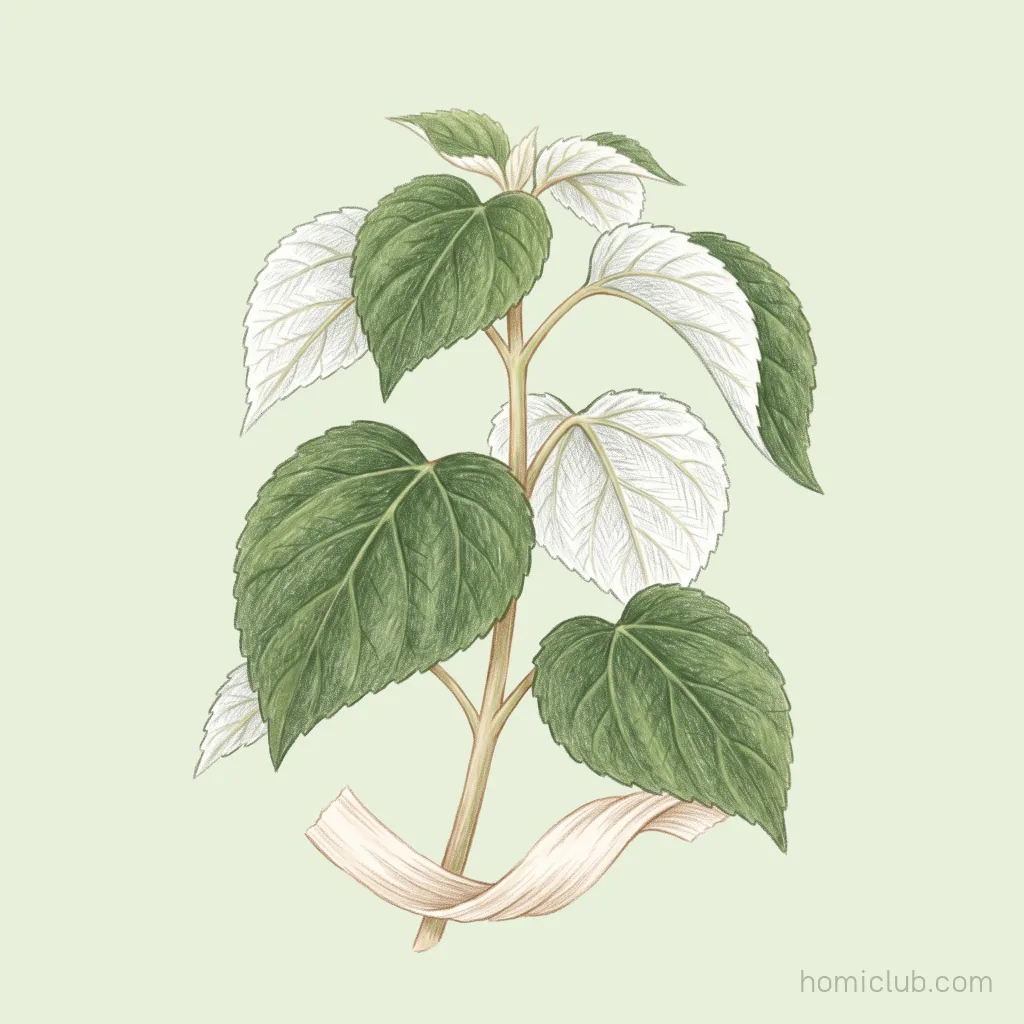
Jeogeun is the root of the ramie plant, the mosi of the crop guide. The text is blunt about it: the root of the very ramie whose fibre is woven into cloth. Hansan ramie is still woven today, and the leaves are ground into mosi songpyeon and rice cakes.
Original, read line by line 東醫寶鑑 · Tangaek — Decoctions vol. 3
-
性寒一云平, 味甘, 無毒. 主小兒赤丹毒腫, 婦人漏胎下血, 産前後心熱煩悶.
Its nature is cold, though one account calls it neutral; its taste is sweet and it is non-toxic. It governs red erysipelas and toxic swellings in children, bleeding from a leaking pregnancy in women, and heat and oppression in the chest before and after childbirth.
HomiclubJeogeun is the root of the ramie plant, a nettle-family perennial long cultivated in Korea's southern provinces. The silvery-white underside of its leaves is the clue for recognising it.
-
除五淋, 療天行熱疾, 大渴大狂, 罯毒箭, 蛇蟲咬. 《本草》
It removes the five rim (五淋, strangury patterns), treats epidemic febrile disease, severe thirst and severe mania, is packed onto poisoned-arrow wounds, and is used for snake and insect bites. 《Boncho (本草)》
-
卽今績布之苧根也. 補陰, 行滯血. 《丹心》
This is the root of the very ramie now woven into cloth. It supplements yin and moves stagnant blood. 《Dansim (丹心)》
HomiclubAs the text pins it down, this is the very ramie woven into cloth, still done today as Hansan mosi. The leaves are ground and folded into ramie tteok and songpyeon.
Related Crop
Ramie (Mosi) →
Herbs — more entries
This is a cultural and historical record from a classical text, not a claim about any food’s effects. Nothing here is a health supplement or intended to prevent or treat disease. Consult a medical professional about health concerns. · Text: Korean Medicine Classics DB · Reading: Homiclub