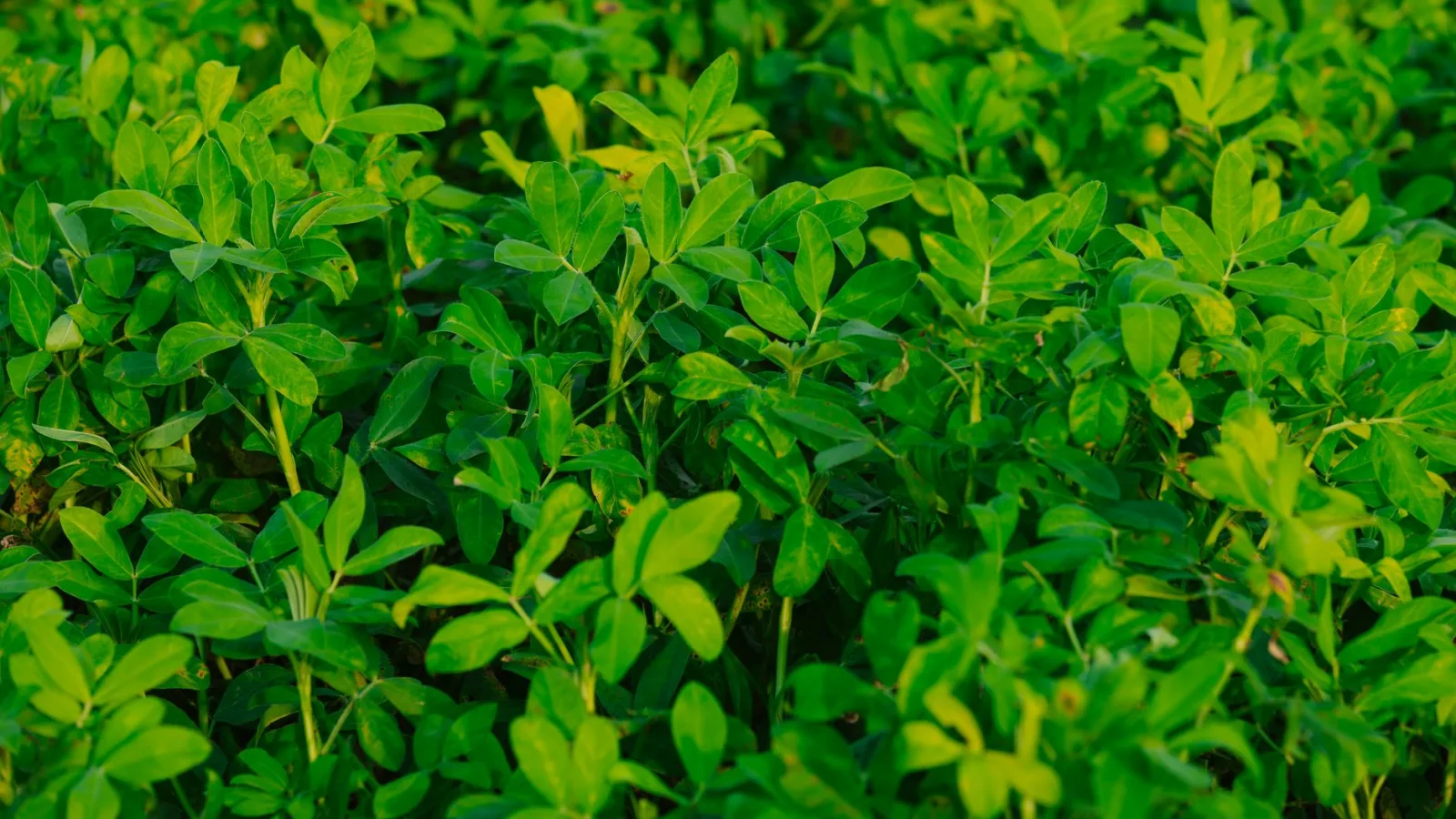
In late September, grab a peanut plant with both hands and lift, and the pods come up hanging beneath the roots. They're still caked with soil, and the shells are still damp. In the Northern Hemisphere, peanuts go in the ground in May and come out in September or October, so it has taken five months to get here. But with peanuts, the work doesn't end on harvest day. Most of the questions people ask about peanuts aren't about when to plant. They're about what to do after the harvest. How should you dry them, and where should you keep them so they don't spoil?
They Ripen Underground, So They Come Up Wet
After a peanut flower fades, a stalk called a peg grows from the spot where it bloomed and pushes down into the soil, forming a pod at its tip. People long ago named the plant for exactly this habit. In East Asia it's called nakhwasaeng (落花生), "born of the fallen flower." The nuts still ripen the same way today: the flowers bloom above ground, and the nuts fill out below. Peanuts are grown widely in China, India, Nigeria, the United States, and Sudan, so you'll find them in just about any market.
That's why freshly dug pods come up with both soil and moisture clinging to them. Grains are harvested after their heads have dried on the stalk above ground. Peanuts come out of the earth still holding its moisture. That's why drying counts as the final step of the harvest.
Start Drying the Day You Harvest
If you pulled up whole plants, leave the pods attached and spread the plants out in a shady spot with good airflow. Knock off the soil, but don't wash them. Rinsing lets the shells soak up water again, and then they take longer to dry. If you pile them straight on the ground, moisture lingers at the bottom of the heap, so spread them in a thin layer on a mesh screen or a flat drying basket and turn them once a day.
When the kernels rattle inside a pod as you shake it and the shell splits easily under your fingertips, they're just about dry. How long that takes depends on the weather and humidity, so go by these signs rather than by the calendar.
Throw Out Any Nuts That Taste Bitter or Musty
Peanuts are tricky at this stage because two things work against you at once. They ripen in the soil, so they already carry moisture and dirt when you dig them up. And the kernels are mostly fat and protein, which mold thrives on. Every bit of drying time you cut short leaves that much more risk behind.
Peanuts that are left underdried or stored somewhere damp can grow mold, and that mold can produce aflatoxin. Roasting or boiling doesn't reliably destroy it. It's easy to assume heat will take care of the problem, but what the mold leaves behind can't be cooked away.
When you shell your peanuts, discard any kernels with bluish-green or dark spots, and any that taste bitter or musty when you bite into them. If one nut tastes off, treat everything else from the same container as suspect. It may feel wasteful, but emptying the whole container is the safer choice.
In-Shell and Shelled Peanuts Belong in Different Places
Once in-shell peanuts are thoroughly dry, keep them somewhere cool and dry. Put shelled peanuts in an airtight container in the refrigerator or freezer. Oil-rich seeds start to smell stale when they sit exposed to air for too long. Most of the fat in peanuts is unsaturated, mainly oleic and linoleic acids, and peanuts also provide plant protein and vitamin E.
Set aside next year's seed separately, still in the shell. Pick plump pods with no damage, then store them the same way as your eating peanuts, somewhere cool and dry. Plant them in May (in the Northern Hemisphere), and you'll be harvesting again in September or October.
Well-dried peanuts can be roasted and enjoyed a handful at a time as a snack. Stir-fry them with tiny dried anchovies for a calcium-rich banchan (a Korean side dish), or simmer them whole in soy sauce for a savory dish to eat with rice.
Peanuts are also one of the most common food allergens. For people with a peanut allergy, even trace amounts can trigger a severe reaction, and the proteins responsible survive roasting and boiling. We've gathered what to keep in mind when introducing peanuts to young children in our peanut crop guide.
If you dug up some pods today, just brush off the soil and spread them thinly on a drying tray. In a few days, bite into one. If all you taste is that rich, nutty flavor, they're ready to go into a container.