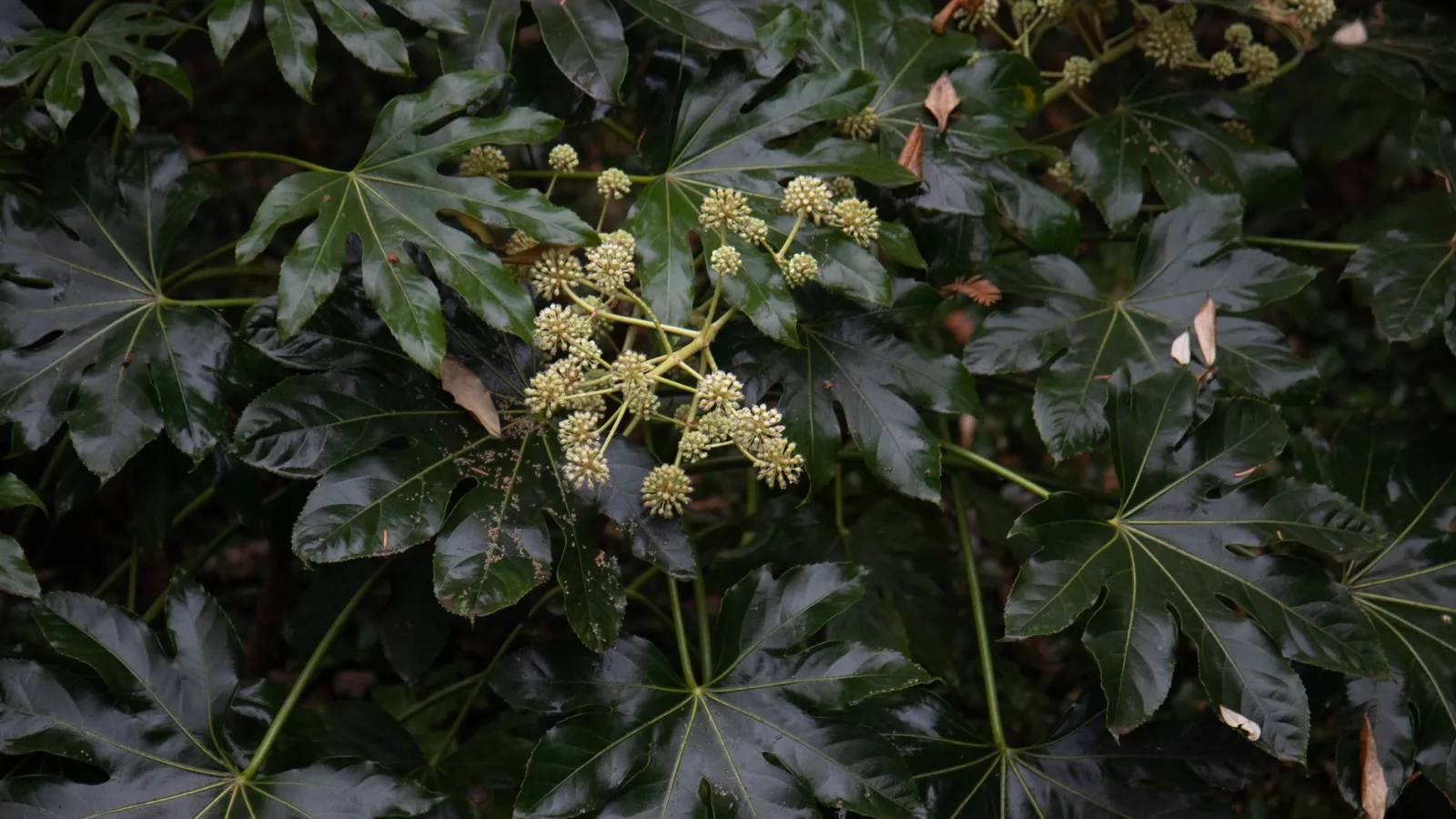
In early spring, at the tips of a thorny tree standing at the edge of the garden, the brown scales wrapping each bud split open and a pale green shoot pushes up. Before the leaves fully unfurl, when the shoot is about the length of a finger, it's picked and eaten as a vegetable. Durup, the shoots of the Japanese angelica tree (Aralia elata), grow on a tree, so once you plant one, you can harvest from the same tree every spring. The tree is native to Korea, Japan, northeastern China, and the Russian Far East. In Japan, the same shoots are called taranome and are a favorite for tempura.
A Brief Entry in an Old Medical Text
The Donguibogam (東醫寶鑑) is a medical compendium compiled in the early 17th century by Heo Jun, a royal physician of the Joseon dynasty. Its 菜部, the section on vegetables, lists aralia shoots under the name 木頭菜 (mokduchae), and records their old Korean name as "dulhup."
The entry is short. It describes the shoots as neutral (平) in nature and nontoxic (無毒). "Neutral" is a traditional category for foods that are neither cooling nor warming. The text notes that the tree grows almost everywhere and that its shoots are picked in early spring, adding that they're good boiled and seasoned as namul (a seasoned vegetable side dish) or made into kimchi. As its source, it cites 俗方 (sokbang), remedies passed down among ordinary people.
The entry says nothing about curing illness. It is an old medical text's record of a food's nature and how to eat it, not a modern medical judgment. You can read the original text alongside its interpretation in Homiclub's Donguibogam entry on "dulhup".
What's in the Shoots, Compared with the Old Record
Researchers studying plants in the genus Aralia have repeatedly isolated and reported a family of triterpene saponins called aralosides. These compounds were most abundant in the root bark, but they also turned up in the edible shoots. The angelica tree belongs to Araliaceae, the same plant family as ginseng. Still, there's no evidence that sharing a family means sharing the same effects. These findings tell us what the plant contains; they have nothing to do with preventing or treating disease.
The shoots' satisfying, meaty bite comes from dietary fiber, which is known to help keep the bowels moving. They're relatively high in protein for a spring green, and they also contain potassium, a mineral common in vegetables. Potassium helps the body flush out sodium.
Where the two records overlap is in when to harvest and how to eat. The Donguibogam says to pick the shoots in early spring, and gardeners today still harvest them in April and May (in the Northern Hemisphere). Blanching them and dressing them as namul hasn't changed in more than 400 years. Where they differ is in how they look at food. The old medical text sorted foods by whether they were cooling or warming and whether they were toxic; modern research measures which compounds are concentrated in which parts of the plant. Neither one declares aralia shoots to be medicine.
Planting One Tree in a Corner of the Garden
Plant nursery seedlings or root cuttings in March or April (Northern Hemisphere). The angelica tree likes full sun and well-drained soil, and it's cold-hardy enough to thrive in cooler regions. Its roots spread sideways and send up new stems around the parent tree, so it's easier to manage at the end of a plot or along a fence than between vegetable rows. The stems are densely covered in thorns, so set it a step back from any path you use.
Start with the first shoot that appears at the very tip of each stem. Shoots are most tender before the leaves open, while the tip is still tightly closed. Once you pick that first shoot, more will sprout from the side buds below, but if you pick all of those too, the tree weakens. Leave a few side shoots to leaf out. Those leaves need to make and store food during the season for the tree to send up plump shoots the following spring. You'll also find planting and harvest months, along with good ingredient pairings, in the aralia shoot entry in Homiclub's crop guide.
Blanched and Dipped, Pan-Fried, or Skewered
Peel off the papery scales at the base of each shoot, then blanch briefly in boiling water, thick end first. After rinsing in cold water, don't wring them out; just give them a gentle shake. Squeezing hard will break the shoots apart.
- Chogochujang: Dip the shoots in chogochujang, a tangy sauce of gochujang (Korean chili paste) mixed with vinegar. This is the most common way to eat them in Korea, and the acidity softens their slightly bitter, astringent finish.
- Durup-jeon: Halve the shoots lengthwise, coat them in a thin layer of flour and egg, and pan-fry them into jeon (savory fritters). Score the thick base so it cooks evenly. Frying in oil mellows the shoots' aroma, so even kids find them easy to eat.
- Beef sanjeok: Thread the shoots and strips of beef alternately onto skewers and pan-fry them as sanjeok. The firm base helps each skewer hold its shape. It's a pairing that has long appeared on holiday tables.
If you have a garden, choose a sunny spot at the end of a bed and try planting one angelica tree seedling in March or April (Northern Hemisphere).
Sources: Heo Jun, Donguibogam, 菜部 (Vegetables), "木頭菜 (Mokduchae)" · Reports analyzing saponin compounds in plants of the genus Aralia