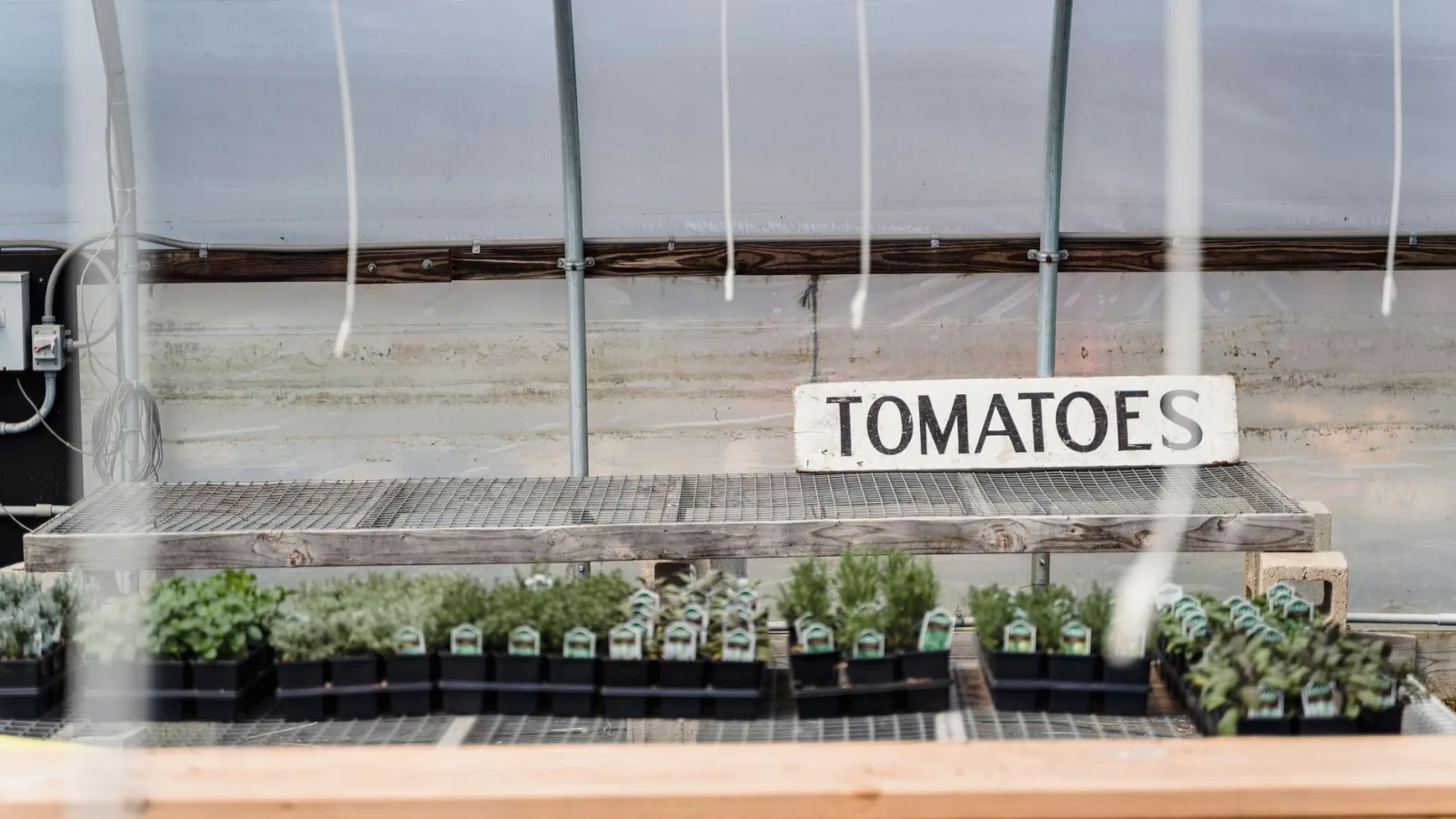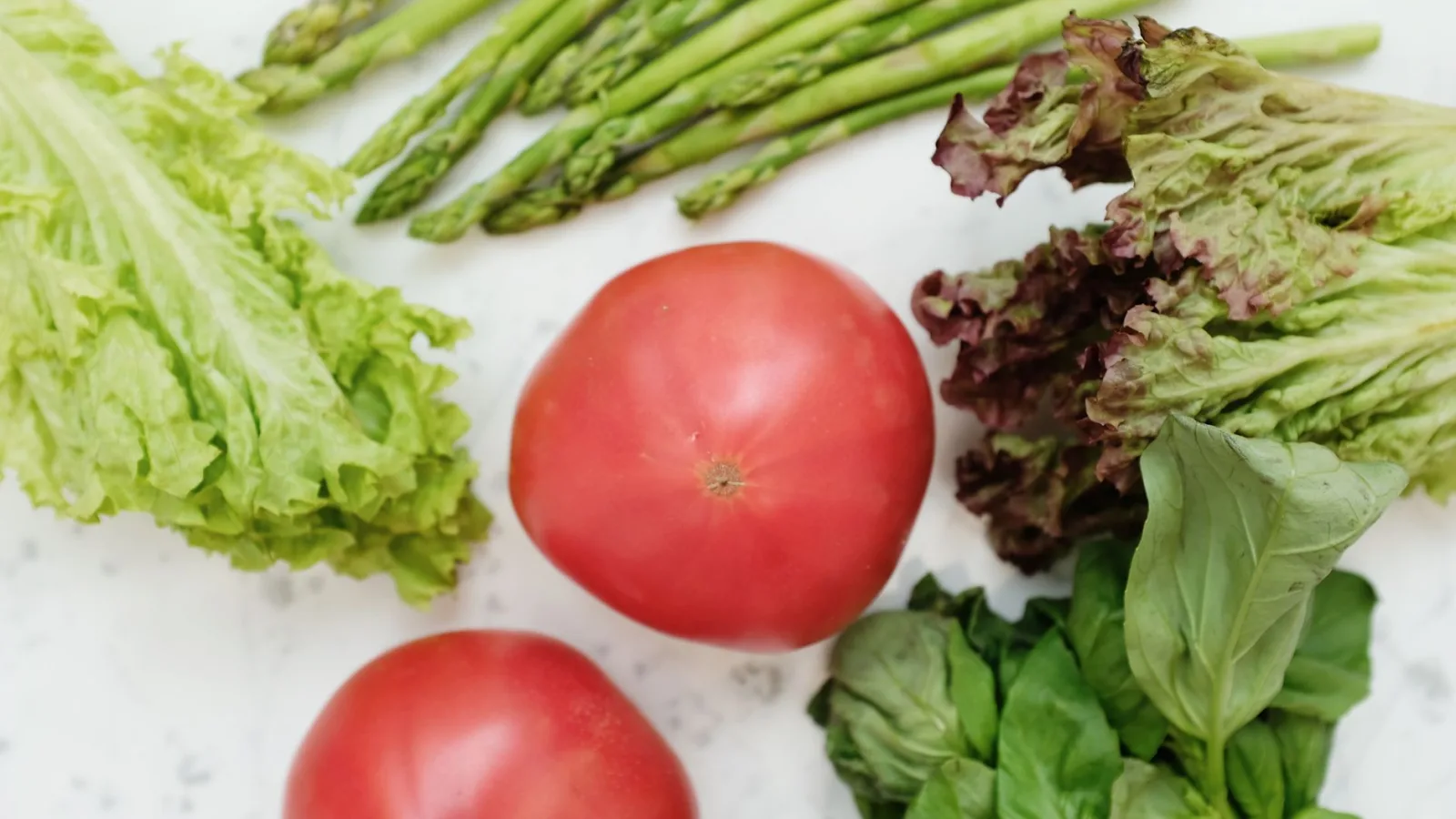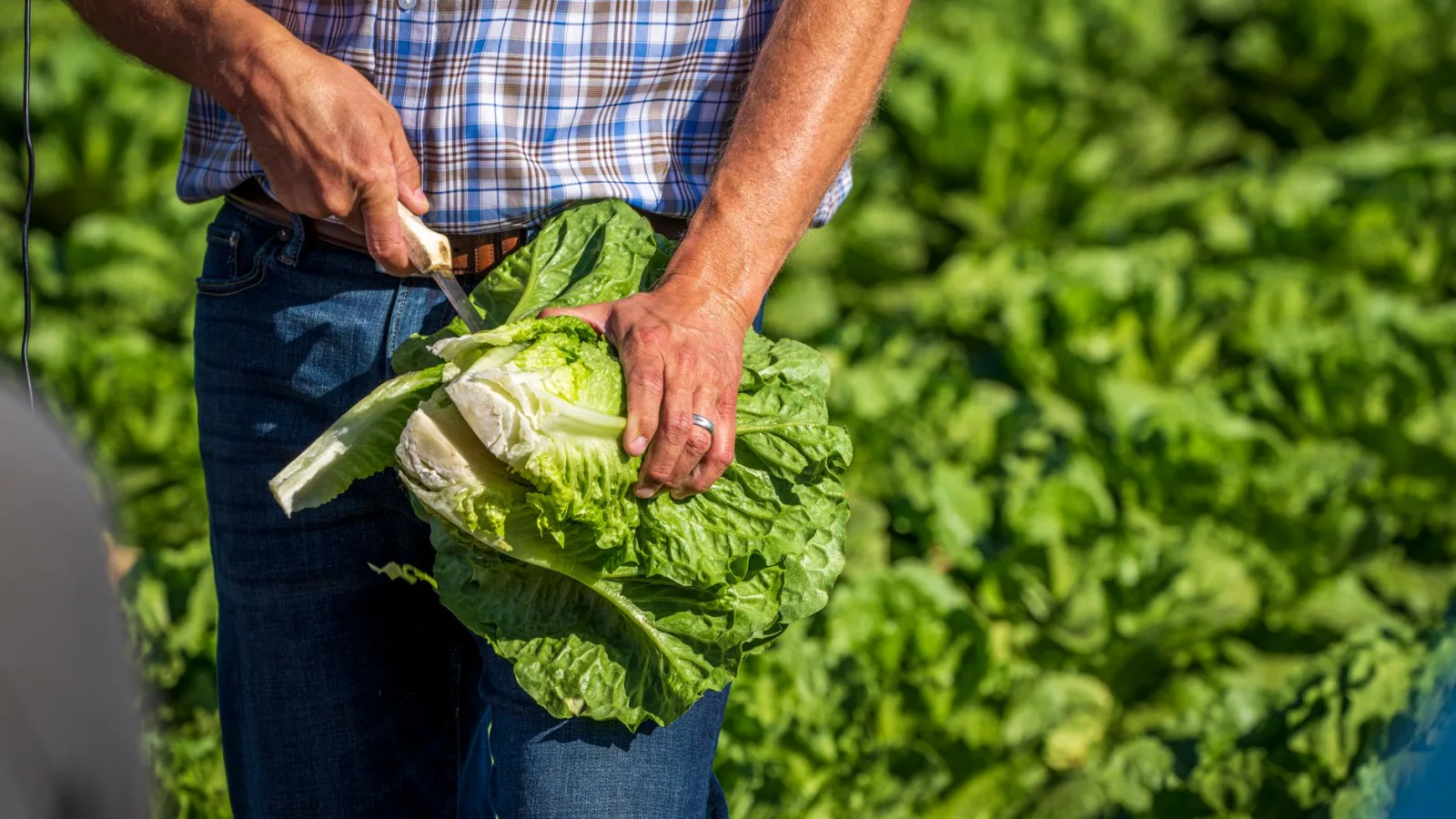
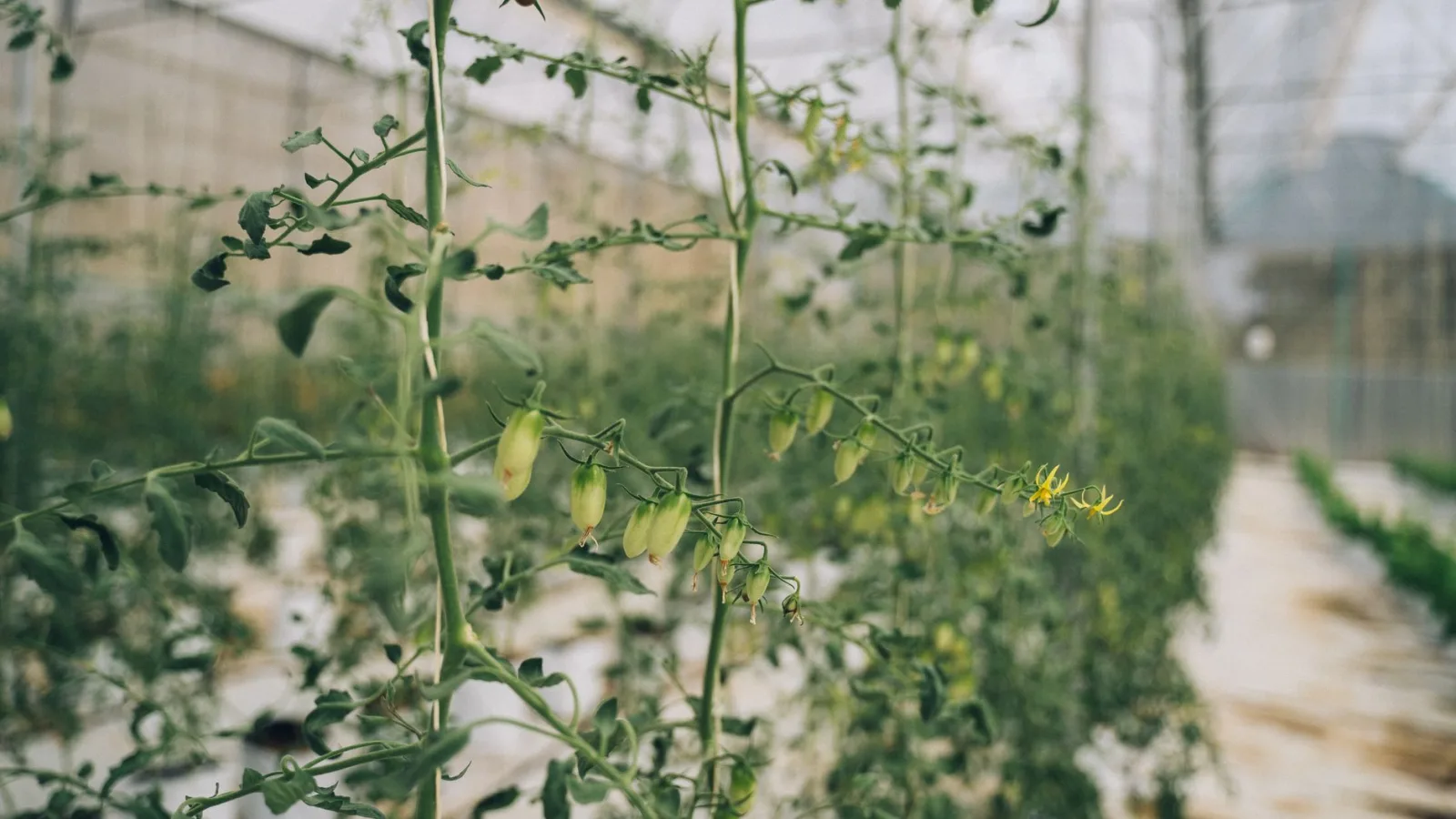
Check on your tomatoes in the summer garden and you'll often notice that the upper leaves are a deep green while the lower ones are slowly turning yellow. If you've ever grown lettuce, you know the older outer leaves are the first to fade, too. It looks like simple aging, but inside the plant, a decision is being made between trying to recover and letting go.
What a Plant Does Before It Lets a Leaf Go
Before a leaf dries up completely, the plant reclaims the nutrients stored inside it. Nitrogen and other nutrients are drawn out of the leaf and sent to the growing shoot tips, the fruit, and the seeds. Nitrogen in particular is essential for building new leaves and fruit, so rather than simply discarding a spent leaf, the plant works to recover as much of its nitrogen as it can. In effect, it salvages whatever is still useful as it clears out its old leaves. That's why healthy plants often empty out their lower leaves, turning them yellow, and redirect those nutrients to growth higher up. Yellowing lower leaves in your garden aren't necessarily a sign of disease.
The Point of No Return, and Arginine
The real question is how long a leaf can still recover, and at what point it's past saving. Researchers at the Umeå Plant Science Centre in Sweden have focused on a signal that may help make that call: arginine, one of the amino acids. Their research suggests that plants use arginine levels as a cue to decide whether a leaf can still bounce back or whether its cells should move toward death. Once that threshold is crossed, the leaf can't turn green again and begins to dry out. If a plant kept pouring nutrients into a leaf that won't recover, it would waste resources it needs for new growth, and the whole plant would pay the price. So deciding when to let a leaf go is directly tied to the plant's survival. The study is new and still at an early stage, but it offers concrete evidence that plants themselves control when their leaves die back.
What This Means for Your Garden
Down the road, this discovery could help researchers develop crops that hold up better under environmental stress such as drought and heat. For now, here's what you can try in your own garden.
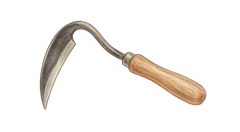
- Yellowing on older, lower leaves is natural nutrient recycling, so don't strip off healthy leaves along with them. Remove only the ones that have turned yellow and dried out.
- When water or nitrogen runs short suddenly, plants hurry to shed more leaves. In summer, water deeply in the morning and side-dress with small, frequent doses of fertilizer to keep stress to a minimum.
- Pay attention to where the yellowing starts. If it begins at the bottom of the plant, it's usually normal aging. If the new leaves at the top turn yellow first, the plant may be short on nutrients or diseased, so check your soil and watering first.
Next time you're out in the garden, don't write off a yellow leaf as disease. Start by looking at where on the plant it's turning.