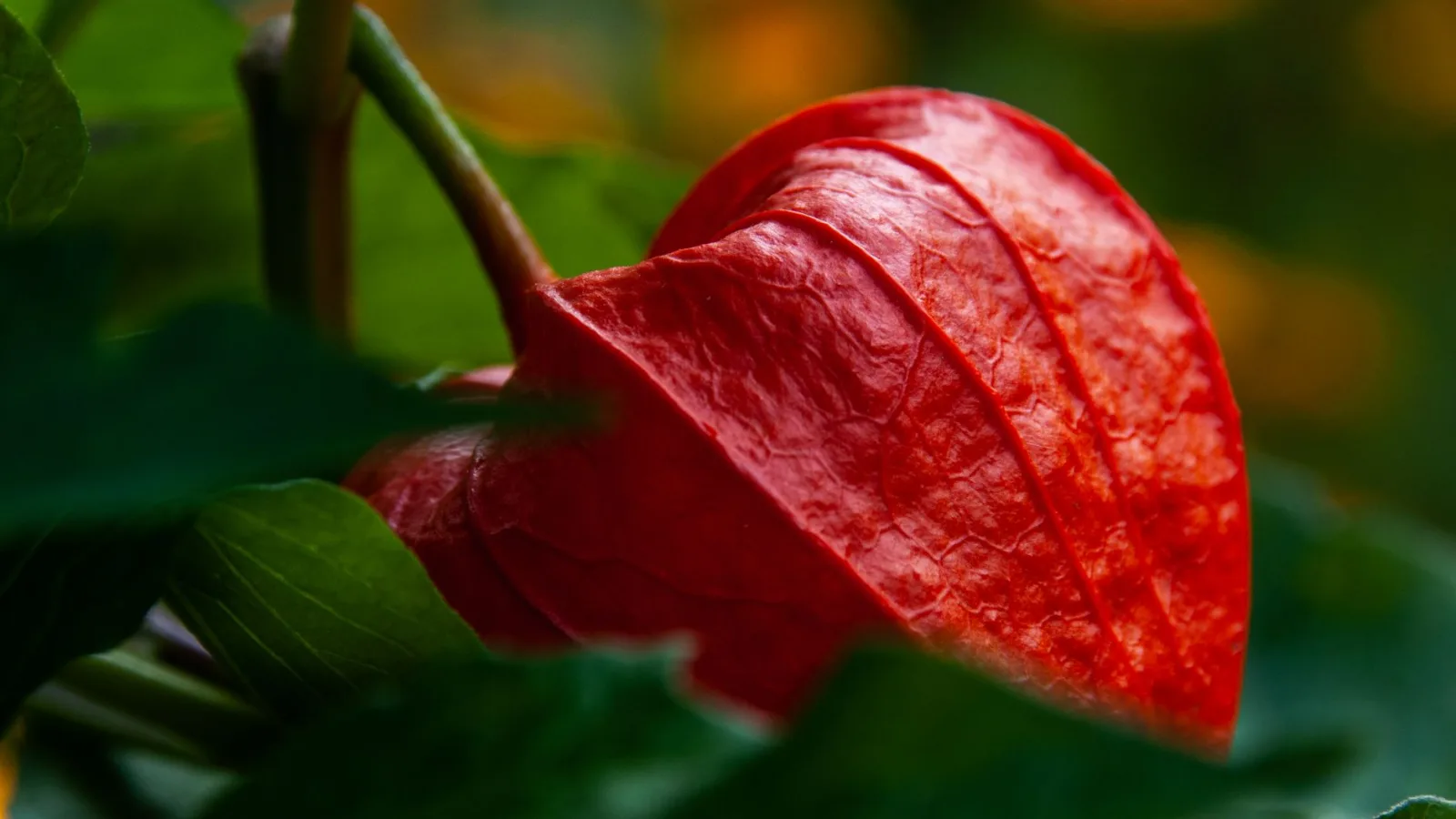
In the Northern Hemisphere, late October is when papery husks, dried to brown, start dropping one by one beneath the ground cherry plants at the edge of the vegetable garden. Pull a husk open and you'll find a single ripe yellow berry tucked inside. This is the time of year we hear one question about physalis more than any other: "Can I eat this?" The answer depends on the species, the part of the plant, and how ripe the fruit is.
The red Chinese lantern in your flower bed isn't the edible kind
The red Chinese lantern so common in flower beds and containers (Physalis alkekengi var. franchetii) is a perennial in the nightshade family, grown mainly as an ornamental. After it blooms, the calyx swells into a papery husk around the fruit, and in fall a red berry ripens inside. The physalis grown for eating are different species in the same genus: Cape gooseberry, ground cherry, and tomatillo. All three are grown widely in China, Mexico, Colombia, and Peru.
So if it's the red Chinese lantern from your flower bed, you're better off not eating the fruit. If you have children at home, choose a planting spot where the red berries won't hang within their reach. Red Chinese lanterns overwinter as rhizomes and come back in the same place the following year, so it pays to pick the right spot from the start.
Different parts of the same plant contain different compounds
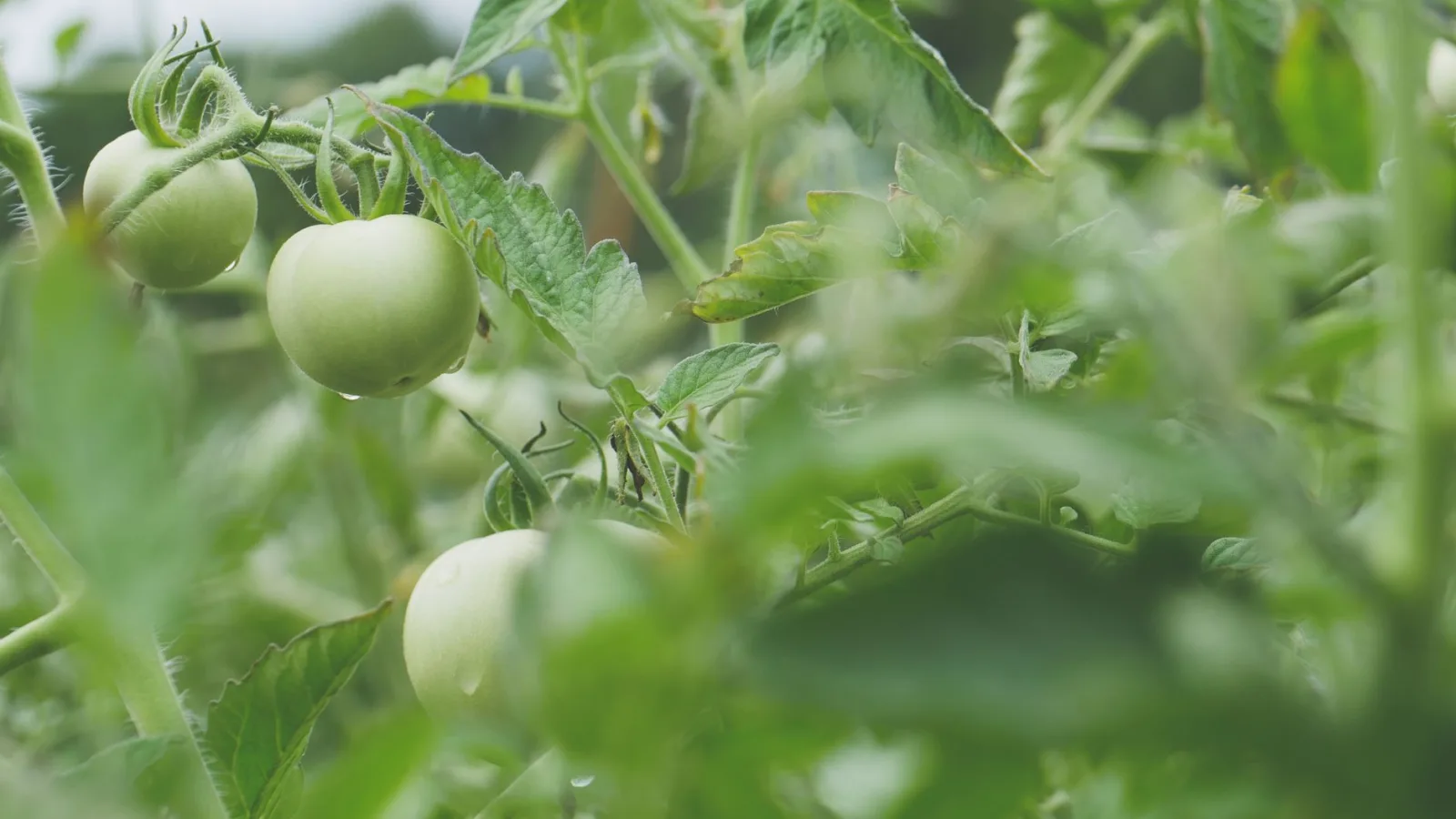
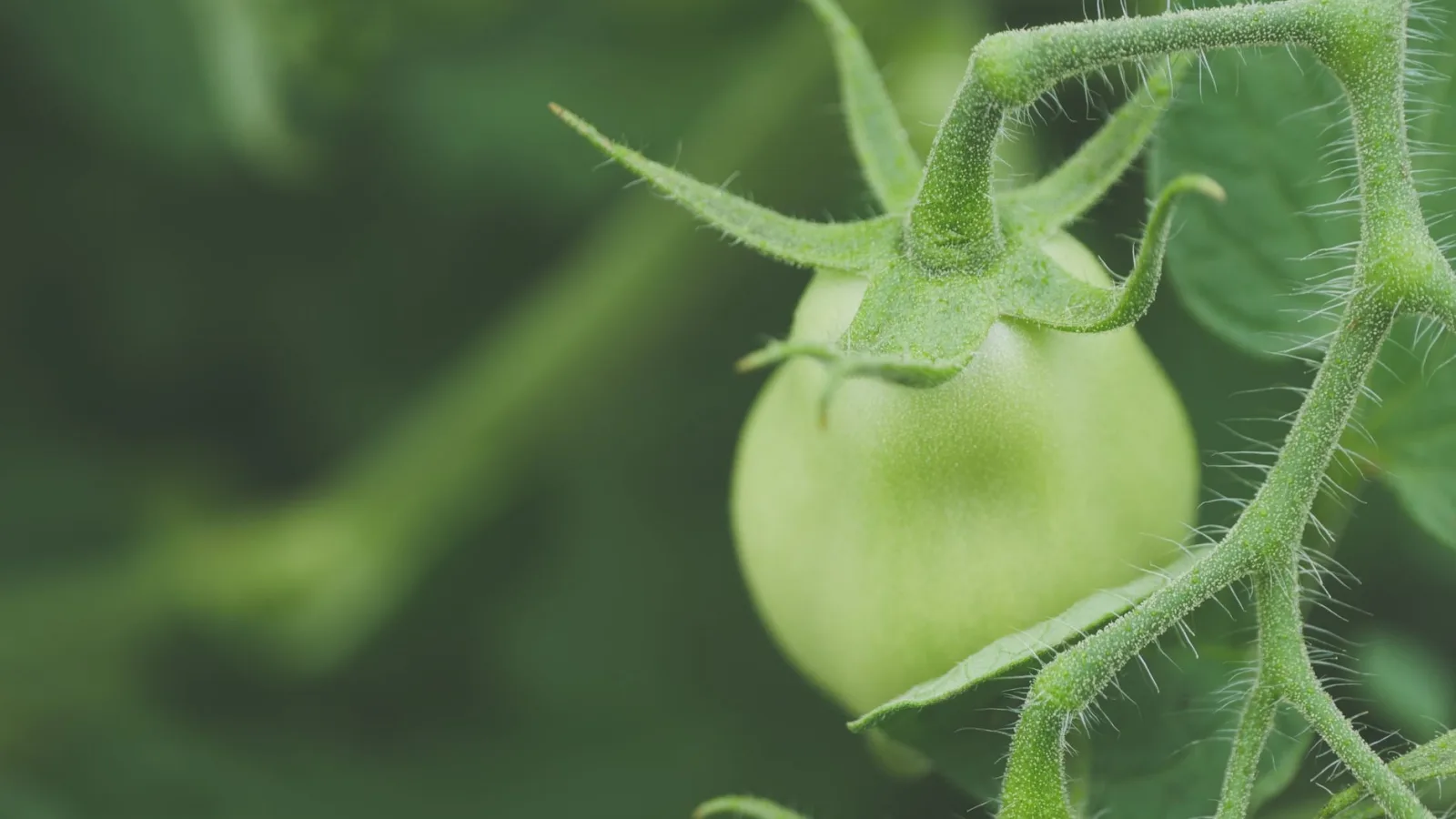
Even with the edible types, not every part of the plant is food. Studies analyzing Physalis species have found relatively high levels of withanolides in the leaves, stems, and unripe fruit. Withanolides are bitter-tasting steroidal lactones produced by plants in the nightshade family, and in physalis they include a group called physalins. Eating large amounts of these parts can bring on digestive symptoms such as nausea, vomiting, diarrhea, and stomach pain.
Fully ripe fruit is a different story. Ripe Physalis fruit, Cape gooseberries included, contains carotenoids and vitamin C, and some analyses show carotenoid levels rising as the fruit ripens. Carotenoids are the pigments behind yellow and orange, so the fruit's deepening color and the increase in these compounds are really one and the same change. That's why color is your first clue to ripeness.
Some readers come to us after reading the Dongui Bogam, the classic Korean medical text. In its Herbs section (草部, chobu), it lists physalis as 酸漿 (sanjang) and describes it as neutral and cold in nature, sour in taste, and nontoxic. A note explains the name: the fruit tastes like a sour juice, hence 酸漿, "sour juice." This is the record of an old medical text, and it is not the same as a modern medical assessment. Don't take the line "nontoxic" as license to eat the berries or leaves of the red Chinese lantern in your flower bed.
Source: Dongui Bogam, Herbs section (草部), entry for 酸漿 (sanjang).
Check the husk and the color to tell when it's ripe
With the edible types, look at the husk and the fruit together before you pick.
- Husk: When it loses its green and dries to brown, it's time to pick. A dry husk also peels off more easily.
- Fruit color: For Cape gooseberries and ground cherries, pick only fruit that has turned evenly yellow or orange. Leave any fruit with a green tinge on the plant.
- Dropped fruit: Ground cherries fall to the ground on their own once fully ripe. Just gather them up.
In the Northern Hemisphere, if you start seeds indoors in March or April and transplant the seedlings in May, you can keep harvesting from August until frost. Rather than picking everything at once, go out every few days and take only the ripe ones. In the Southern Hemisphere, shift the timing by about six months.
What to check the first time you eat them
Even fully ripe fruit deserves a little care the first time around: pay attention to how your body responds, and prep the fruit properly.
- Nightshade sensitivity: If you've ever reacted to eggplant, tomatoes, or chili peppers, it's wise to be careful with physalis fruit too, since it belongs to the same nightshade family.
- For children: Start with one or two fully ripe berries. If they come from a garden, check what has been sprayed on the plot, and wash the fruit before serving.
- Husk: It isn't edible, so remove it. Cape gooseberries sometimes keep a sticky coating after husking, so rinse them before using.
Let what's in the fruit guide how you eat it. Vitamin C breaks down with heat, so eat the fruit raw if you want to hold on to it. Halve ripe Cape gooseberries and spoon them over plain yogurt: the tartness plays nicely against the richness of the milk fat, and the fat-soluble carotenoids get eaten along with a little fat. If you've picked a lot, try cooking them down into jam. The fruit contains pectin, so it will set with nothing but sugar, and a squeeze of lemon juice keeps the color bright. For tomatillos, peel off the husk, rinse away the sticky coating, then roast or blanch them and blend with onion, chili, and cilantro for a green salsa.
You'll find planting calendars by variety and companion plants in the ground cherry entry in the Homiclub Crop Guide.
If you head out to the garden today, pick only the fruit whose husks have dried to brown, and leave the green-tinged fruit and the leaves on the plant.