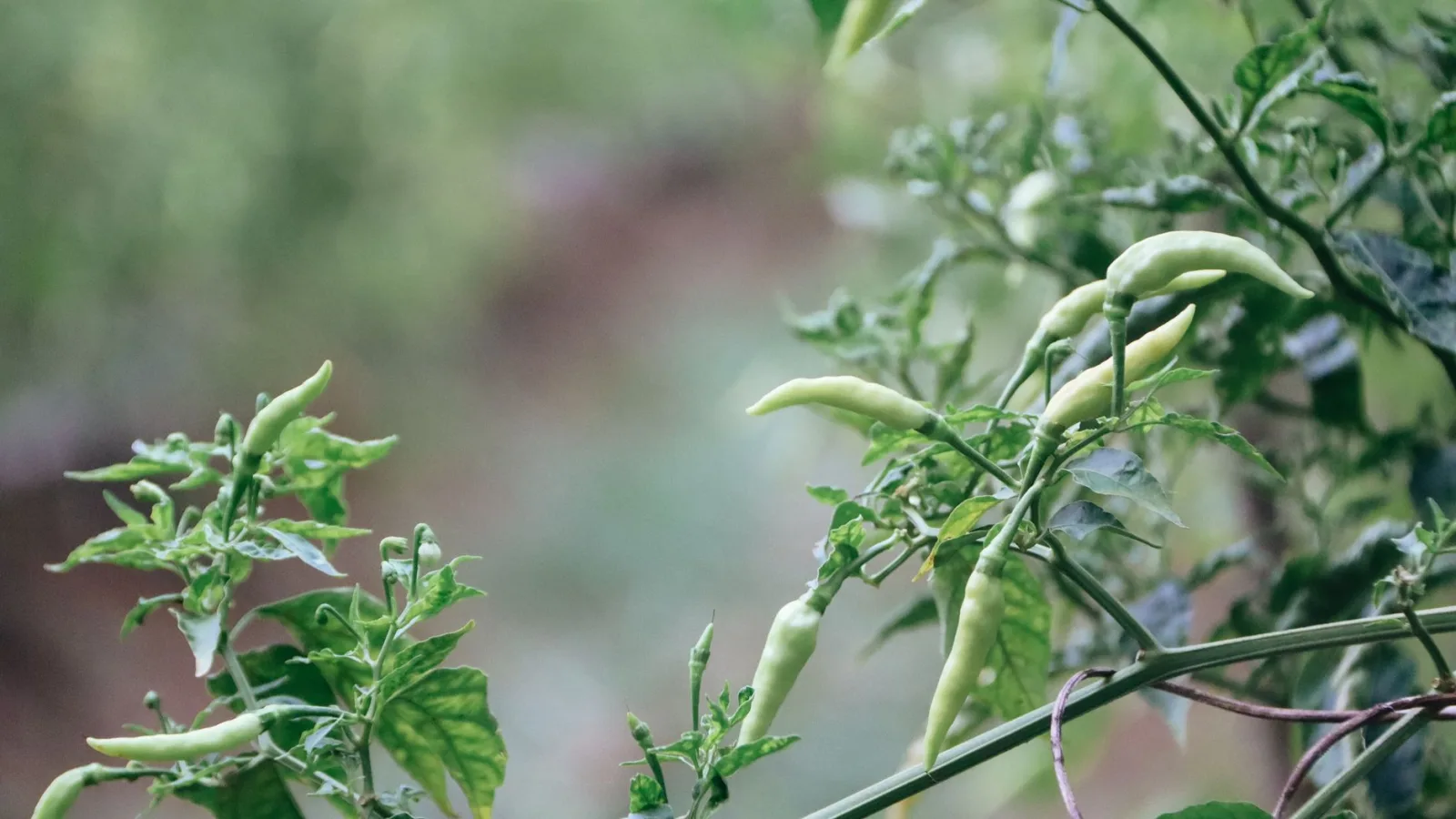
As summer deepens, there's a familiar scene in the pepper patch. One plant begins to wilt, its leaves blotched with spreading, water-soaked brown spots, while the plant right next to it, growing in the same soil, stays healthy and keeps setting fruit. They get about the same water and the same sun, so why do they turn out so differently? A recent study suggests the answer may lie in tiny bacteria living inside the pepper plant itself.
The Bacteria Living Inside Peppers
A plant's roots and leaves are home to microbes too small to see. Microbes that settle in and live within plant tissue are called endophytes. Among them, a group of bacteria known as Pseudomonas is commonly found in soil and around roots, and these bacteria often help plants withstand drought or fight off disease.
The Pseudomonas strain the researchers studied, called A32, is one of these helpers. When they sequenced its entire genome, they found genes that help gather nutrients and cope with stress, along with genes for making specialized compounds such as carotenoids and hydrogen cyanide (HCN).
Two Jobs for Hydrogen Cyanide
Hydrogen cyanide has long been known as a potent toxin that keeps other microbes in check. Sure enough, the hydrogen cyanide produced by A32 reduced the population of the pathogen that causes bacterial spot in peppers.
But what caught the researchers' attention was something else. Hydrogen cyanide doesn't just suppress pathogens directly. It also tweaks the signals that prompt the pepper plant to ready its own defenses. A32 also held up well under oxidative stress, which suggests that hydrogen cyanide helps regulate the balance between oxidation and reduction inside cells.
Switching On the Pepper's Defense Genes
The researchers coated pepper seeds with A32 before planting, then inoculated the plants with the bacterial spot pathogen. The result: fewer symptoms and lower levels of the pathogen inside the plants.
Changes showed up inside the plants, too. Phenylalanine ammonia-lyase (PAL), an enzyme linked to plant defense, became more active, and so did two genes: PR1, which helps the plant resist disease, and DEF1, which produces antimicrobial compounds. Meanwhile, the activity of antioxidant enzymes that clear away reactive oxygen species actually dropped. It appears that hydrogen cyanide doesn't simply mop up reactive oxygen; it regulates it so that some of it can serve as a defense signal.
In effect, A32's hydrogen cyanide suppressed the pathogen while also priming the pepper's immune system ahead of time. Keep in mind, though, that these results come from the lab and the greenhouse; they haven't yet been widely tested in the field.
What You Can Do in Your Garden
You can't buy this bacterium in a bag just yet. Still, there's a useful takeaway for home-grown peppers. A pepper plant's defenses aren't determined on its leaves alone. They're also shaped by its relationship with the microbes in its roots and the surrounding soil. So start by creating conditions where a diverse community of soil microbes can thrive.
- Work in well-rotted compost to bring your soil to life.
- Avoid planting peppers in the same spot year after year.
- Water the soil at the base of each plant instead of splashing the leaves.
- Give plants plenty of room so wet leaves don't touch after it rains.
Rather than reaching for a spray every time you spot disease, start with healthy soil. Your peppers will build up their own strength to fend off illness.