
탕액편 · 목부 (나무)
茯苓 복령 (복령)
 관련 작물 · 복령 →
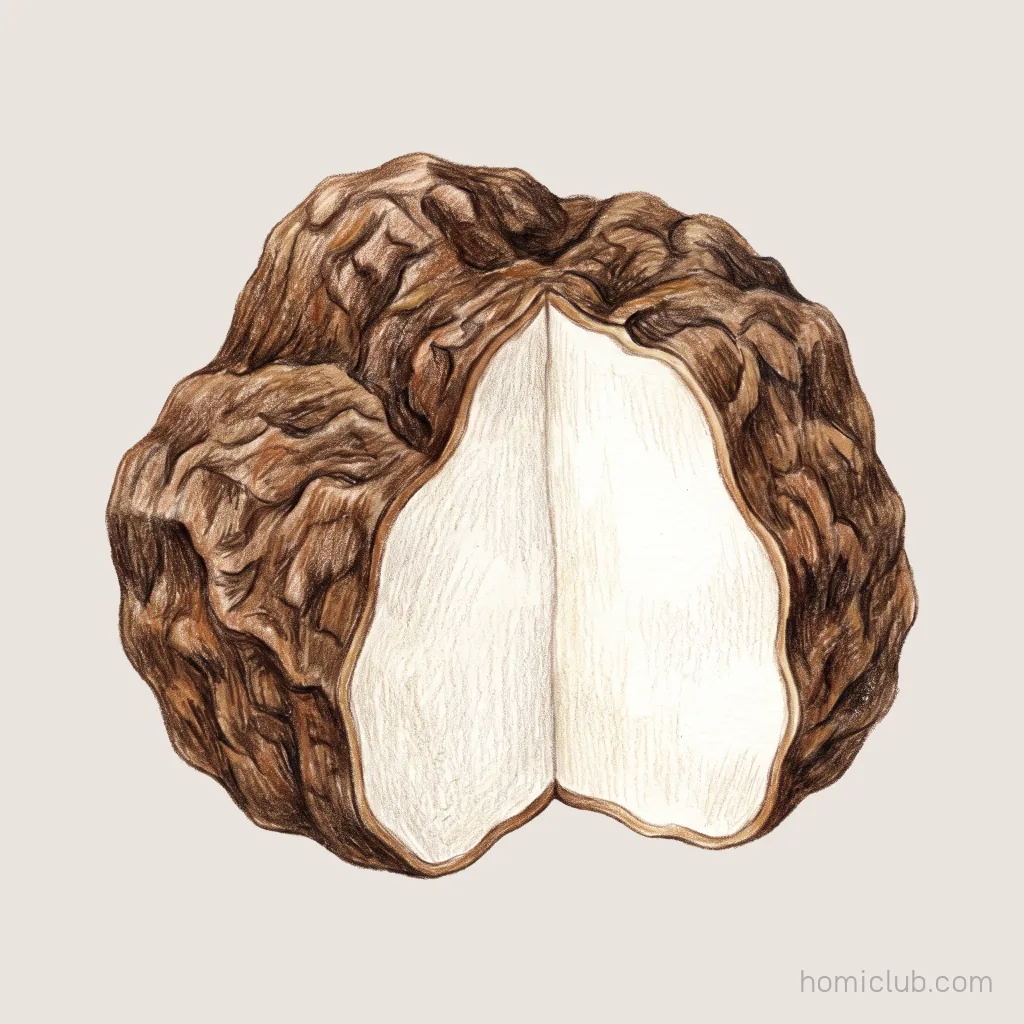
복령은 소나무를 벤 자리의 뿌리에 생기는 균핵으로, 겉은 검고 속은 희다. 오늘날 백복령이라는 이름으로 한약재상에 나오며 가루를 내어 떡이나 죽에 섞기도 한다. 《동의보감》 木部는 뿌리를 감싸안은 것을 따로 복신이라 적었다.
원문 풀이 東醫寶鑑 · 탕액편 권3
-
性平, 味甘, 無毒. 開胃, 止嘔逆, 善安心神.
성평, 미감, 무독. 개위, 지구역, 선안심신.
성질은 평하고 맛은 달며 독이 없습니다. 위를 열고 구역을 그치게 하며 심신(心神)을 잘 편안하게 합니다.
호미클럽 풀이복령은 소나무를 벤 자리의 뿌리에 생기는 균핵으로, 겉은 검고 속은 희습니다. 오늘날 백복령이라는 이름으로 건재상에 나오며 가루를 내어 떡이나 죽에 섞기도 합니다.
-
主肺痿痰壅. 伐腎邪, 利小便, 下水腫, 淋結, 止消渴, 療健忘.
주폐위담옹. 벌신사, 이소변, 하수종, 임결, 지소갈, 요건망.
폐위(肺痿)와 가래가 막힌 것을 주로 다스립니다. 신(腎)의 사기를 치고 오줌을 잘 나가게 하며 수종과 임결(淋結)을 내리고 소갈을 그치게 하며 건망을 다스립니다.
-
仙經服食亦爲至要, 云其通神而致靈, 和魂而鍊魄, 明竅而益肌, 厚腸而開心, 調榮而理胃, 上品仙藥也. 善能斷穀不飢.
선경복식역위지요, 운기통신이치령, 화혼이연백, 명규이익기, 후장이개심, 조영이이위, 상품선약야. 선능단곡불기.
선경(仙經)의 복식법에서도 지극히 요긴하다 하여, 신(神)을 통하게 하여 신령함에 이르고 혼(魂)을 고르게 하며 백(魄)을 단련하고 구멍을 밝게 하여 살을 더하며 장을 두터이 하여 마음을 열고 영(榮)을 고르게 하여 위(胃)를 다스리는 상품의 선약이라 하였습니다. 곡식을 끊고도 굶주리지 않게 할 수 있습니다.
-
生山中, 處處有之. 松脂入地千歲爲茯苓, 其抱根而輕虛者爲茯神.
생산중, 처처유지. 송지입지천세위복령, 기포근이경허자위복신.
산속에서 나며 곳곳에 있습니다. 송진이 땅에 들어가 천 년이 지나면 복령이 되고, 뿌리를 안고 있으면서 가볍고 성긴 것은 복신이 됩니다.
호미클럽 풀이송진이 천 년 만에 변한다는 것은 옛 설명이고, 실제로는 소나무 뿌리에 붙어 자라는 균이 땅속에서 뭉쳐 굳은 덩이입니다. 벌목한 그루터기 둘레를 쇠꼬챙이로 찔러 찾습니다.
-
二月八月採, 皆陰乾. 大如三四升器, 外皮黑, 細皺, 內堅白, 形如鳥獸龜鱉者, 良. 《本草》
이월팔월채, 개음건. 대여삼사승기, 외피흑, 세추, 내견백, 형여조수구별자, 량. 《본초》
이월과 팔월에 캐어 모두 그늘에 말립니다. 크기가 서너 되들이 그릇만 하고 겉껍질은 검고 잘게 주름지며 속은 굳고 희며 모양이 새나 짐승이나 거북이나 자라 같은 것이 좋습니다. 《본초》
-
有白赤二種. 白者, 入手太陰經ㆍ足太陽經ㆍ足少陽經, 赤者, 入足太陰經ㆍ手太陽經ㆍ少陰經.
유백적이종. 백자, 입수태음경ㆍ족태양경ㆍ족소양경, 적자, 입족태음경ㆍ수태양경ㆍ소음경.
흰 것과 붉은 것 두 가지가 있습니다. 흰 것은 수태음경과 족태양경과 족소양경으로 들어가고, 붉은 것은 족태음경과 수태양경과 소음경으로 들어갑니다.
-
又云, 色白者入壬癸, 色赤者入丙丁. 《湯液》
우운, 색백자입임계, 색적자입병정. 《탕액》
또 이르기를, 빛이 흰 것은 임계(壬癸)로 들어가고 빛이 붉은 것은 병정(丙丁)으로 들어간다고 합니다. 《탕액》
-
白色者補, 赤色者瀉. 《本草》
백색자보, 적색자사. 《본초》
흰 것은 보하고 붉은 것은 쏟아 냅니다. 《본초》
-
凡用, 去皮爲末, 水飛, 浮去赤膜, 曬乾用, 免致損目. 陰虛人勿用. 《入門》
범용, 거피위말, 수비, 부거적막, 쇄건용, 면치손목. 음허인물용. 《입문》
무릇 쓸 때에는 껍질을 없애고 가루를 내어 물에 걸러 뜨는 붉은 막을 걷어 내고 볕에 말려 써야 눈을 상하는 데 이르지 않습니다. 음이 허한 사람은 쓰지 말아야 합니다. 《입문》
관련 작물
복령 →
목부 (나무) 의 다른 항목
옛 문헌을 문화·역사 자료로 옮긴 것이며, 특정 식품의 효능을 주장하지 않습니다. 여기 소개된 것은 건강기능식품이 아니고 질병의 예방·치료를 위한 것이 아닙니다. 건강 문제는 의료 전문가와 상담하세요. · 한의학고전DB(mediclassics.kr)