
Tangaek — Decoctions · Grains
糯米 Nami (나미)
Glutinous rice is the sticky-grained variety of paddy rice, written in old Korean as 'nichassal.' It goes into tteok, injeolmi, and yaksik today, and serves as a base for rice wine and grain syrup. The Grains section pairs it with ordinary non-sticky rice.
Original, read line by line 東醫寶鑑 · Tangaek — Decoctions vol. 1
-
性寒一云微寒, 一云涼, 味甘苦, 無毒. 補中益氣, 止霍亂, 令人多熱, 大便堅. 《本草》
Its nature is cold, though one account calls it slightly cold and another cool; its taste is sweet and bitter, and it is non-toxic. It supplements the centre, augments qi, and stops gwallan (霍亂), but it makes a person hot and hardens the stool. 《Boncho (本草)》
HomiclubNami is glutinous rice, taken from sticky-grained varieties of the rice plant. It goes into tteok, injeolmi, and yaksik, and serves as the base for brewing liquor and boiling grain syrup.
-
壅諸經絡氣, 使四肢不收, 發風動氣, 令人昏昏多睡, 不可多食, 久食則令人身軟. 猫犬食之, 脚屈不能行, 緩人筋也. 《本草》
It blocks the qi of the channels so that the limbs cannot be drawn in, raises pung (風, wind) and stirs the qi, leaving a person dull and drowsy; it must not be eaten in quantity, and eaten long it makes the body slack. When cats and dogs eat it their legs bend so they cannot walk, which shows it loosens the sinews in people too. 《Boncho (本草)》
-
糯, 耎也. 耎與軟同 其米軟而粘, 卽稻米也. 今人用之作酒, 煮糖也. 《入門》
Na (糯) means soft. The character 耎 is the same as 軟. Its grain is soft and sticky, that is, domi (稻米, rice grain). People now use it to brew liquor and to boil grain syrup. 《Ipmun (入門)》
HomiclubThe clause 耎與軟同 is an interlinear note in small script in the original, stating that the two characters are one and the same graph.
-
糯者, 粘稻也. 粳者, 稻之不粘者. 然粳糯甚相類, 粘不粘爲異耳. 《本草》
Na is the sticky rice plant. Gaeng is the rice plant that is not sticky. Yet gaeng and na closely resemble each other, differing only in stickiness. 《Boncho (本草)》
-
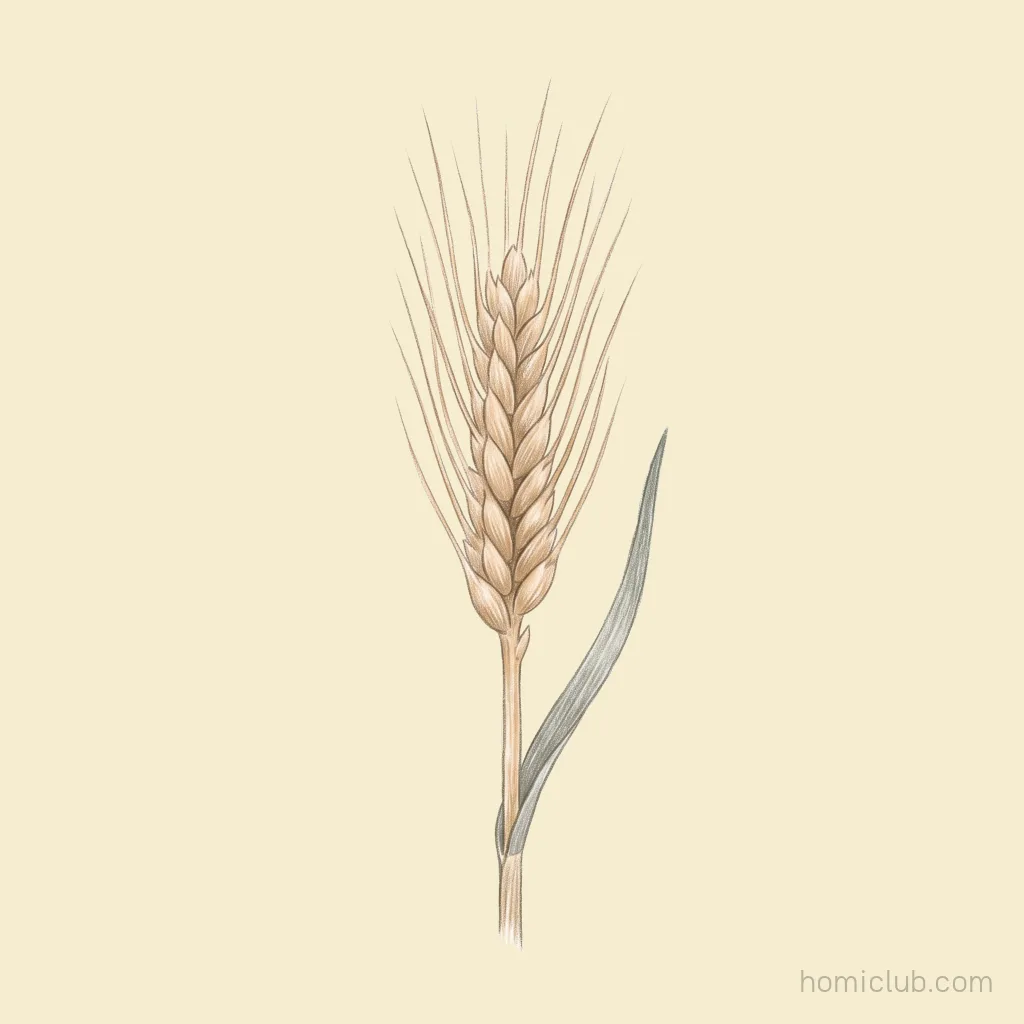
稻是有芒之穀, 故通呼粳糯總謂之稻. 《本草》
Do (稻) is the grain that bears awns, so gaeng and na together are called do. 《Boncho (本草)》
-
糯米性寒, 作酒則熱, 糟乃溫平, 亦如大豆, 豉醬之不同耳. 《本草》
Nami is cold in nature, yet brewed into liquor it is hot, and the lees are warm and neutral, just as the soybean differs from si (豉) and jang (醬). 《Boncho (本草)》
Grains — more entries
This is a cultural and historical record from a classical text, not a claim about any food’s effects. Nothing here is a health supplement or intended to prevent or treat disease. Consult a medical professional about health concerns. · Text: Korean Medicine Classics DB · Reading: Homiclub