
Tangaek — Decoctions · Grains
黃粱米 Nureun Nyangmi (누른 냥미)
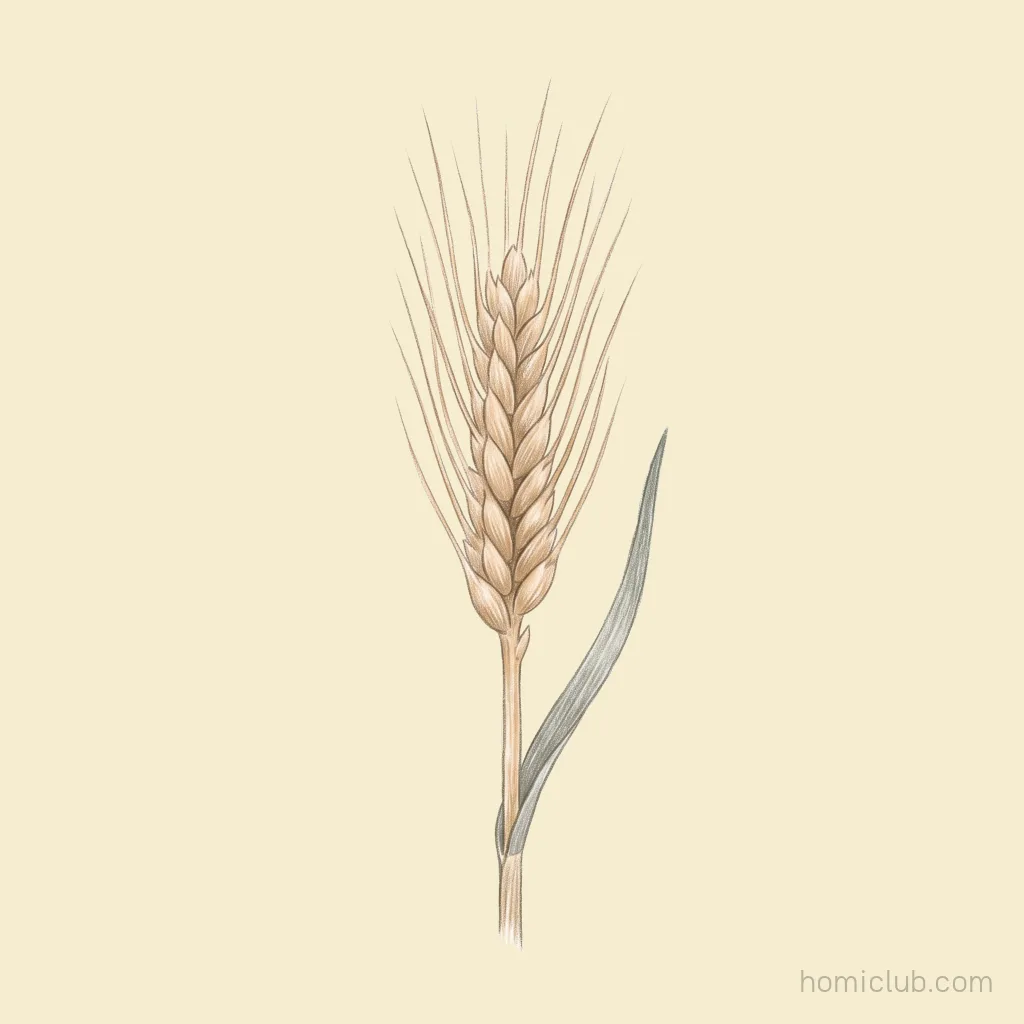
Hwangnyangmi is the yellow, large-grained kind of millet. The Dongui Bogam sorts the grain into three, blue, white, and yellow, and records that the yellow one, prized for its scent and flavor, went by the name jukgeunhwang. Its ears are large and long-bristled, and its grain runs bigger than common millet.
Original, read line by line 東醫寶鑑 · Tangaek — Decoctions vol. 1
-
性平, 味甘, 無毒. 益氣, 和中, 止泄. 《本草》
Its nature is neutral, its taste sweet, and it is non-toxic. It augments qi, harmonises the centre, and stops diarrhoea. 《Boncho (本草)》
HomiclubHwangnyangmi is the large-grained, yellow kind among the yang millets. The old Korean gloss reads nureun nyangmi, and the entries around it, blue-green and white, divide the same grain by colour.
-
靑白粱食之, 不及黃粱, 靑白二種性皆微涼, 獨黃粱性甘平, 豈非得土之中和氣多耶. 《本草》
The blue-green and white yang do not match the yellow for eating: both are slightly cool in nature, while the yellow alone is sweet and neutral. Is this not because it has taken up much of the balanced qi of the earth? 《Boncho (本草)》
-
粱類穗皆大而毛長, 米比粟更大. 黃粱食之, 香美愈於諸粱. 號爲竹根黃. 《入門》
The yang kinds all have large ears with long hairs, and their grain is bigger than that of sok. The yellow yang surpasses the other yang in fragrance and flavour when eaten. It is called jukgeunhwang (竹根黃, bamboo-root yellow). 《Ipmun (入門)》
Grains — more entries
This is a cultural and historical record from a classical text, not a claim about any food’s effects. Nothing here is a health supplement or intended to prevent or treat disease. Consult a medical professional about health concerns. · Text: Korean Medicine Classics DB · Reading: Homiclub