

- Type
- Legumes
- Difficulty
- Easy
- Season
- Spring·Summer
- Sowing
- From seed
Soybean
Glycine max
Protein, isoflavones · the backbone crop of a Korean plot
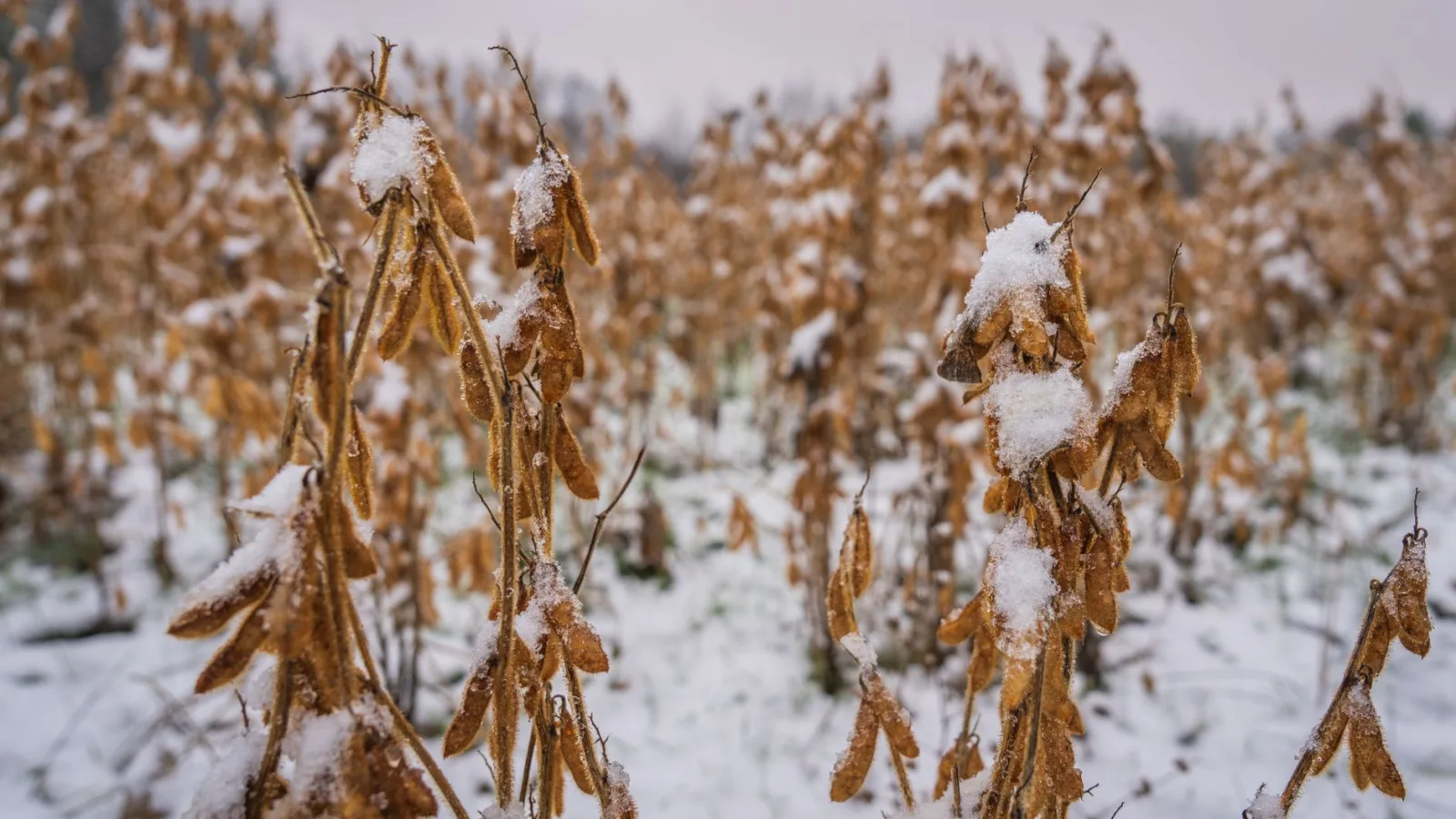
Soybeans are the backbone crop of a Korean vegetable plot. Sow two or three seeds per hole in May or June, and cut the plants in October or November once the leaves have dropped and the pods have dried brown. Rhizobia on the roots fix nitrogen from the air, so heavy nitrogen feeding is unnecessary and in fact pushes the plant into leaf at the expense of pods. The Donguibogam lists the crop in the Grain section as 大豆, giving the white bean a neutral nature and a sweet taste, though some call it salty, with no toxicity. The same entry separates black beans from white, noting that the black go into medicine while the white are simply eaten, and adds that long consumption makes the body heavy.
Year-Round Calendar
- 1
- 2
- 3
- 4
- 5
- 6
- 7
- 8
- 9
- 10
- 11
- 12
- 5
- 6
- 10
- 11
Where It Grows
-
Main producer
The world's largest producer and exporter. The cleared cerrado of Mato Grosso is the heart of it, and being in the southern hemisphere, the harvest coincides with the end of the Korean winter. Harvest January, February, March, April
- 1
- 2
- 3
- 4
-
Main producer
The Corn Belt of the Midwest is the heart of it. It is rotated with maize from year to year. Harvest September, October, November
- 9
- 10
- 11
-
Main producer
The Pampas is the heart of it, and a great deal is processed into oil and meal for export. Harvest April, May, June
- 4
- 5
- 6
-
Origin
The place of origin, domesticated in the Yellow River basin and the northeast. A great deal is still grown, centred on Heilongjiang, but consumption is so large that the country is also the world's biggest importer. Harvest September, October
- 9
- 10
-
Major producer
Grown in Madhya Pradesh and Maharashtra as a monsoon-season crop. Harvest October, November
- 10
- 11
-
Major producer
The eastern plains are the heart of it, and the harvest follows the southern-hemisphere season. Harvest February, March, April
- 2
- 3
- 4
Domesticated in northeastern China and the Yellow River basin, it became a foundation of the East Asian table, and in the twentieth century it crossed to the Americas to become a large-scale crop grown for oil and feed. Today Brazil, the United States and Argentina together produce close to 80 percent of the world's supply. Because the growing regions are split between the northern and southern hemispheres, the harvests fall half a year apart, and no single calendar can hold them.
- Optimum
- 25~30℃
- Range
- 10~35℃
- Hardiness
- Not hardy
- Day length
- Short-day
It is a classic short-day crop, flowering as the days shorten, so the variety has to match the latitude. A southern variety planted in the north flowers late; a northern variety planted in the south flowers before the plant has put on height. Drought at flowering and during pod fill decides the yield.
In Korea Nationwide
Grown throughout the country. Besides being a field crop (batkong, dry-field beans), it is also planted along paddy banks (nondukkong, levee beans); it is sown in May-June and cut in October-November. Those meant to be eaten green, as putkong (young green soybeans), are picked in August-September.
How to grow
- Light
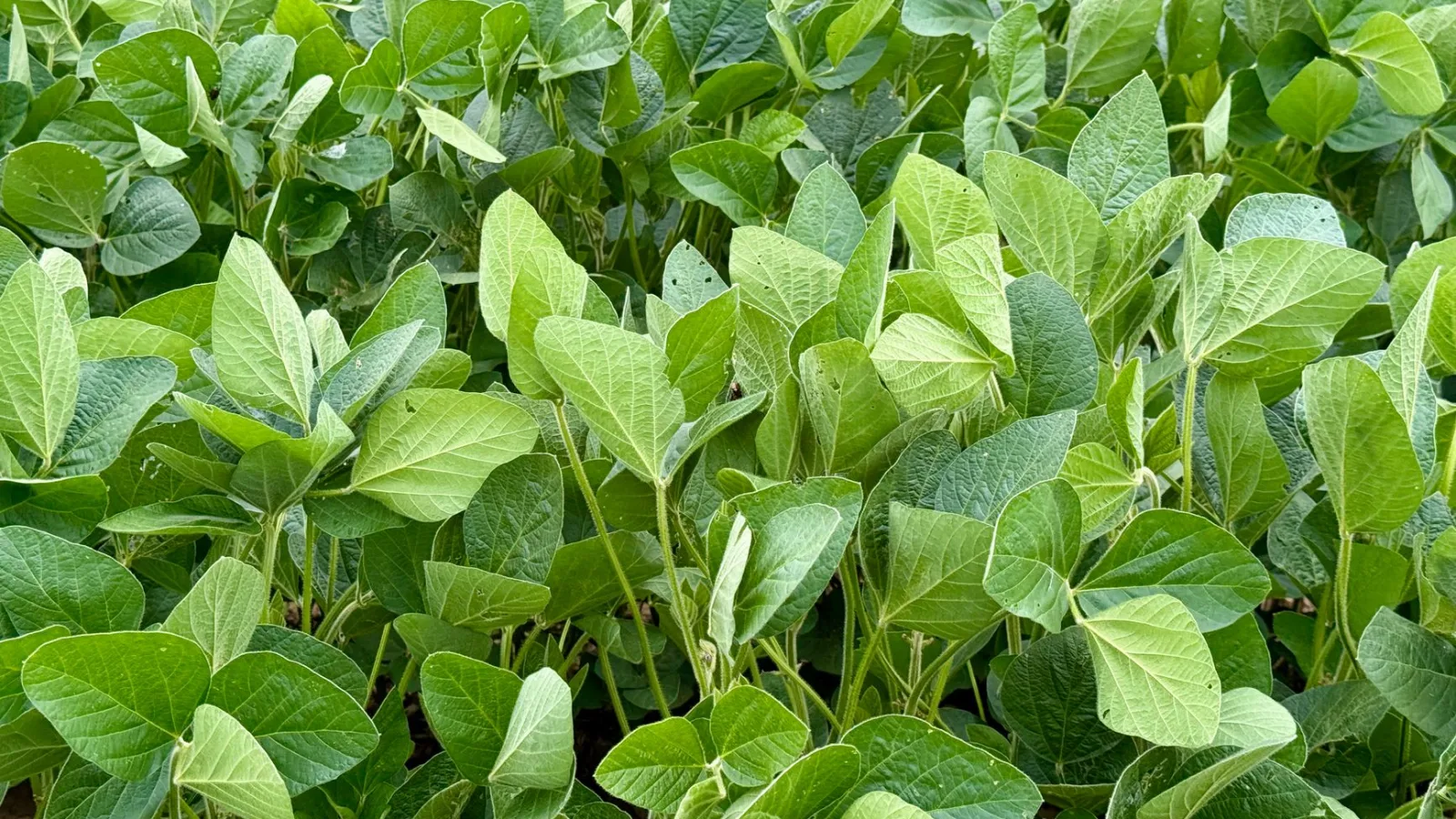
- Six hours of direct sun or more. In shade the plants stretch and fall over
- Soil and depth
- Free-draining field soil at least 20cm deep. Lime strongly acidic ground ahead of sowing
- Spacing
- 20 to 25cm between plants, 60cm between rows. Two or three seeds per hole, thinned later to one or two plants
- Watering
- Do not let the soil dry at flowering or while pods are filling. Those two windows decide the yield
- Feeding
- Rhizobia supply the nitrogen. Base-dress with phosphorus and potassium, and skip side dressing almost entirely
- Harvest
- Cut the plants when the leaves have dropped, the pods have dried brown and the beans rattle. Dry the cut plants a few more days, then thresh. For green soybeans, pick in August or September while the pods are plump
What makes the difference. Pinching out the growing tip at five to seven true leaves adds side branches and keeps the plant short enough to stay upright
Why this one is harder. The days right after sowing are the dangerous ones. Pigeons and magpies pull whole seedlings out, so keep fleece or netting over the row until the shoots reach finger height
Common problems
- Bean bug (Riptortus pedestris) You will see Pods form but the beans never fill, leaving empty husks What to do Hand-collect in the cool of the morning or set a pheromone trap. Watch hardest while pods are filling
- Soybean pod borer You will see Small holes in the pods with a caterpillar inside What to do Pick and discard damaged pods, and clear leftover pods from the plot after harvest
- Aphids You will see Colonies on new shoots and leaf undersides, turning sticky What to do Wash off with a jet of water; if it recurs, use an egg-yolk oil spray or an approved organic product
This page describes how a crop is grown and used. It does not claim health effects for any food, nor is it intended to prevent or treat disease. Component and study notes are references only and do not mean the same result occurs in people. Consult a medical professional about health concerns.
Health Benefits
What the Donguibogam records — nature, taste, black and white beans. The Donguibogam lists soybean in the Grain section as 大豆. It gives the white bean a neutral nature and a sweet taste, notes that some call it salty, and records no toxicity. The same entry divides beans into black and white, saying the black go into medicine while the white are simply eaten, and adds that long consumption makes the body heavy. This is a historical medical record and differs from modern medical judgment.
Isoflavone forms. Analyses report that soy isoflavones are present mostly as glycosides, and that fermentation and heating raise the aglycone share. The same work reports wide variation in total content across cultivars and growing conditions. These are compositional analyses and have nothing to do with preventing or treating disease.
Amino acid profile of soy protein. Studies comparing soy protein with cereal protein report that soy is rich in lysine, which rice and wheat are comparatively short of. It is compositional evidence behind the long practice of eating grains and beans together.
Nutrition
- Protein (about 36g per 100g, dried) — plant protein
- Isoflavones (daidzein, genistein) (mostly present as glycosides) — polyphenols characteristically reported in legumes
- Lecithin (phospholipid) (separated during soybean oil refining) — a phospholipid with emulsifying behaviour
- Fibre and oligosaccharides (raffinose, stachyose and others) — sugars fermented in the large intestine
Protein and amino acid profile Dried soybeans carry roughly 36g of protein per 100g, an order apart from cereal grains. Their amino acid profile is high in lysine, which rice and wheat are comparatively short of. That is why rice cooked with beans, or a meal built around both, lands on a balanced profile. The balance only holds for beans that have been cooked through.
Isoflavones Soy isoflavones occur mostly as glycosides such as daidzin and genistin. Analyses report that fermentation into doenjang or cheonggukjang, and heating, cleave off the sugar and raise the aglycone share. Total content varies widely with cultivar and growing site. This entry stays with the compositional record.
Fat and linoleic acid Soybeans run around 18g of fat per 100g, with a high share of linoleic acid. What remains after pressing the oil is soybean meal, and refining separates out lecithin, a phospholipid. All that fat means stored beans eventually turn rancid. Keep dried beans cool and dry, and use them within the year.
Oligosaccharides and fibre Soybeans contain raffinose and stachyose. Human digestive enzymes cannot break these down, so they reach the large intestine intact and gut bacteria ferment them. That is the source of the gas that follows a large helping of beans. Discarding the soaking water before cooking removes a good share of them.
Pairings
○ Rice and mixed grains — Beans cooked into rice is a case of two amino acid profiles covering each other. The beans supply the lysine rice lacks, and the grain adds the sulphur amino acids the beans are short of. Soak dried beans at least five hours before adding them to the pot.
○ Fermented into doenjang or cheonggukjang — Fermenting cooked beans breaks the protein into shorter chains and strips the sugar from isoflavone glycosides. It also builds a great deal of savoury depth. It remains the longest-keeping way to use a plot's soybean harvest.
○ Kelp — A piece of dried kelp in the pot is a long-standing habit when boiling soybeans. It lends savour and keeps the cooking water from tasting flat. Lift the kelp out once the beans are done. Kelp
△ Never eat raw beans or under-boiled soy milk — Raw soybeans carry trypsin inhibitors and lectins (haemagglutinin), so chewing raw beans or drinking under-boiled soy milk brings on nausea, vomiting, diarrhoea and stomach pain. Thorough heating strips both compounds of their activity. Soak the beans, discard the soaking water and boil them until soft; with home-ground soy milk, turn the heat down and keep it boiling for several more minutes after the foam has risen. That first surge of foam is easily mistaken for a finished pot, and cutting the heat there leaves the milk under-cooked. Dishes built on whole beans deserve an extra check that the centre is done.
△ Soy allergy - a declarable allergen — Soybean is a declarable allergen, named on processed food labels by law in Korea and the EU alike. Anyone with a soy allergy should avoid beans and the foods made from them. Soy-based foods are everywhere - tofu, soy milk, doenjang, soy sauce, soybean oil - so read the allergen line on the label first. Heating and fermentation do not remove all of the proteins that cause the reaction. Start a child on a small amount and watch the response, and where soy allergy runs in the family, seek medical advice before the first taste.
Varieties
- Daewon-kong (seed) — The standard cultivar for doenjang and tofu. Large, even beans
- Taegwang-kong (seed) — A widely grown yellow soybean. Straightforward to raise
- Seoritae (seed) — Black skin over a green interior. Cooked into rice
- Jwinuni-kong (seomoktae) (seed) — Very small beans. The black-bean line of the old records
Source: Donguibogam, Grain Section 大豆 · Rural Development Administration (Nongsaro) · Korean Food Composition Table
Stories about Soybean
One More Bean Meal, and Farmland to Spare
A global move toward healthier eating would shrink herds, free up feed and grazing land, and cut land-conversion emissions by as much as 85% by 2050. The same logic scales down to one row of beans in a backyard plot.
They're Making Amino Acids from Carbon Dioxide. So What Happens to the Beans in Your Garden?
A lab in Munich is using solar electricity to turn carbon dioxide into amino acids — protein grown without soil or a field. Until that scales up, the job still belongs to the pods swelling in your August garden, and they need water now.
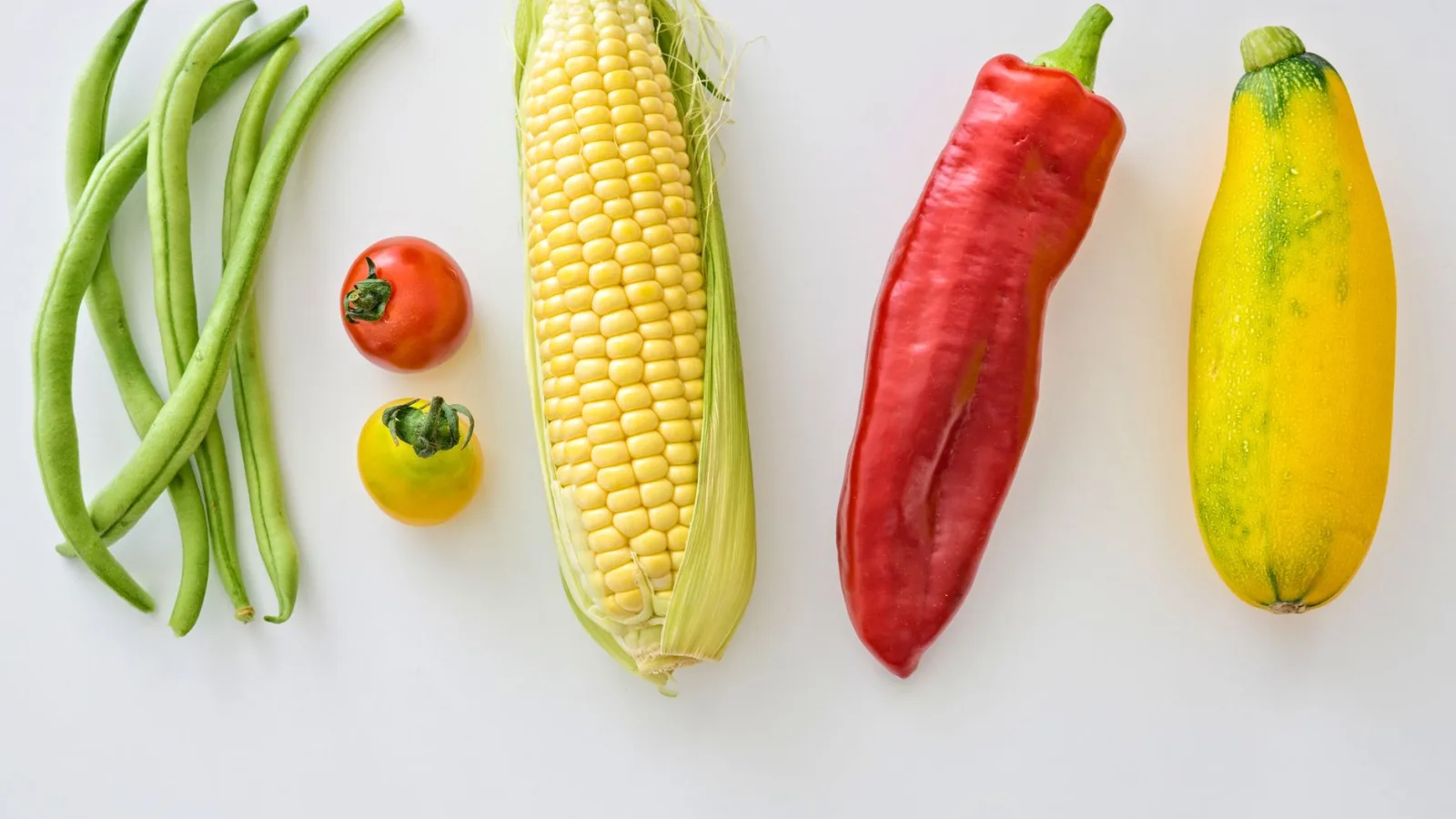
Corn, Beans, and Squash: The Three Sisters Set the Table
The milpa — corn, beans, and squash grown together in one bed — has fed Mexico and Central America for thousands of years, and the same trio grows in Korean home gardens. Research suggests the plant-forward meals it produces may help ease the inflammation, oxidative stress, and gut imbalances tied to obesity.