

- Type
- Leafy Greens
- Difficulty
- Hard
- Season
- Fall
- Sowing
- Transplant
Napa Cabbage (Baechu)
Brassica rapa subsp. pekinensis
Vitamin C and dietary fiber - the heading autumn cabbage of kimjang
This entry covers the heading form of napa cabbage: the autumn cabbage grown for kimjang, the annual kimchi-making. Seedlings go into the ground between late August and early September and the crop is cut in November, the leaves curling inward layer over layer until the head is dense. The open-leaf form, which winters in the field and never heads, has its own entry under bomdong. The outer leaves are deep green; the inner ones, kept from the light, are pale yellow. Salting the cabbage, pressing out the water and packing seasoning between the leaves is this vegetable's largest use, though it also goes into soups, savory pancakes and wraps. As a leafy green it carries vitamin C and dietary fiber, along with glucosinolates, the sulfur compounds characteristic of the cabbage family. The Donguibogam lists it in its vegetable section under the name 菘菜 (sungchae), writing it down as the vegetable most commonly eaten of all.
Year-Round Calendar
- 1
- 2
- 3
- 4
- 5
- 6
- 7
- 8
- 9
- 10
- 11
- 12
- 8
- 9
- 11
Where It Grows
- Origin In North China the turnip line and the leaf-vegetable line met, and the heading type took hold there. It still supplies most of the world's napa cabbage, centred on Shandong and Hebei.
- Main producer Consumption is concentrated around kimjang, so the autumn crop is the largest by volume; summer is carried by the highlands (cool upland farming country) of Gangwon, and winter by Jeju and Haenam.
- Major producer It is called hakusai here, with Ibaraki taking autumn and winter and the Nagano highlands taking summer.
After the heading type took hold in North China, it reached Korea and Japan between the late 19th and the early 20th century, diverging into kimjang cabbage (grown for the annual winter kimchi-making) and hakusai respectively. Production and consumption are concentrated in the three countries of East Asia, and elsewhere amount to no more than small-scale growing aimed at Asian communities. The FAO counts napa cabbage together with cabbages, so it is difficult to pull out a ranking for napa cabbage alone.
- Optimum
- 18~20℃
- Range
- 5~25℃
- Hardiness
- Half-hardy
This is a cool-climate crop. Above 25℃ the heads fail to fill and soft rot becomes more common, while once a head has filled it will take a light frost and actually turns sweeter for it. Young seedlings held for long spells below 13℃ will bolt, which makes spring cultivation difficult.
In Korea Nationwide
Autumn kimjang cabbage is the mainstay, with summer carried by the Gangwon highlands and winter by the overwintering cabbage (left standing in the field through the cold months) of Jeju and Haenam. Transplanting dates vary from region to region, differing by more than a month.
- 5
- 6
- 7
- 8
- 9
- 8
- 11
- 8
- 9
- 11
- 12
- 9
- 10
- 1
- 2
- 3
How to grow
- Light
- Somewhere sunny
- Soil and depth
- 30cm deep or more. It drinks a lot, so it needs the volume
- Spacing
- 40cm. Too tight and the head will not fill
- Watering
- Plenty. If it dries while heading, you get no head at all
- Feeding
- A generous base dressing, then feeds at three and six weeks after planting out
- Harvest
- Press the head; firm means ready. For kimjang, wait for two frosts and it sweetens
What makes the difference. Plant out late August in the centre of the country, early September further south. Miss that window and it will not head
Why this one is harder. Success is the head filling, and if the timing, the water or the caterpillars go wrong you get leaves and nothing else
Common problems
- Cabbage white caterpillars You will see Large holes, then they bore into the heart What to do Net it from the day you plant out. Once they are inside you cannot reach them
- Soft rot You will see The base goes mushy and smells What to do Raise the bed so water drains. Pull affected plants at once
This page describes how a crop is grown and used. It does not claim health effects for any food, nor is it intended to prevent or treat disease. Component and study notes are references only and do not mean the same result occurs in people. Consult a medical professional about health concerns.
Health Benefits
A crucifer that carries glucosinolates. Napa cabbage is a cruciferous vegetable like cabbage and radish, and composition analyses confirm that it contains glucosinolates along with their breakdown products, the isothiocyanates. Research on cruciferous vegetables continues, but that is not to say eating this vegetable holds off any particular disease.
Dietary fiber. It is established that dietary fiber passes undigested to the large intestine and adds bulk there. That is not to say eating this vegetable makes any particular symptom go away.
Vitamin C at the winter table. Napa cabbage is a leafy green carrying vitamin C, and kimjang was the way this vegetable was put up all at once for a winter when fresh leaves were hard to find. That is its place as a seasonal ingredient, and there is no ground to claim more.
What is established about fermented kimchi. It is established that kimchi is a lactic-acid fermented food and that lactic-acid bacteria grow during fermentation, bringing sourness and aroma. Studies of what happens when people eat kimchi vary in their conditions and their results, so what can be said at present stops at the fermentation itself.
Nutrition
- Vitamin C (Abundant) — Water-soluble, so it falls during salting and long boiling
- Glucosinolates (Cabbage-family compound) — The sulfur compounds characteristic of the Brassicaceae
- Dietary fiber (Abundant) — A structural component of the outer leaf and the white rib
Glucosinolates & isothiocyanates Napa cabbage contains glucosinolates, the sulfur compounds common to the Brassicaceae. When a leaf is cut or chewed they meet an enzyme and break down into isothiocyanates, which is where the sharp smell characteristic of the cabbage family comes from. Cell and animal work on cruciferous vegetables continues to accumulate, but whether the same results appear when a person eats napa cabbage is a separate question.
Vitamin C As a leafy green, napa cabbage carries vitamin C. It dissolves readily in water, so it falls while the cabbage is salted and rinsed, and again during long boiling. Its place is the Korean winter table, in a season when fresh leaves are hard to come by.
Vitamin K, folate & potassium Vitamin K, folate and potassium are all present. The basic nutrients of a leafy vegetable are evenly distributed, so a single dish brings several micronutrients together.
Dietary fiber The outer leaves and the white ribs hold plenty of dietary fiber, which passes undigested to the large intestine and adds bulk there. Napa cabbage is bulky for its calorie count, which is why it turns up in dishes that use a great deal of it at once, such as soups and hot pots.
Salting and fermentation Napa cabbage holds a lot of water, so salting draws that water out and wilts the leaves. Water-soluble compounds leave with it during salting and rinsing, and once the cabbage is packed away lactic-acid bacteria grow, bringing up sourness and aroma. Kimjang is this salting and fermenting done all at once, in a year's worth.
Pairings
○ Gochugaru (chili powder) and jeotgal (salted seafood) — Chili powder and jeotgal form the backbone of kimjang seasoning, packed layer by layer between the leaves of the salted cabbage. The savory depth of the jeotgal and the heat of the chili powder fill in where the salted leaf is plain.
○ Korean radish (mu) — Shredded radish goes into the kimjang stuffing. The broad leaves of the cabbage and the crisp grain of the radish build up in layers inside a single head, and the water the radish gives off spreads the seasoning evenly. Korean Radish (Mu)
○ Boiled pork (bossam) — Bossam - boiled pork wrapped in a salted cabbage leaf or in freshly made kimchi - is the table of the kimjang season. The salt and sourness of the cured leaf stand in contrast to the richness of the meat.
○ Perilla seed and sesame oil — Ground perilla seed or sesame oil goes into cabbage soup and into seasoned cabbage. The fat-soluble compounds in the leaf come out more readily when eaten with oil, and the nutty aroma props up a mild flavor. Perilla (Deulkkae)
○ Doenjang and ugeoji (dried outer leaves) — The outer leaves left over from kimjang are dried into ugeoji and boiled into a soup with doenjang, fermented soybean paste. The salt and umami of the paste lift the sweetness of the cabbage, and nothing of the head goes to waste.
○ Glutinous rice paste — Kimjang seasoning is bound with a paste cooked from glutinous rice or wheat flour. The paste thickens the seasoning so it clings evenly to the leaves, and it feeds the lactic-acid bacteria in the early stage of fermentation.
△ Hygiene while salting for kimjang — Water, hands and vessels are in constant contact with the cabbage while it is salted and rinsed. Do not reuse the brine, and season the cabbage as soon as it has drained. Wash any knife or board that has handled raw seafood before it touches the cabbage, and do not leave finished kimchi at room temperature for long - ripen it somewhere cool, then refrigerate it.
△ Cruciferous allergy — Napa cabbage is a cruciferous vegetable. Anyone who has had hives or an itching mouth from cruciferous vegetables such as cabbage, broccoli, mustard greens or radish should try napa cabbage in a small amount first. If symptoms appear, stop eating it at once and see a doctor.
△ Anticoagulants and vitamin K — Napa cabbage contains vitamin K. Anyone taking an anticoagulant such as warfarin should keep intake steady rather than suddenly increasing or decreasing it. Hold the amount especially even through a season like kimjang, when one vegetable gets eaten in quantity, and talk to the prescribing clinician before changing the diet.
△ Heads with soft rot — A head whose base has gone mushy and smells belongs neither in the salting tub nor in the kimchi. Do not cut away the soft part and use the rest - discard the whole head. In the field too, pull an affected plant at once so it does not spread to its neighbours.
Varieties
- Mid-season autumn (kimjang) types — Planted out in late August, cut in November; the head packs tight
- Spring-grown types — Sown in spring and cut in early summer, before the flower stalk rises
- Small-headed types — Compact heads, sized to be trimmed and used up in one go
Source: Food and Nutrition Information
Stories about Napa Cabbage (Baechu)
Red, Hard-Packed Garden Soil? Add a Handful of Charcoal to Your Compost
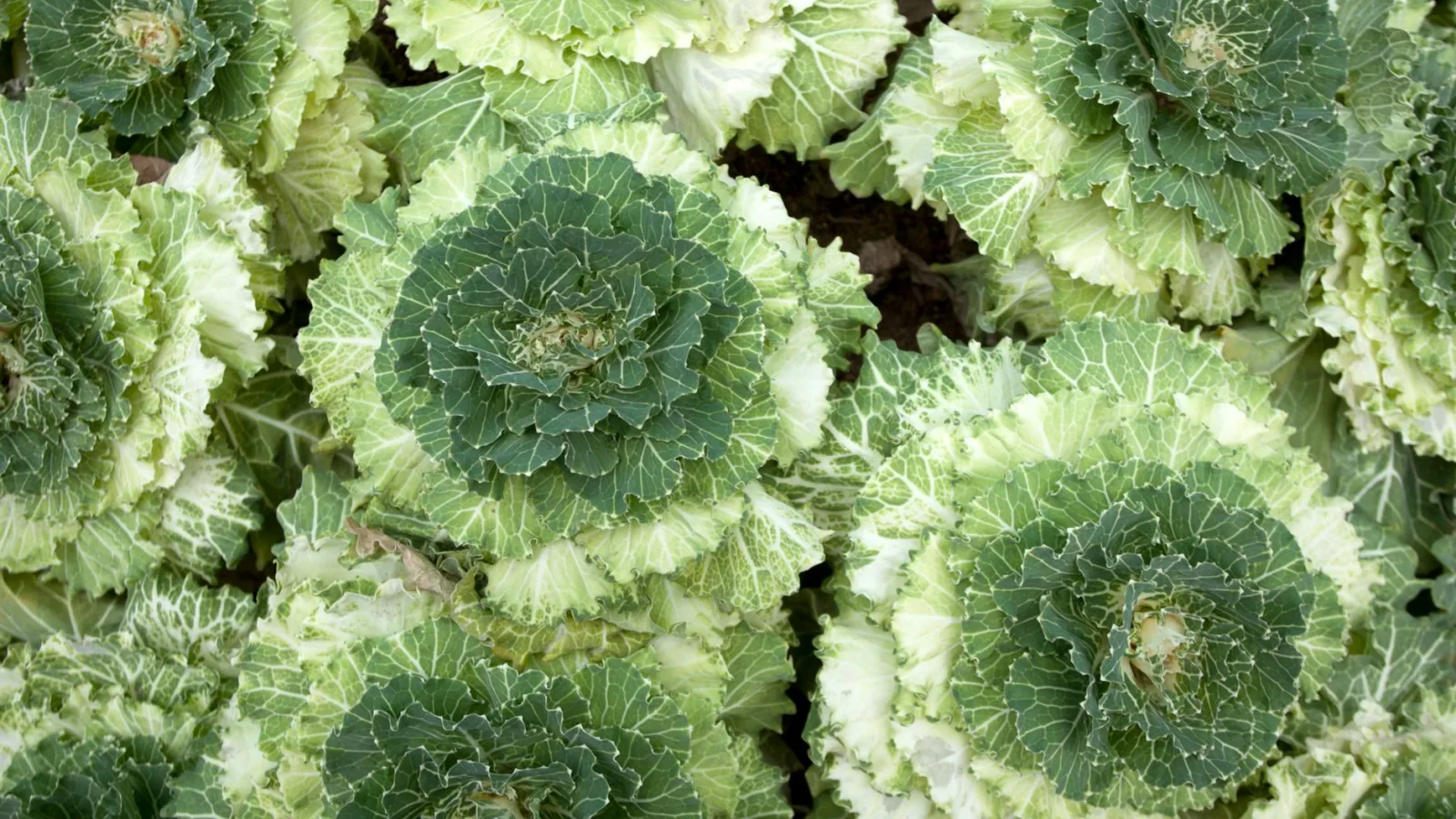
When garden soil turns red, hard and sour, extra fertilizer often doesn't help. A study of rapeseed grown in acidic red soil found that adding compost and biochar raised pH, increased organic matter and changed the bacteria living around the roots.
Peppery Brassicas: The Forgotten Cousins of Cabbage and Radish
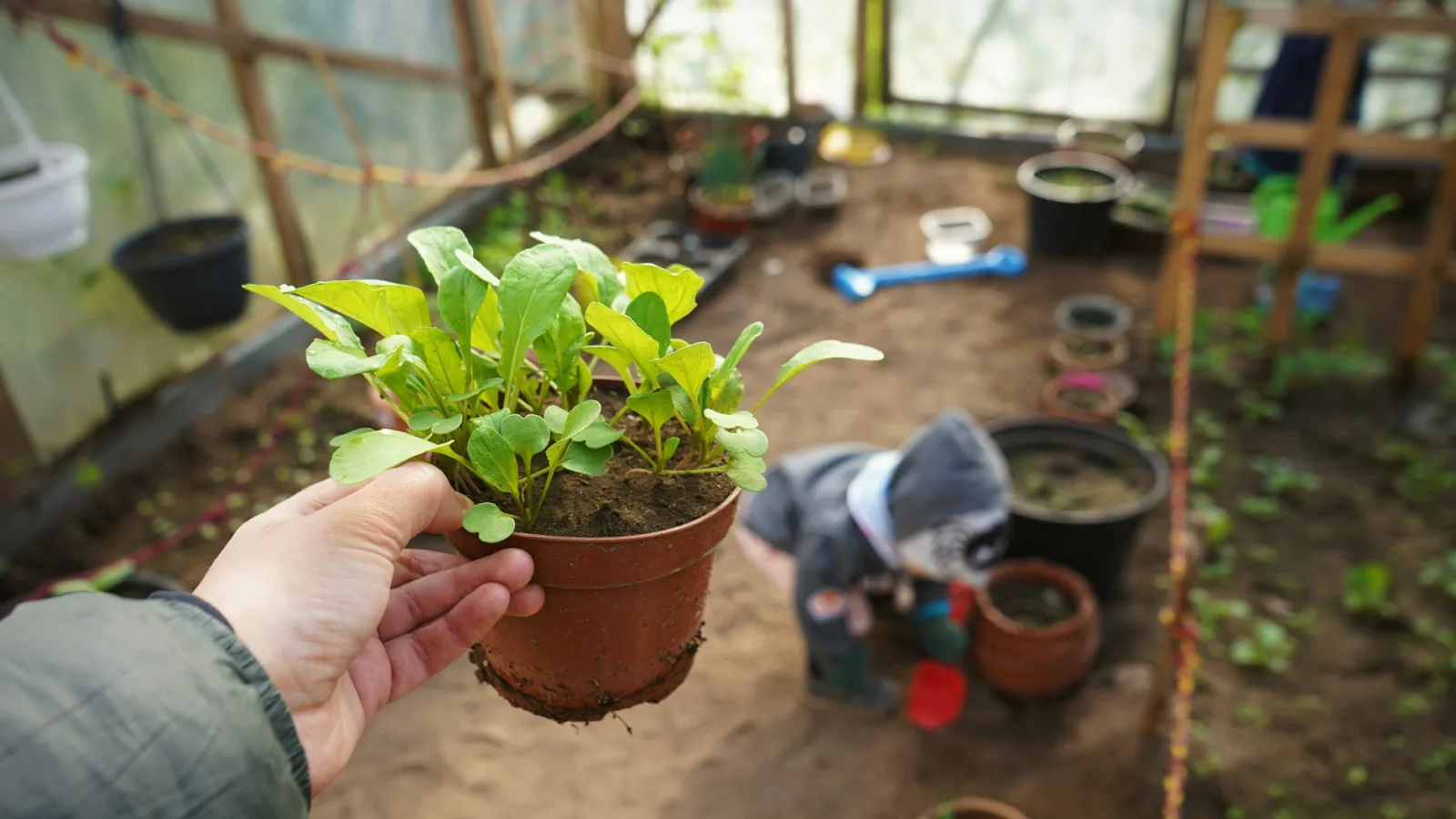
Napa cabbage and radish are just two members of a family that runs more than 3,000 species deep, and the peppery cousins we rarely plant are often the tougher ones. Here's why one row of gat or arugula earns its place in your fall garden.
The Cabbage That Never Closes: What Bomdong Does All Winter
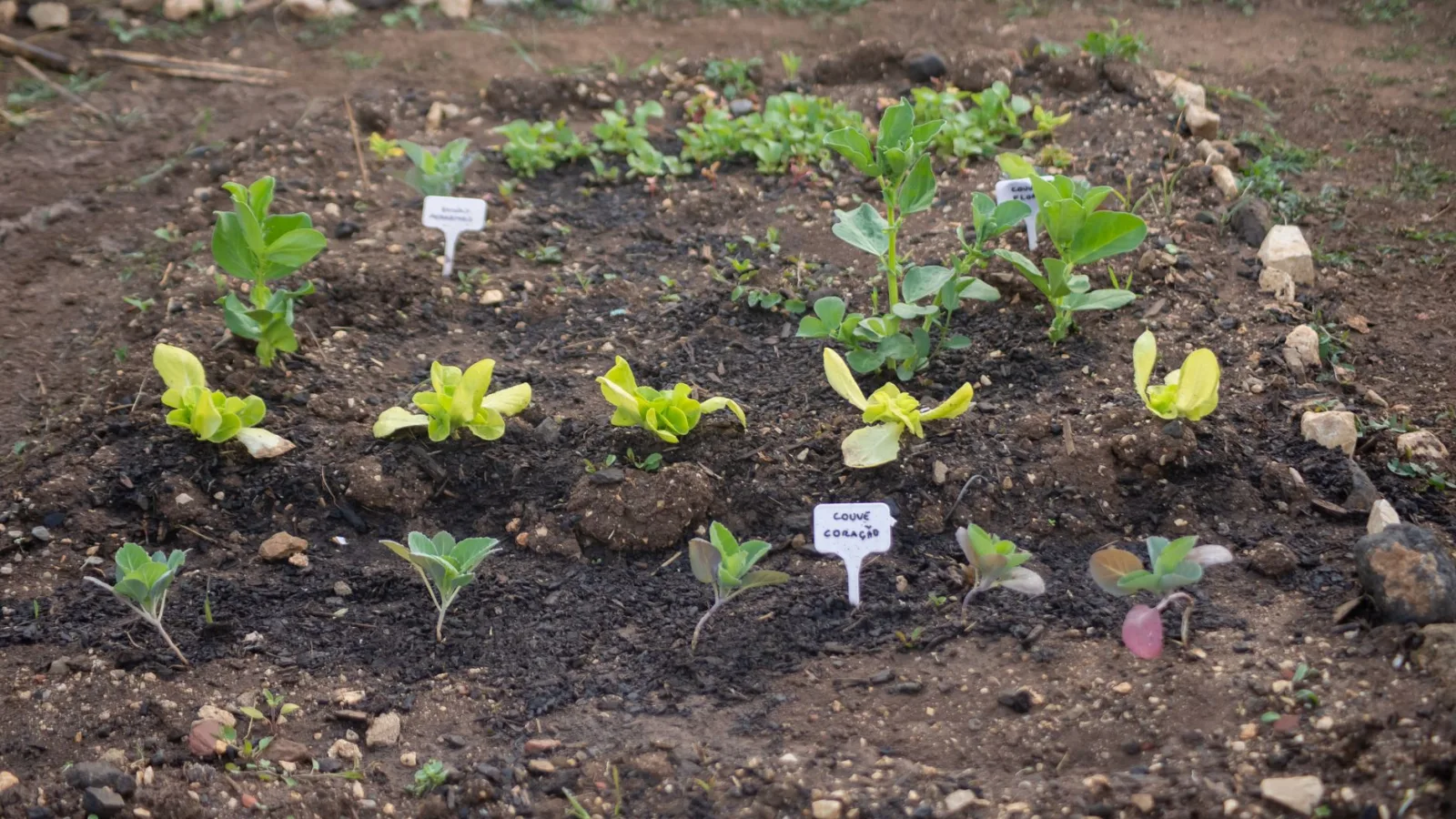
Bomdong is Korean spring cabbage sown in autumn and harvested at winter's end, spreading flat rosettes instead of packing a head. The cold is what makes it sweet — and a quick hand in the kitchen is what keeps it that way.
When Soil Runs Low on Sulfur, Vegetables Cut Their Defenses First
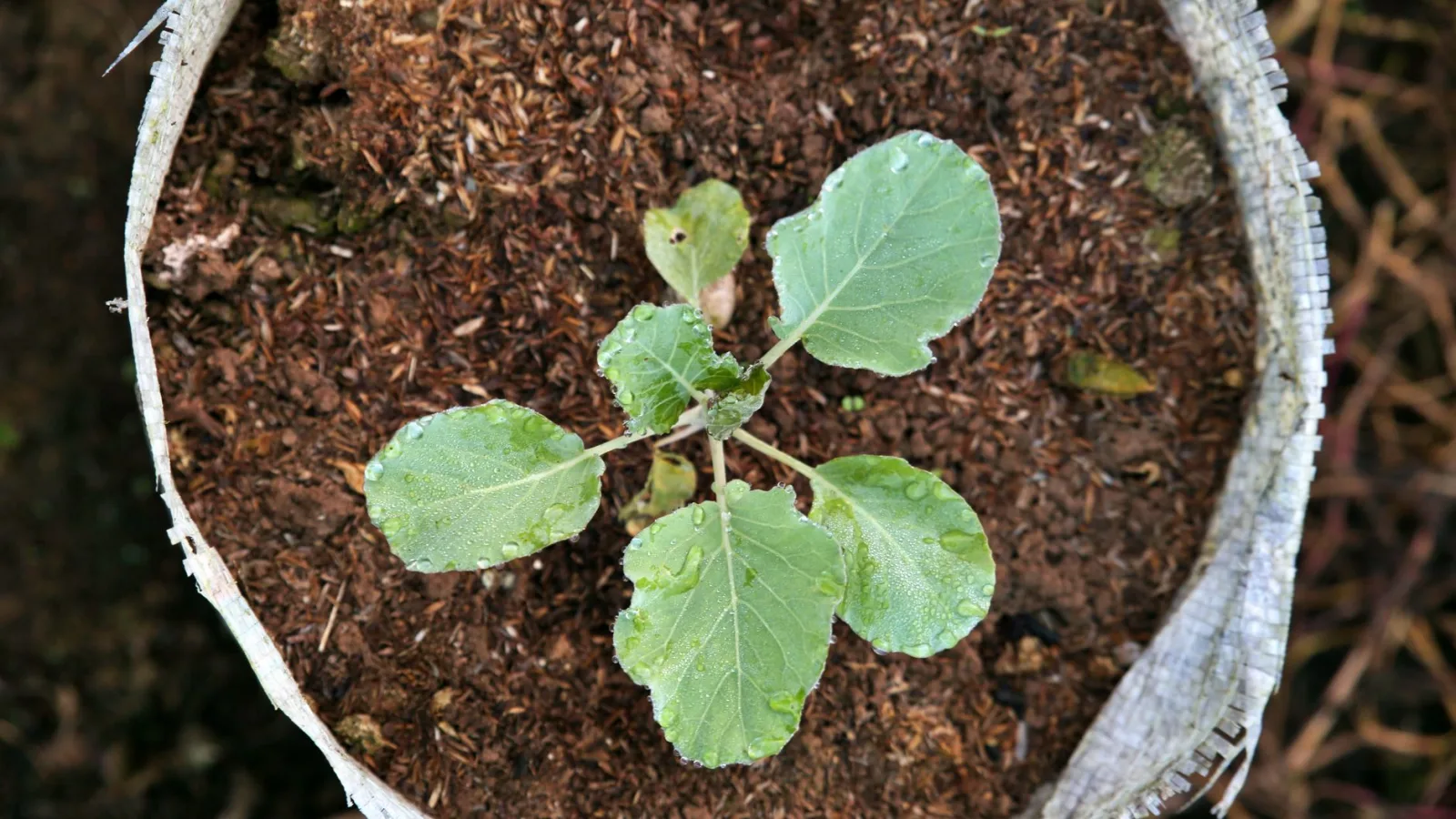
Sulfur has quietly drained out of our soils since air-pollution rules cut acid rain, and vegetables short on it dial down the chemical defenses that also give them their flavor. If the newest leaves on your plants look pale, it's time to work some sulfur into the bed.