- Type
- Grains
- Difficulty
- Moderate
- Season
- Spring
- Sowing
- From seed
Hemp
Cannabis sativa
Protein and gamma-linolenic acid · the hulled seed
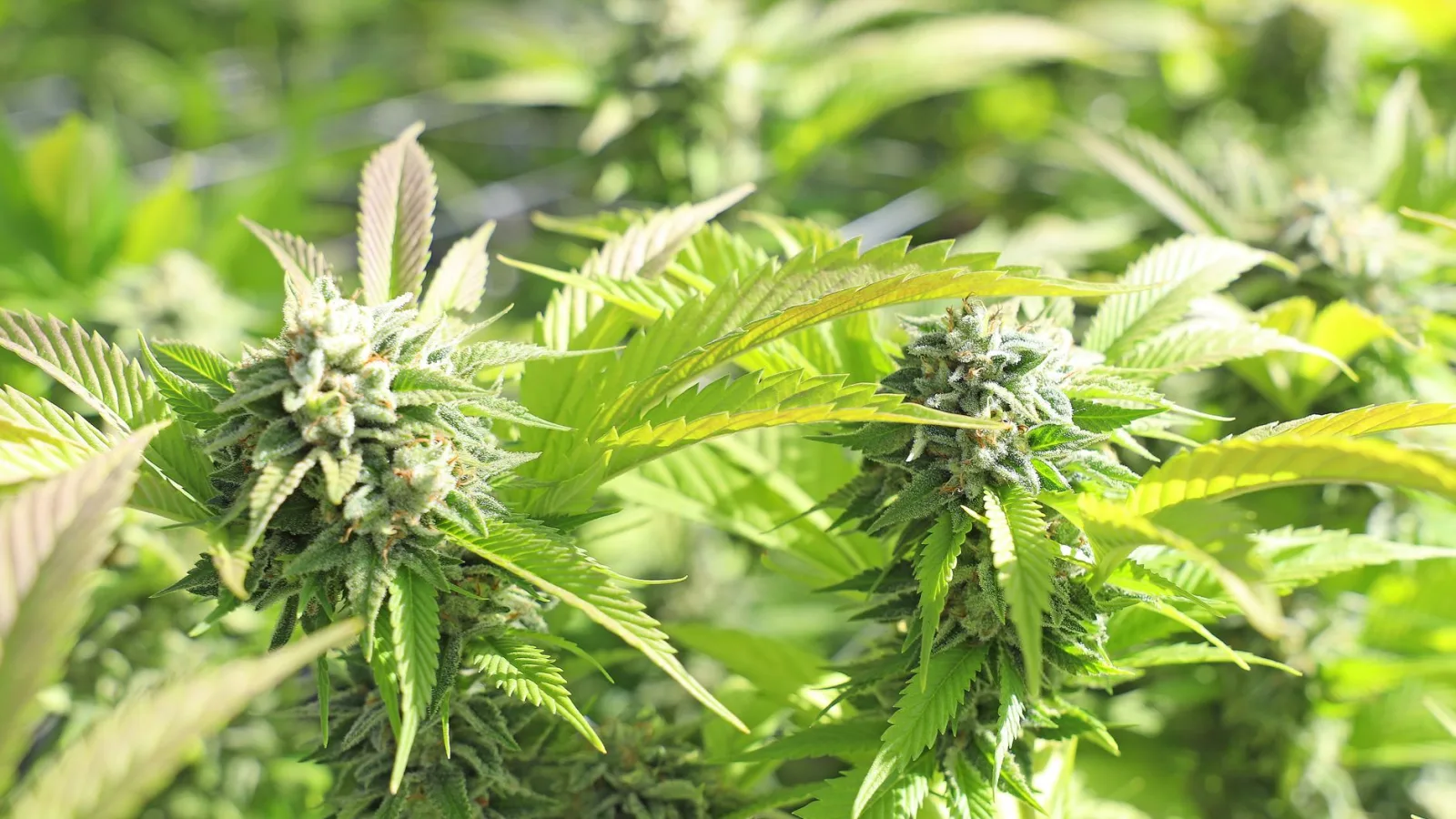
The seed sitting in the nut aisle as hemp seed is the kernel of the hemp seed with its hard outer shell taken off. It tastes nutty, close to a pine nut, and gets scattered over salad or yogurt. Hemp was long grown in Korea for the fibre that becomes hemp cloth, but planting it today requires a licence, so it is not a plot crop. The Act on the Control of Narcotics regulates cannabis and its resin while leaving out the seed, the root, the mature stalk and products made from them, and that exclusion is why hulled seed can be sold as food. The Donguibogam lists it in the Grain section as maja and records the Korean name as sampsi. Its handling note survives intact: the shell is so hard to remove that the seed was soaked two or three days until the shells split, dried in the sun, then rubbed on a fresh roof tile so the kernels could be picked out. Analyses report a seed high in protein and fat, with linoleic acid dominating the fatty acids and gamma-linolenic acid present alongside it. All that fat means it goes rancid if left out, so once the bag is open it belongs sealed in the refrigerator.
Year-Round Calendar
- 1
- 2
- 3
- 4
- 5
- 6
- 7
- 8
- 9
- 10
- 11
- 12
- 4
- 5
- 8
- 9
Where It Grows
- Main producer Heilongjiang, Yunnan and Anhui are the main areas, and the country has the largest area under fiber hemp in the world.
- Main producer The largest growing area in Europe. The Aube and Champagne region is the center, and fiber and seed are harvested together.
- Major producer Grown for edible seed on the prairies, in Manitoba and Saskatchewan among others, and a leading exporter of hulled hemp seed.
- Major producer Industrial hemp growing reopened in 2018, and the crop is now raised in a number of states including Colorado and Montana.
- Historic source Long grown for weaving hemp cloth, with Andong in North Gyeongsang the best-known area. Today only small amounts are grown, on permitted plots.
Its origin appears to lie in a belt reaching from Central Asia to the northern side of the Himalaya, and cannot be pinned to any single country. It was grown across Eurasia for a long time for fiber and oil; in the 20th century regulation cut cultivation off, and since then a growing number of places have opened it up again, though only for fiber and seed varieties. As a result, today's map of growing regions is divided less by climate than by rules that differ from country to country. In Korea it cannot be planted without a permit, so no domestic planting calendar is given here.
- Optimum
- 18~27℃
- Range
- 8~32℃
- Hardiness
- Not hardy
- Day length
- Short-day
An annual that grows through a single temperate summer. It germinates at 8~10℃, grows straight and tall at 20~25℃, and dies at the first frost. It is a classic short-day crop, flowering in late summer as the days shorten, so even one and the same variety will flower at a very different time, and reach a very different height, when grown at a different latitude.
How to grow
- Light
- Not a plot crop. It may only be planted on licensed ground, where it grows straight up in an open field in full sun
- Soil and depth
- It grows in deep, free-draining field soil. In no case is it planted in a pot or a plot without a licence
- Spacing
- Seed crops are spaced wide; fibre crops for cloth are sown thick so the stalks run straight and tall
- Watering
- Field-grown on rainfall. Standing water during the rainy season damages the roots
- Feeding
- Compost as a base dressing. For anyone buying it as food this is not a concern
- Harvest
- Check the label for the word hulled. Choose seed that is pale, even in size and recently dated. Leave anything without a food category, an origin and a manufacturer on the shelf
What makes the difference. Buy a small bag and use it within a few weeks rather than stocking up. Seal and refrigerate once opened, and grind only what you are about to use
Why this one is harder. Hemp cultivation in Korea is licensed under the Act on the Control of Narcotics. Sprouting seed bought as food counts as cultivation, so do not do it. This entry covers only the hulled seed and its oil as bought in a shop
Common problems
- Rancidity You will see A smell like paint on opening the bag, or a bitter edge on chewing What to do The fat content spoils fast at room temperature. Discard anything that smells off, and seal and refrigerate or freeze the rest
- Pantry moths and weevils You will see Webbing inside the bag, or small insects moving in it What to do Pantry insects chew straight through packaging. Decant into a sealed container and keep it in the refrigerator
This page describes how a crop is grown and used. It does not claim health effects for any food, nor is it intended to prevent or treat disease. Component and study notes are references only and do not mean the same result occurs in people. Consult a medical professional about health concerns.
Health Benefits
The old record — maja (麻子). The Donguibogam lists it in the Grain section as maja and records the Korean name as sampsi. It sets down a neutral nature (cold by another account), a sweet taste and no toxicity. It separates two sowings: seed planted in early spring, called chunmaja, is small and carries toxicity, while seed planted in late spring, chumaja, is the one preferred for medicine. It adds a prohibition against eating much of it. The handling note is recorded as well: the shell is very hard to remove, so the seed was soaked two or three days until the shells split, dried in the sun, and rubbed on a fresh roof tile to pick out the kernels. This is a historical medical record and differs from modern judgment.
Analyses of the seed oil profile. Repeated analyses of hemp seed oil report linoleic acid as the largest fraction, with alpha-linolenic and gamma-linolenic acid both present. The same work records how quickly the oil oxidises given the high share of unsaturated fat. This is an analysis of composition and has nothing to do with preventing or treating disease.
Nutrition
- Protein (edestin) (around 30g per 100g, hulled) — the storage protein of the seed
- Fat (45 to 50g per 100g, hulled) — mostly unsaturated fatty acids
- Gamma-linolenic acid (part of the fatty acid profile) — one of the omega-6 fatty acids
- Magnesium (comparatively high in the hulled seed) — one of the minerals
A seed high in protein Hulled hemp seed runs around 30g of protein per 100g, high among seeds. Analyses report that the storage protein edestin accounts for a large share of it. That profile is why it sits in the nut aisle rather than the grain aisle.
Fat and fatty acid profile The hulled seed carries 45 to 50g of fat per 100g, most of it unsaturated. Linoleic acid, an omega-6, leads the profile, with gamma-linolenic acid and the omega-3 alpha-linolenic acid both present. A high share of unsaturated fat also means it oxidises quickly.
Storage is the quality With that much fat it turns rancid if left at room temperature. Once opened, decant it into a sealed container in the refrigerator, or freeze it if you bought a lot. A bitter taste or a smell like paint means it has gone; throw it out.
Check whether it is hulled Hulled seed is comparatively high in magnesium. Because the shell has been taken off, it carries less dietary fibre than seed eaten whole. Before comparing a composition table, check whether the figures are for hulled or whole seed.
Pairings
○ Scattered over yogurt or salad — Hulled hemp seed goes on as it is, unroasted. It tastes nutty, close to a pine nut, and the kernel is soft enough to eat without effort. A rounded spoonful is plenty.
○ Misugaru and smoothies — Ground in, it adds a nutty depth without leaving grit. Ground seed oxidises fast, so grind it as you need it.
○ Dressings — hemp seed oil — Hemp seed oil has a low smoke point and oxidises easily, so it belongs in dressings and cold dishes rather than a frying pan. Refrigerate it once opened and use it within a few months.
△ Growing it without a licence — Planting hemp in Korea requires a licence under the Act on the Control of Narcotics. Sprouting seed bought as food counts as cultivation. Do not put it in a plot or a pot. Even for weaving cloth or harvesting seed, the licence from the responsible authority comes first.
△ Leaf and flower are not food — What the law leaves outside its scope is the seed, the root, the mature stalk and products from them. Leaf and flower, and anything extracted from them, are not food and are not to be handled. What the shop sells as hemp seed is the hulled kernel.
△ Unlabelled imports — Food-grade hemp seed sold in Korea is held to compositional limits and carries a manufacturer and an origin on the label. Direct overseas purchases and unlabelled products may never have passed that check, so do not buy them. It is a fatty seed, and a large helping at once can sit heavily, so start with about a spoonful.
Varieties
- Hulled seed (processing) — The kernel with the hard shell removed. This is what the nut aisle sells. Not a cultivar but a processing form
- Whole dried seed (processing) — The seed with its shell still on. The shell is hard enough that it does not chew well as is. Again a processing form
- Hemp seed oil (processing) — Pressed from the seed. Low smoke point and quick to oxidise, so it belongs in dressings rather than a hot pan
- Fibre lines (line) — The old lines grown for the stalk fibre that becomes hemp cloth, carried on under licence in Andong and elsewhere
Source: Donguibogam, Grain Section 麻子 · Act on the Control of Narcotics (Republic of Korea)