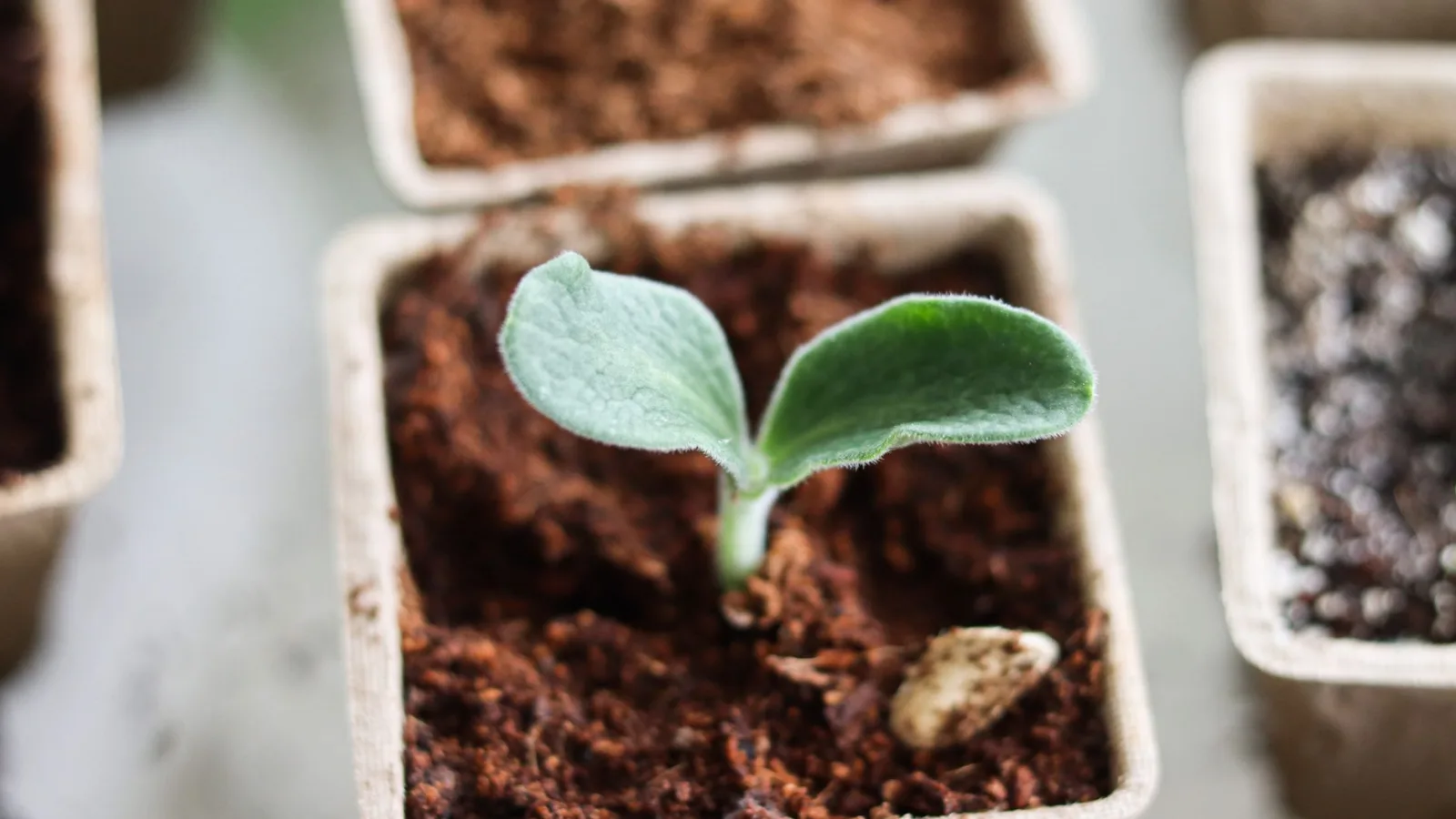
- Type
- Legumes
- Difficulty
- Moderate
- Season
- Summer·Fall
- Sowing
- From seed
Small black soybean
Glycine max
Anthocyanins and isoflavones · the small-seeded black soybean
Small black soybean is exactly that: a very small, black soybean. The Korean name says it looks like a mouse's eye, the Chinese characters read 鼠目太, and it is often sold as yakkong. It is not seoritae, the large black soybean with a green interior, so check both seed size and inner colour when buying. The black of the seed coat comes from anthocyanins, and isoflavones, widespread across legumes, are found alongside them. The Donguibogam lists it in the Grain section as 穭豆 and records the old Korean name as hyogeun geomeun kong, hyogeun meaning small. It grows in the fields, the entry says, and the seed is small and black; the black, hard, small ones are called 雄豆 and rated the better. The text treats a bean as changing character with preparation, entering the boiled liquid, the curd, the roasted bean and the fermented block separately — a striking way to put it. However it is eaten, the standard today is the same: never raw, always cooked through.
Year-Round Calendar
- 1
- 2
- 3
- 4
- 5
- 6
- 7
- 8
- 9
- 10
- 11
- 12
- 6
- 10
- 11
Where It Grows
-
Main producer
It is the world's largest soybean producer. The Cerrado belt, including Mato Grosso, is the heartland, and because it lies in the Southern Hemisphere the harvest comes during Korea's winter. Harvest January, February, March, April
- 1
- 2
- 3
- 4
-
Main producer
Production centers on the Midwestern Corn Belt, and together with Brazil it shares the world's supply. Harvest September, October, November
- 9
- 10
- 11
-
Major producer
It is grown on the Pampas plains. The harvest season overlaps with spring in Korea. Harvest March, April, May
- 3
- 4
- 5
-
Origin
This is where the soybean was domesticated. The three provinces of Northeast China — Heilongjiang, Jilin, and Liaoning — are the producing region, and traditional black-soybean varieties also survive in this area. Harvest September, October
- 9
- 10
- Major producer It is grown as a rainy-season crop in Madhya Pradesh and Maharashtra.
The soybean was domesticated in northeastern China and spread across East Asia; in the 20th century it crossed to the Americas, and today North and South America account for most of the world's production. Note, however, that these figures count the yellow soybeans grown for oil and feed — the small black soybean (jwinunikong, also called seomoktae) is a traditional Korean black soybean, so it does not map one-to-one onto this ranking. There are no separate world statistics for black soybeans alone.
- Optimum
- 25~30℃
- Range
- 15~35℃
- Hardiness
- Not hardy
- Day length
- Short-day
It is an annual that grows in the heat of summer. As a short-day crop, it flowers in response to shortening days, so even when planted late its flowering time shifts very little — late sowing simply produces shorter plants. It is killed by frost, and it is most vulnerable to drought in July–August, when it flowers and its pods fill.
In Korea Nationwide
Traditional black soybeans are known from Andong, Yeongju, and Mungyeong in North Gyeongsang, as well as North Chungcheong and parts of Gangwon. The old practice of planting them along field edges and on the banks between rice paddies survives to this day.
How to grow
- Light
- Full sun all day. In shade it sets few pods
- Soil and depth
- Free-draining soil at least 25cm deep. Lean ground is in fact better
- Spacing
- 20 to 25cm between plants, 60cm between rows. Being small-seeded it takes slightly tighter spacing than the large beans
- Watering
- Keep it from drying out through July and August, while it flowers and fills pods. Otherwise rainfall carries it
- Feeding
- A little base compost and no top dressing. Heavy nitrogen gives leaf and few pods
- Harvest
- October and November, cutting whole stems once the leaves have dropped and the pods have yellowed and dried. Dry them a few days more, then thresh. Fully dry pods split on their own, so do not miss the moment
What makes the difference. Give the threshed beans another day or two in the sun until they are bone dry before sealing them in a container. Any moisture left brings weevils. Storing them with a bay leaf or a dried chilli is a long-standing method
Why this one is harder. With soybeans the work is keeping the birds off, not the planting. Pigeons and magpies pull the seedling leaves in June, so cover with fleece or netting straight after sowing and take it off once two or three true leaves are out
Common problems
- Stink bugs You will see Pinprick marks on the pods and shrivelled beans inside What to do Collect them early in the morning while the pods are filling. Cut the grass around the plot to reduce cover
- Soybean pod borer You will see Opened pods show chewed beans and frass What to do Pick off and discard damaged pods, and do not plant beans in the same ground the following year
- Aphids You will see They mass on new shoots and flower stalks and everything turns sticky What to do Wash them off with a jet of water; if they return, use a soap or oil spray
This page describes how a crop is grown and used. It does not claim health effects for any food, nor is it intended to prevent or treat disease. Component and study notes are references only and do not mean the same result occurs in people. Consult a medical professional about health concerns.
Health Benefits
The old record — yeodu (穭豆). The Donguibogam lists the bean in its Grain section as 穭豆 and gives the old Korean name as hyogeun geomeun kong. It records a warm nature, a sweet taste and no toxicity. It grows in the fields and the seed is small and black, the entry says; the black, hard, small ones are called 雄豆 and rated the better, and 穭豆 is stated to be the same as the male black bean. Treating a bean as changing character with preparation, the text enters the boiled liquid, the curd, the roasted bean and the fermented block separately. What an old medical text wrote differs from how it is judged today.
Anthocyanins in the seed coat. Compositional analyses report anthocyanins in the seed coat of black soybean. The reddish purple that develops in the soaking water is the same pigment dissolving out. This is a compositional record.
Why it has to be cooked. Food science describes raw beans as carrying proteins and lectins that block digestive enzymes, and describes those compounds as changing with sufficient heat. That is the basis of the cooking practice that beans are always cooked through. This concerns cooking behaviour.
Nutrition
- Anthocyanins (pigment of the black seed coat) — the pigment behind the deep coat colour
- Isoflavones (widespread in legumes) — phenolic compounds reported in soybean
- Protein (high among seeds) — the storage component of the seed
- Saponins (reported in legumes) — the compounds discussed in connection with the foam that rises during boiling
Always cooked Raw beans carry proteins and lectins that interfere with digestion, so eating them raw or undercooked can bring on stomach pain. Soak them thoroughly, then boil them soft or roast them through. Discarding the first water once it comes to the boil and continuing in fresh water cuts the foam and the smell.
The pigment of the black coat The black of the seed coat is anthocyanin. It is also why the soaking water turns reddish purple, as the pigment dissolves out. Cooked into rice it tints the grains faintly. This entry stays with the compositional record.
Protein and isoflavones Soybean is high in protein for a seed, and isoflavones, a class of phenolic compounds, are reported in legumes. Research continues, but it mostly uses measured doses of extract or powder, a different setting from beans cooked into rice.
Small seeds cook differently This bean is smaller than seoritae or heuktae, so the same boiling time leaves it softer. Shorten the soak when cooking it into rice, and keep the heat low when simmering kongjaban so the skins do not split.
Pairings
○ Cooked into rice — Put the soaked beans in with the rice. Being small, they need a shorter soak than other black soybeans. Pour the soaking water in as well and the rice takes a faint colour.
○ Soy sauce and syrup — kongjaban — Simmer boiled beans in soy sauce and syrup. Keep the heat low and the reduction slow so the skins hold and the beans gloss. Scatter sesame at the end.
○ Roasted and ground into a drink — Roasted beans ground and stirred into water make a nutty drink. Keep the pan moving while roasting so they cook evenly. Cool them completely before grinding or the powder clumps.
△ Raw or undercooked beans — Soybeans are always cooked. Raw and undercooked beans carry proteins and lectins that interfere with digestion and can cause stomach pain or vomiting. Do not grind soaked beans and drink the result; even ground, it goes on the heat first. Soybean
△ Roasted beans given whole to a child — Fully roasted black soybeans are very hard, and they are just the size to be swallowed whole. Do not give them to a small child as they are — grind them instead. The same applies to anyone with weak teeth.
△ Soy allergy — Soy is a declarable allergen. If you have ever reacted to soy, treat this bean the same way, and check the labels on soy products such as tofu, doenjang and soy sauce as well. Soybean
Varieties
- Small black soybean (seomoktae) (seed) — Very small and black. Cooked into rice or roasted
- Seoritae (seed) — Large, with a green interior. Named for being harvested around the first frosts
- Heuktae (seed) — Large and black with a yellow interior. Mostly used for kongjaban
- Cheongtae (green soybean group) (seed) — Green in both coat and interior. A separate line from the black soybeans
Source: Donguibogam, Grain Section 穭豆 · Rural Development Administration (Nongsaro) · Korean Food Composition Table