
Columns

A Pinch of Motherwort: What to Pair It With
Motherwort is a bitter herb that has always been taken with something else. Here are four ways to make a cup go down easily, plus how to cut and dry the plant for next summer.

Gamtae, Winter's Faintly Bitter Seaweed: Pairing It with Vinegar, Sesame Oil, and Oysters
From December through March, while the garden lies frozen, Korea's west-coast tidal flats yield gamtae, a thread-fine green seaweed with a gentle bitterness. Here is how to pair it with vinegar, sesame oil, and oysters, plus what a 17th-century Korean medical text had to say about it.
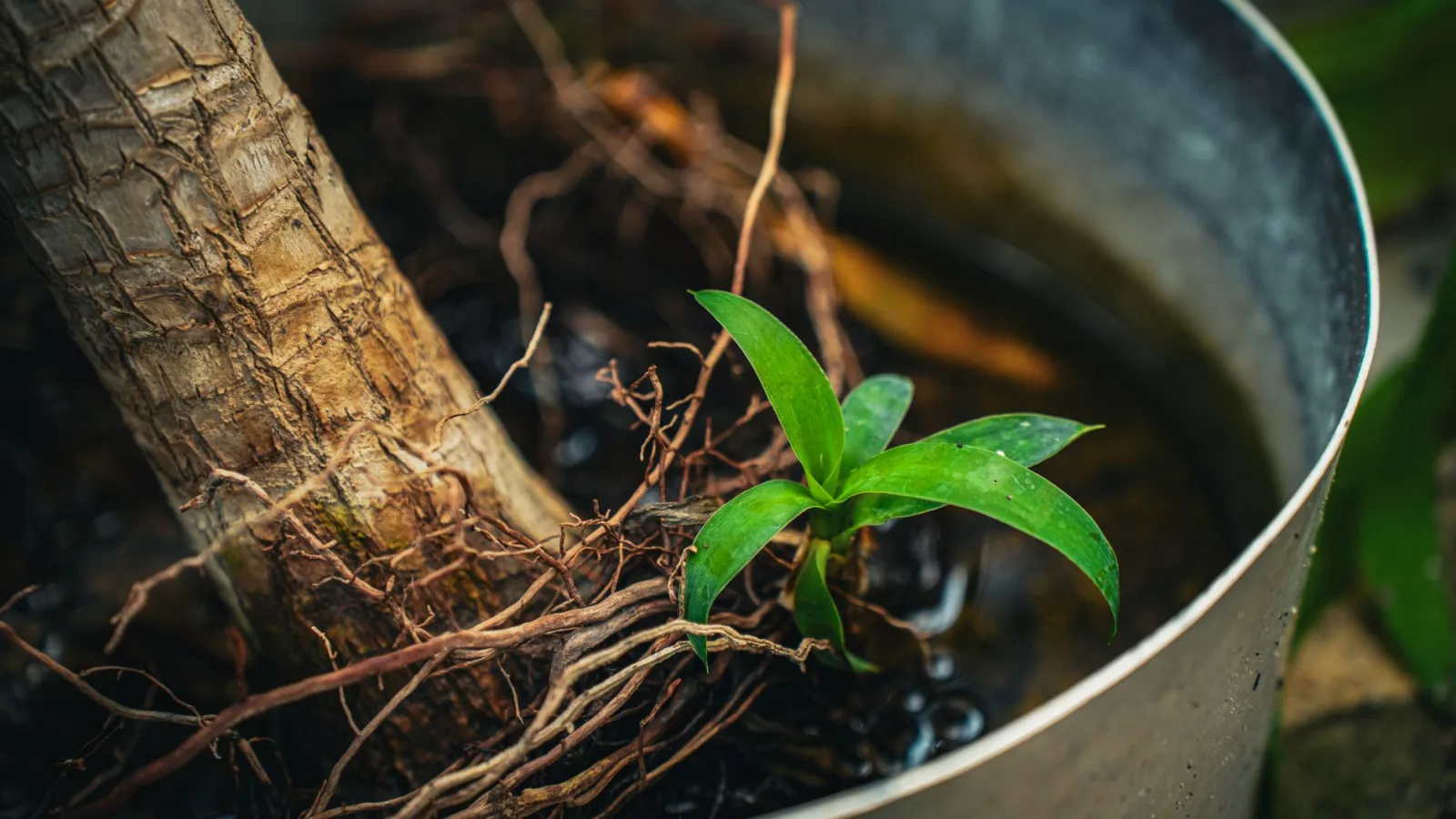
Pairing Cloves — Cinnamon and Ginger, Pears, and Simmering Meat
Just three or four cloves can transform a pot of spiced punch, poached pears, or simmering meat. Here's what to pair them with, how many to use, and when to take them out.

Where Does Asafoetida Go? Pairing It with Beans, Lentils, and Cumin
Asafoetida, known in India as hing, has long replaced onions and garlic in Indian vegetarian kitchens. Here's how to bloom it in oil and pair it with cumin, turmeric, and the beans from your garden.
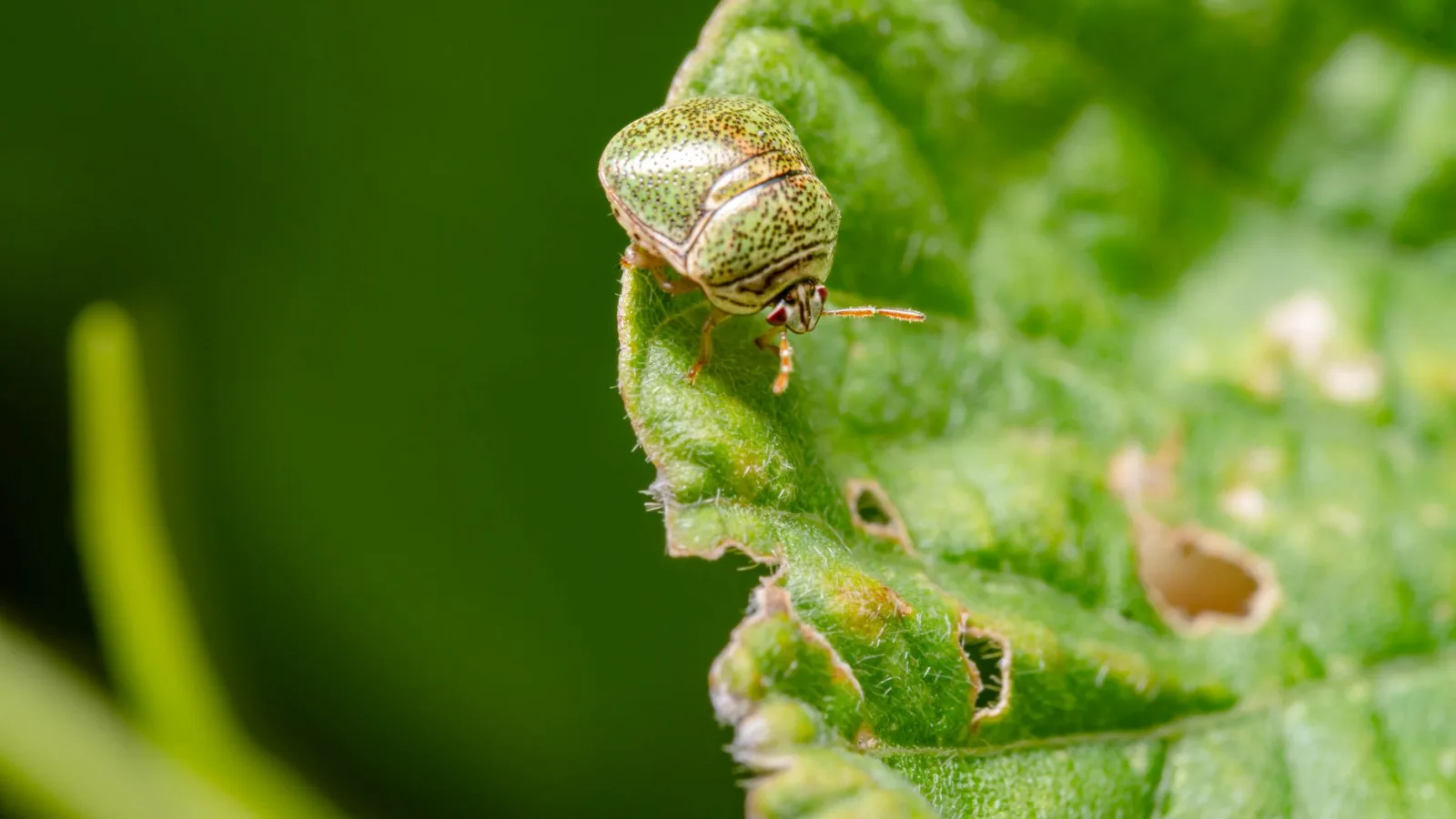
Simmer Kudzu Root with Jujubes and Ginger; Mix Its Starch with Buckwheat Flour
Dug after its leaves fall, kudzu root can be simmered into tea or made into a fine starch, and each one calls for different partners. The tea goes with jujubes, honey, and ginger, and the starch goes with buckwheat or wheat flour for noodles and with honey for pressed sweets.

What Goes with Nanking Cherries: Sugar Preserves, Yogurt, and Hwachae
Nanking cherries go soft within two days of picking, so they're mostly enjoyed by people who grow their own. Here's how to keep them in sugar, pair them with yogurt, float them in a chilled Korean fruit drink, and plant a shrub in time for next June.
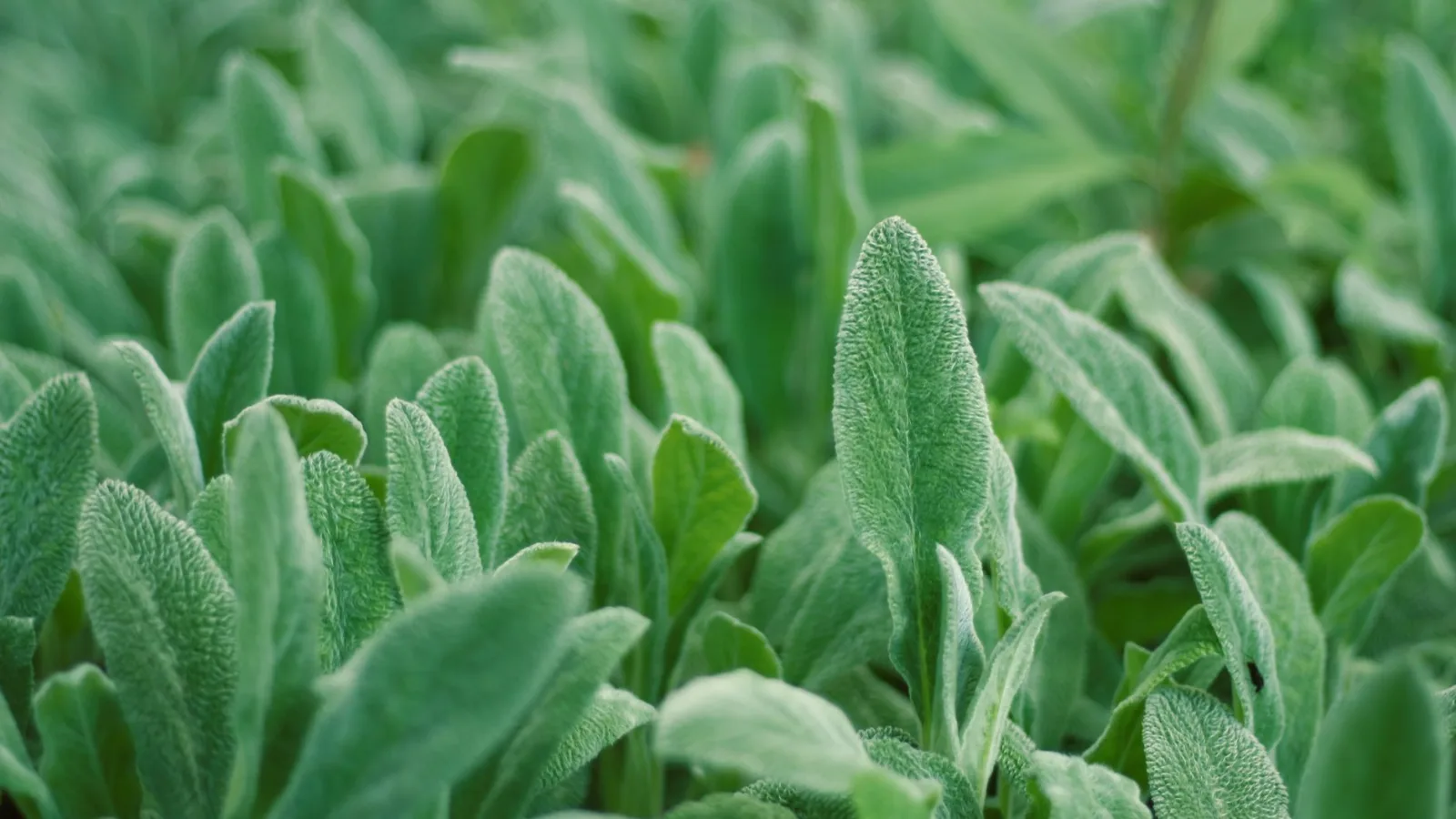
Licorice Root: Which Pot, and How Many Slices?
Licorice root's sweetness builds slowly and stays on the tongue, so it matters what you pair it with. Here's how to use it in jujube-ginger tea, pork broth and bitter herbal brews, and why a couple of slices is usually all you need.

Job's Tears from the Fall Garden: How to Eat It with Rice and Soy Milk
Job's tears is a hardy grain you can grow in a garden plot, but it has to be hulled before it's ready to eat. Here's how to cook it with rice, roast it for a nutty tea, stir it into soy milk and store it so it stays fresh.

Siberian Solomon's Seal, Dug in Fall: Brew It with Jujube, Ginger, and Roasted Barley
Raw hwangjeong (Siberian Solomon's seal) rhizomes are too bitter to eat as they are. Here's how to blanch, steam, and dry them for a tea brewed with jujube and ginger or with roasted barley, and how to pick the spring shoots without losing your fall harvest.

Gardenia Fruit Water: A Natural Yellow for Rice, Rice Cakes, Pickled Radish, and Savory Pancakes
Steep ripe gardenia fruit in lukewarm water and you get a golden liquid that colors rice, tteok, danmuji, and jeon. Here's how to make it, where it works best, and why a pale infusion is the right strength.
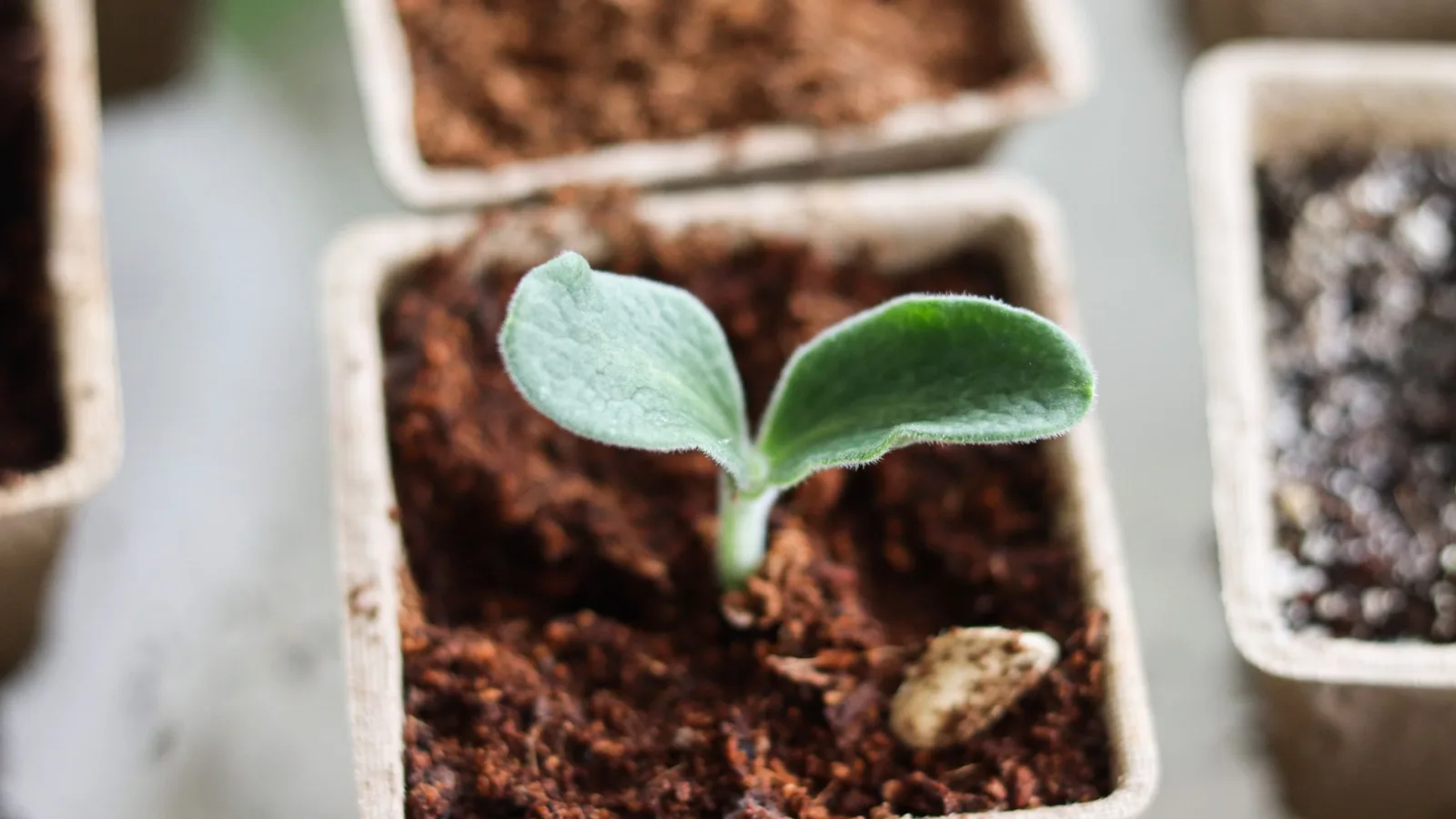
What Goes with Small Black Soybeans?
Small black soybeans are filling their pods in the garden right now. Here's how to enjoy them once they're in: cooked with rice, glazed in soy sauce, or roasted into a toasty, nutty drink.

Adzuki's Best Partners: Pairing Red Beans with Rice, Sorghum, and Salt
In Korean kitchens, adzuki beans are rarely served on their own. Here's how to pair them with rice, sorghum, and salt, and why the order you cook them in matters.

Tiger Lily Bulbs: When to Add Them to Rice, Braises, and Honey Glazes
Tiger lily bulbs turn tender and faintly sweet when cooked. Add them late and they hold their shape in rice, porridge, and braises, and a honey glaze softens their bitterness. Here's how to cook them and how to plant your own next month.

Cooking with Kelp: From Broth to Rice, Braises, and Ssam
Dried kelp is what Korean kitchens reach for first when there's broth to make. Here's how to pair it with anchovies and shiitake for a richer stock, and how to use the leftover pieces in rice, braised sides, and ssam.
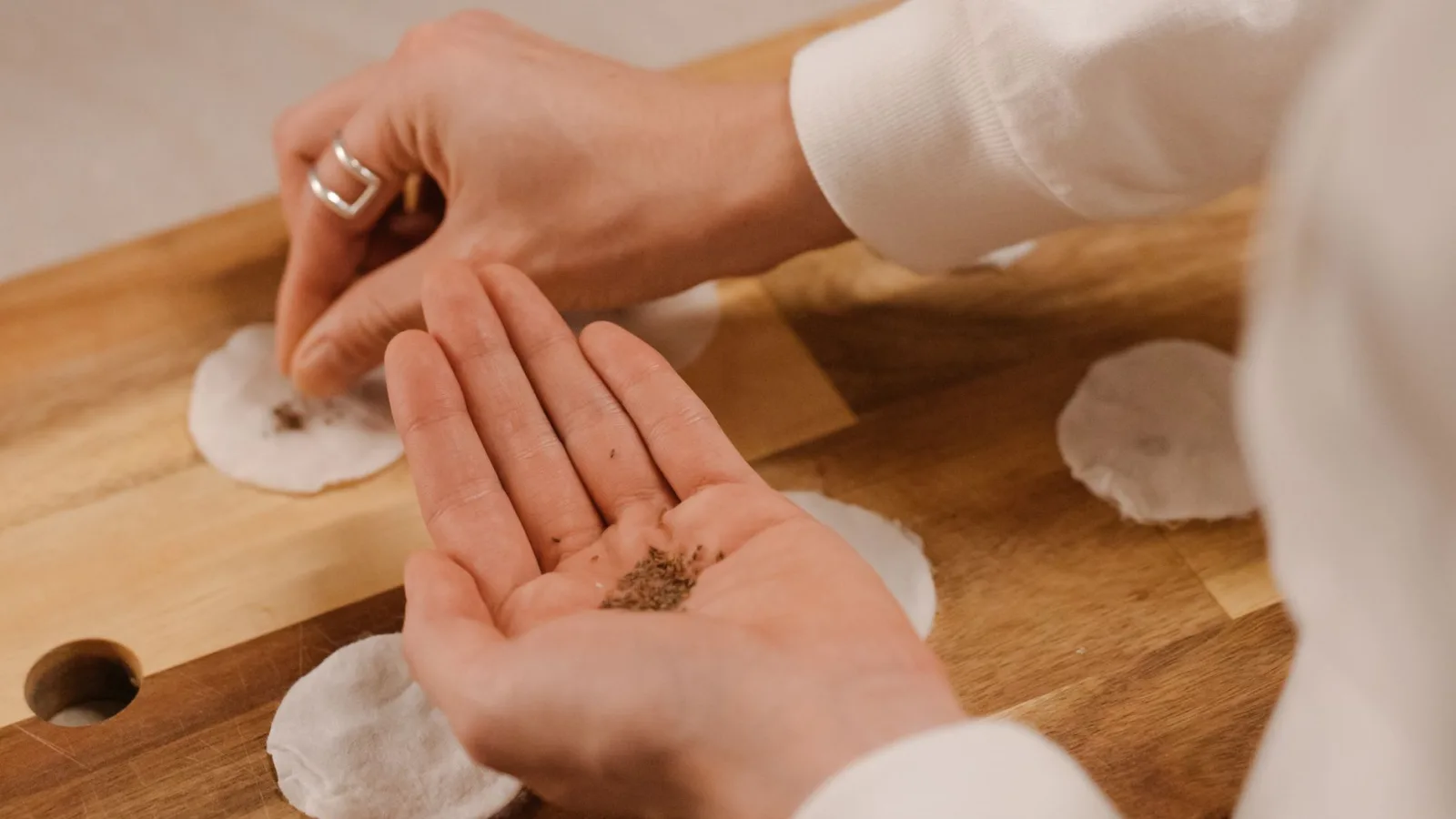
Red Water Pepper Sprouts, and What to Serve Them With
In September, water pepper seeds ripen along ditches and paddy banks. Soak them to raise fiery red sprouts, then scatter two or three strands over sashimi or grilled fish, the way Japanese cooks use beni-tade.
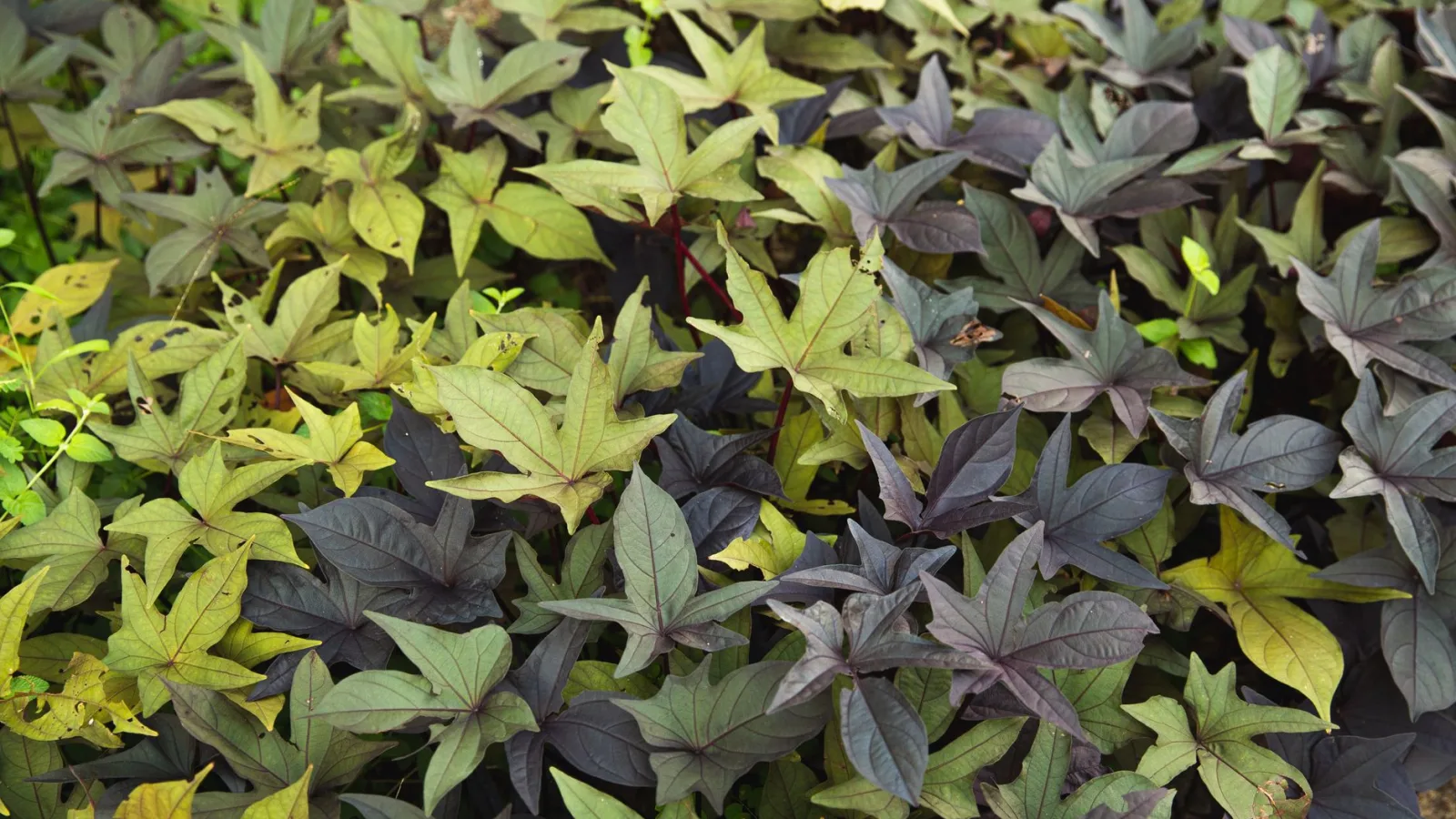
A Mushroom That Tastes Like Almost Nothing: Cooking with Poria in Rice Cake, Porridge, and Tea
Poria is a capless fungus that hardens into white masses on pine roots, and September is when it comes out of the ground. Because it barely tastes of anything, it slips into rice cake, porridge, and jujube-ginger tea without changing the flavor — here's how much to use, and when.
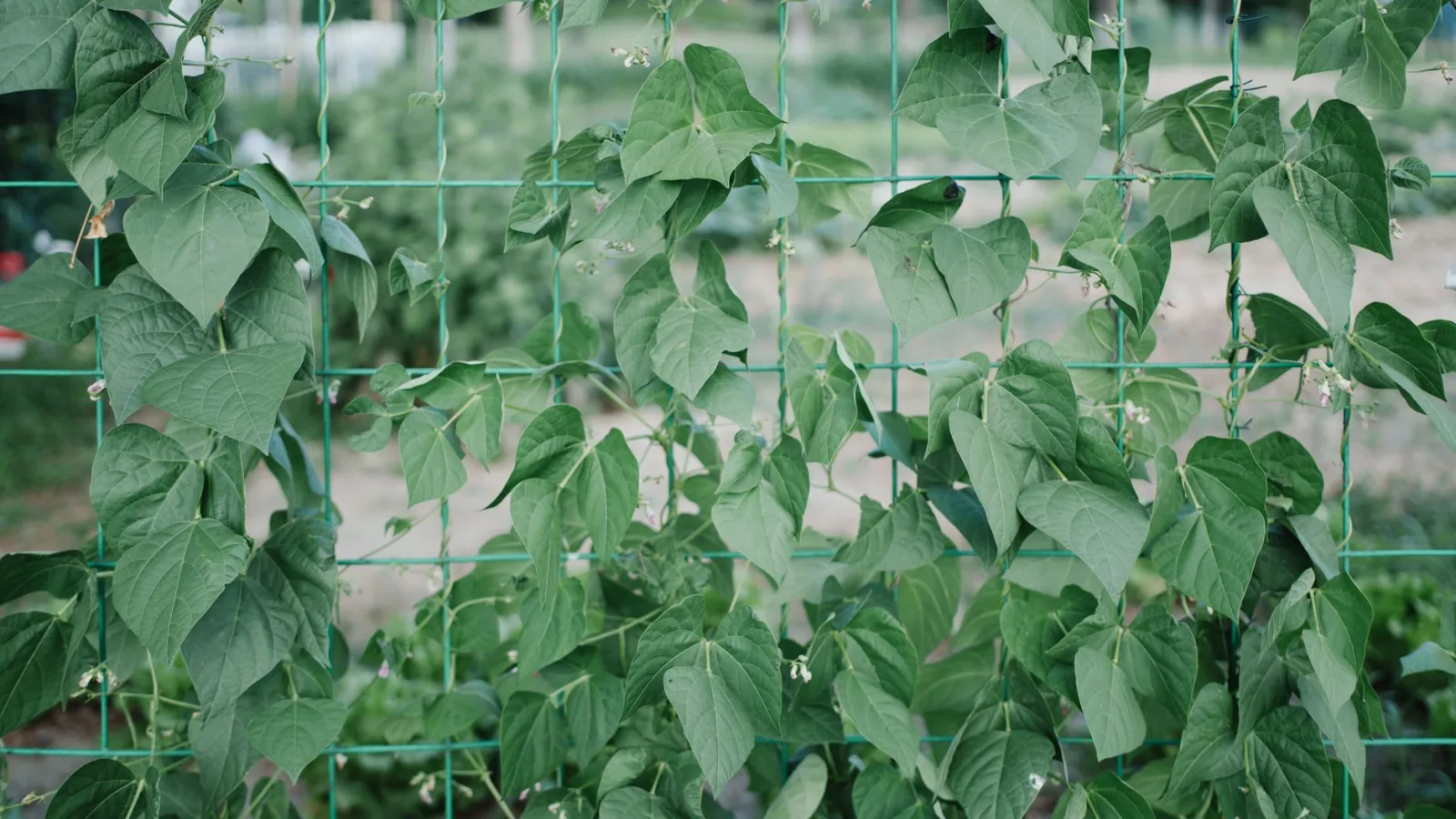
Pole Beans from the Garden, Three Ways: Garlic, Sesame, and Salad
By September, pole bean vines are still loaded with tender pods — more than one dinner can absorb. Blanch the whole pick at once, then split it between a garlicky sauté, a sesame-dressed namul, and a crisp summer salad.

Hardy Kiwi, Skin and All: What to Pair It With
Darae, Korea's wild hardy kiwi, has smooth skin, so you can eat it whole. This guide covers how to choose ripe ones, tenderize meat with them, pair them with yogurt and cook the vine's spring shoots, plus a look-alike you should not eat.
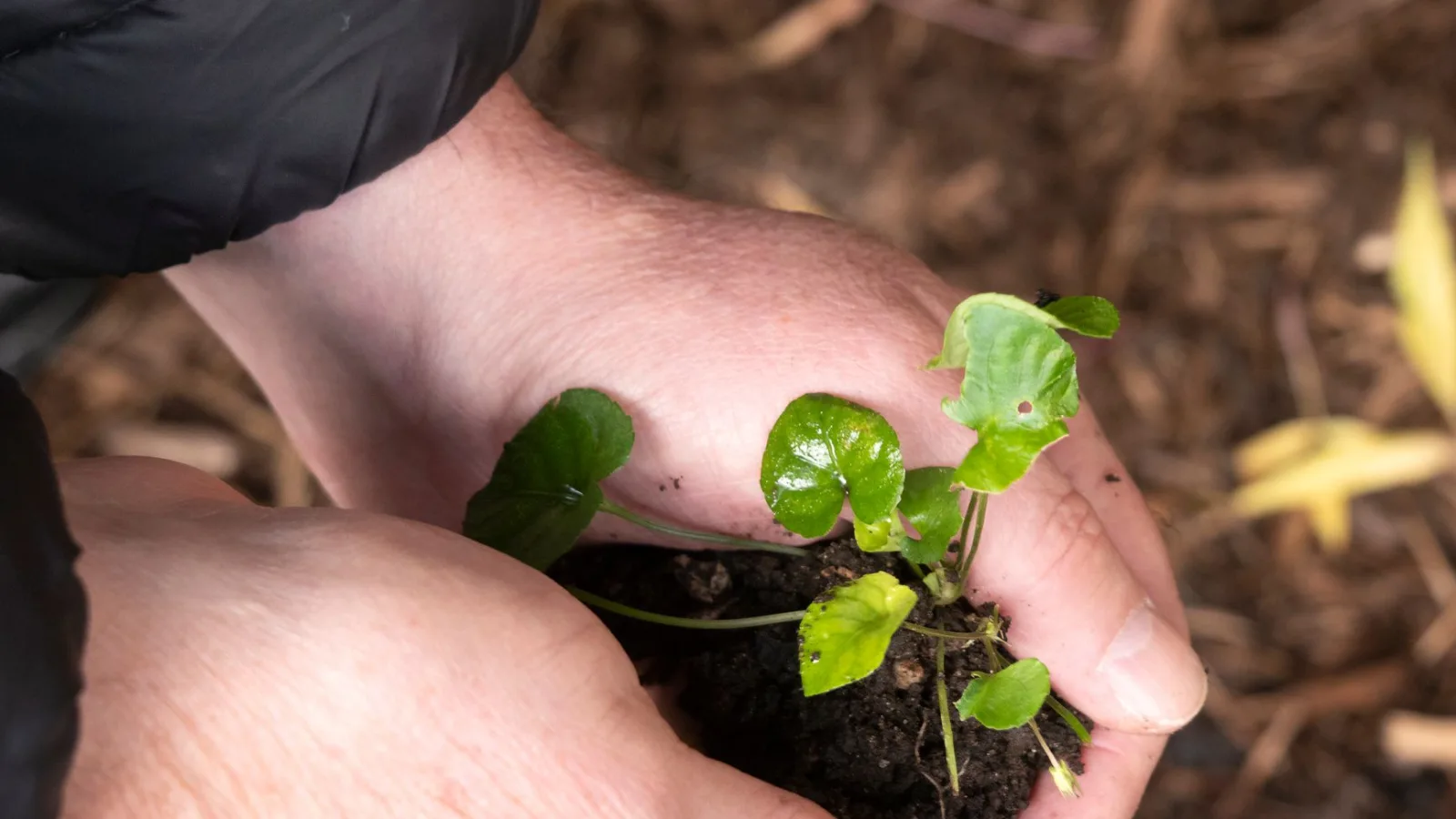
Tart Neunggeum Shines with Sugar, Rich Meat, and Cinnamon
Neunggeum is a small, tart apple that Koreans ate long before Western apples arrived. It's too sour to enjoy raw, but it's very useful in the kitchen: steep it into syrup, roast it with pork or duck, or simmer it with cinnamon and cloves.
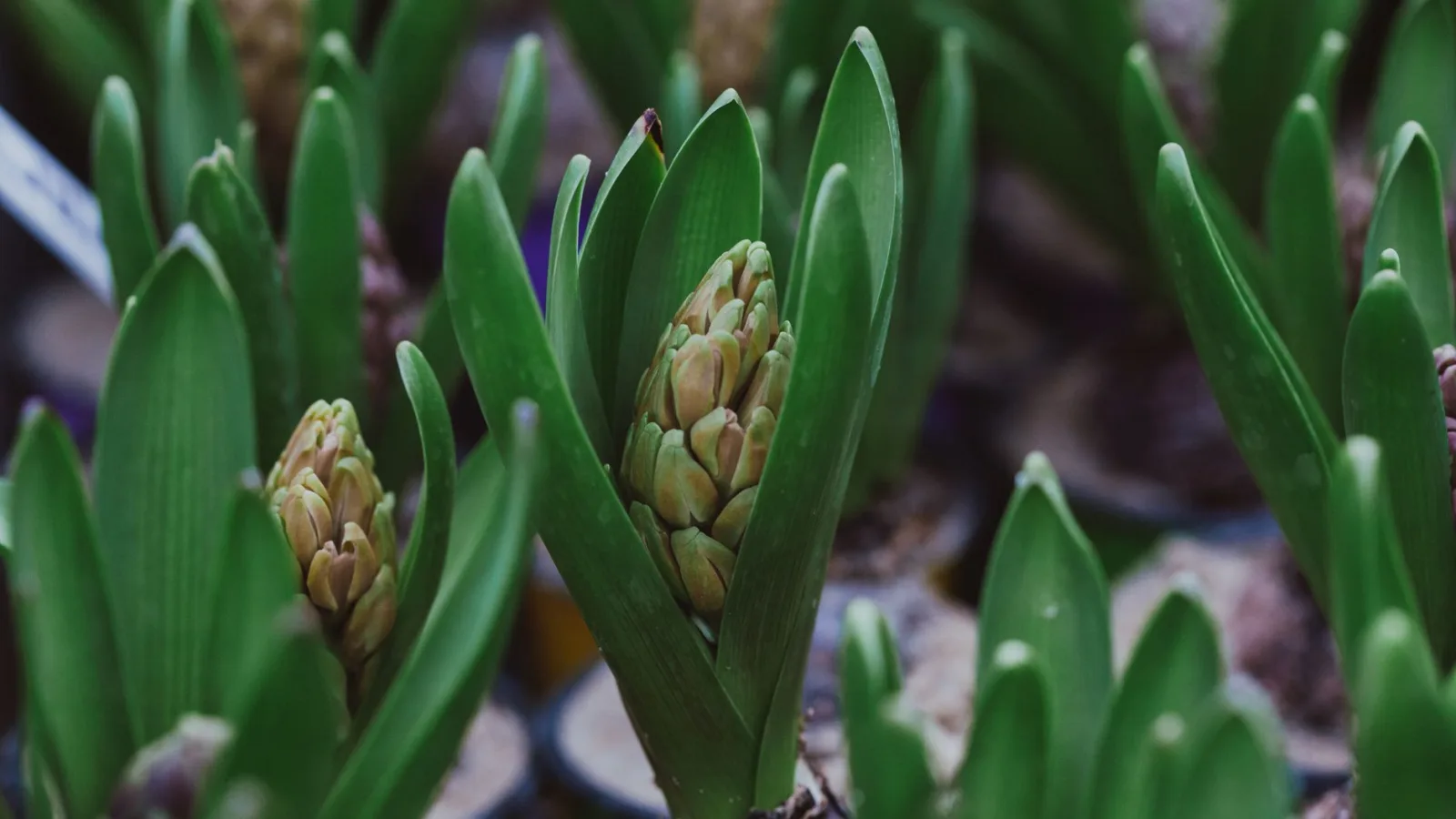
What Belongs in a Bowl of Hyacinth Beans
In September, the hyacinth bean vine finally blooms and sets its flat purple pods. Young pods and mature seeds need different treatment in the kitchen, and here's how to handle each one, plus a tip on ginger from a 17th-century Korean medical classic.
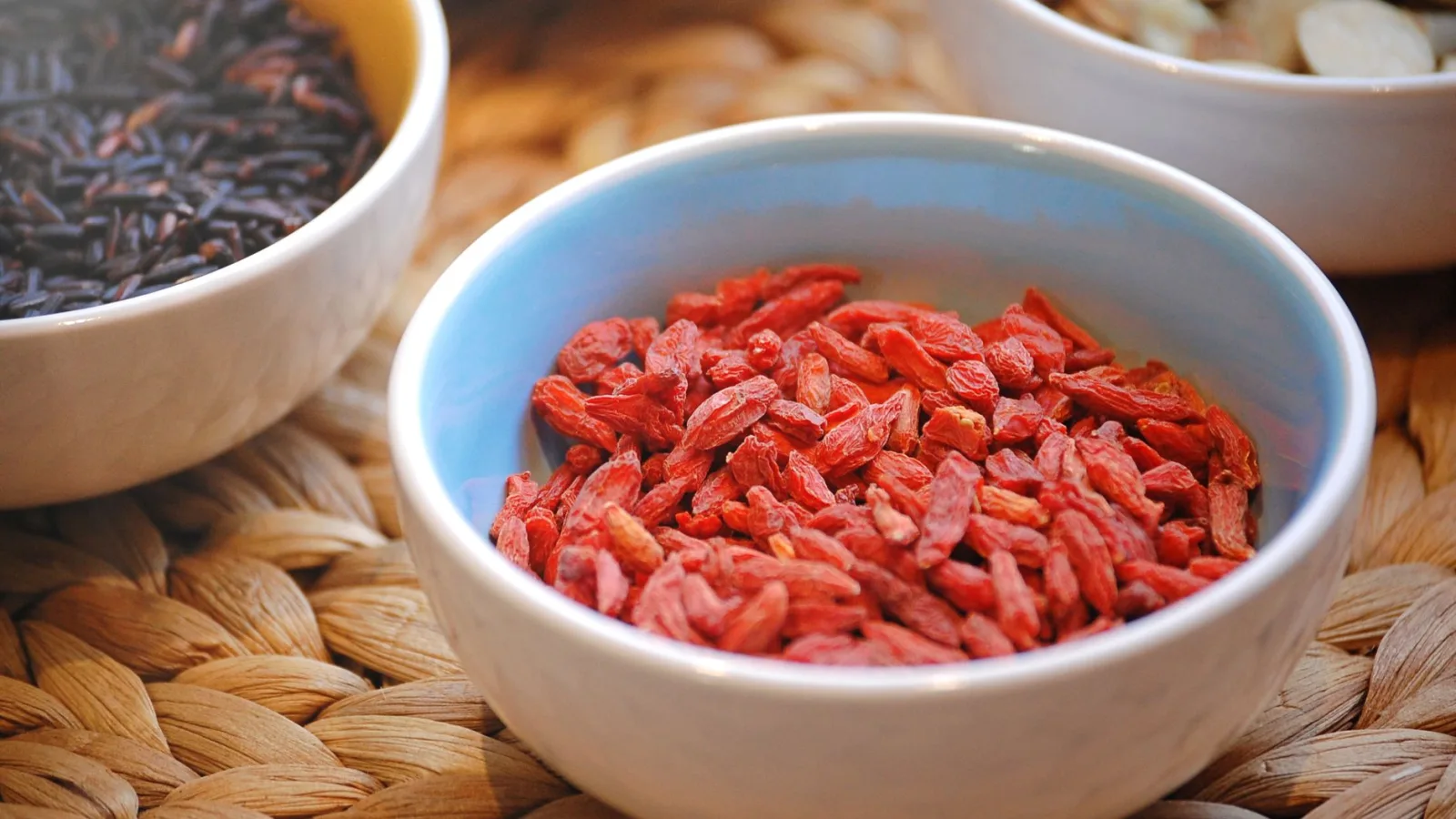
What Goes Well with Red Goji — Jujube, Ginger, and a Little Oil
Goji berries ripen from August through October, but eaten straight off the branch they're oddly flat. Here's how steeping with jujube and ginger, cooking with oil, and blanching the spring shoots each bring out something different.

Rapeseed Greens: What Do You Set Against That Peppery Finish?
Rapeseed sown in September winters over and comes back tender in early spring — and 30 seconds in boiling water is only half the job. Here's how chogochujang, perilla oil, and doenjang each handle the leaf's peppery, faintly bitter finish.

Good Partners for Mugwort: Rice Flour, Doenjang, and Roasted Soybean Flour
Mugwort returns on its own every spring, but its bright, bitter punch needs a partner. Rice flour, doenjang, and roasted soybean flour each tame it in a different way — and when you add the leaves decides how much of the scent survives.
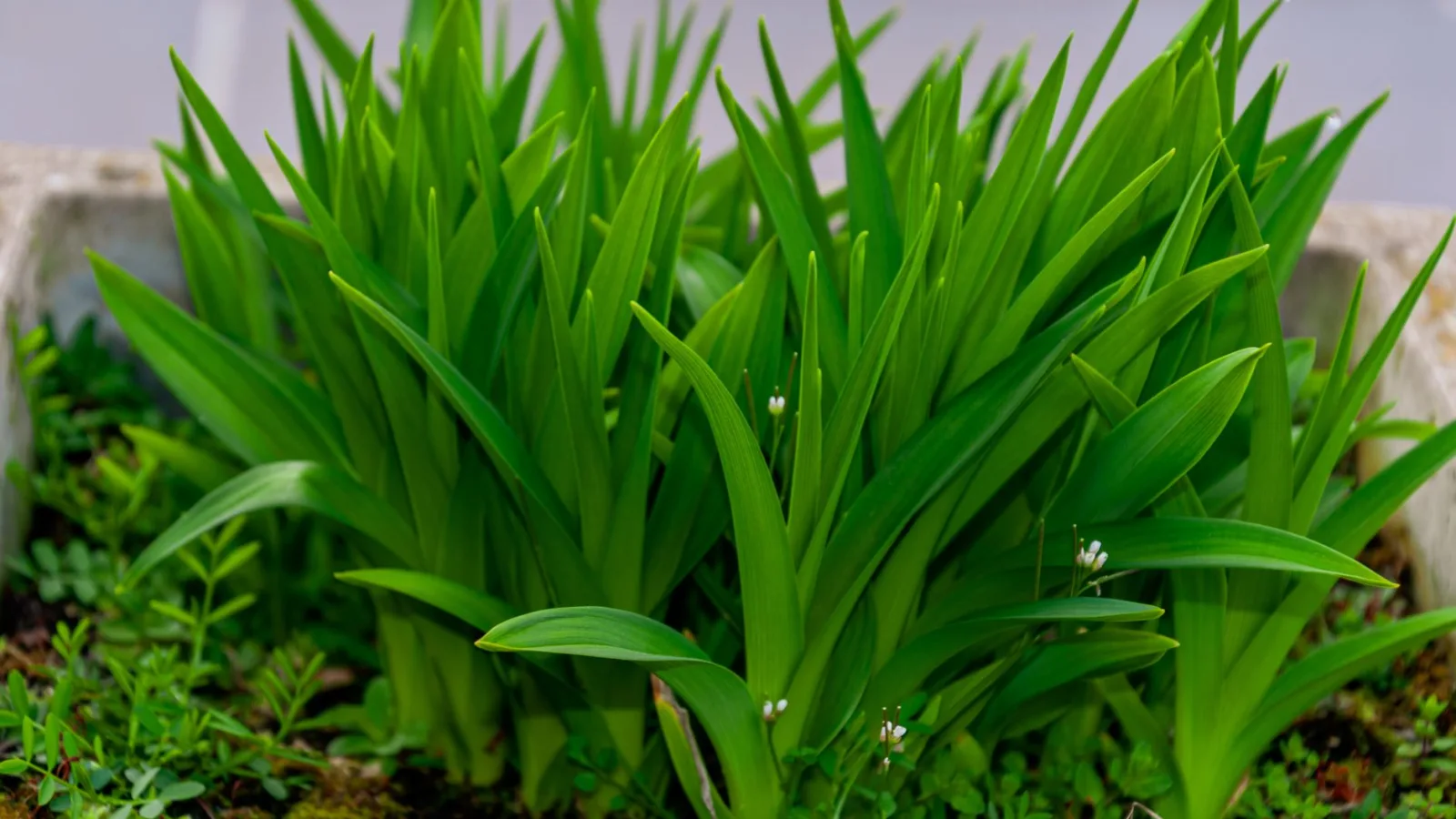
What to Have on Hand When You Simmer Lilyturf Root
September is division season for lilyturf, but a clump split now won't give you roots for a while — so start in the kitchen with dried tubers instead. Pull the core, add jujube and Korean pear, and let the ginger go in at the very end.
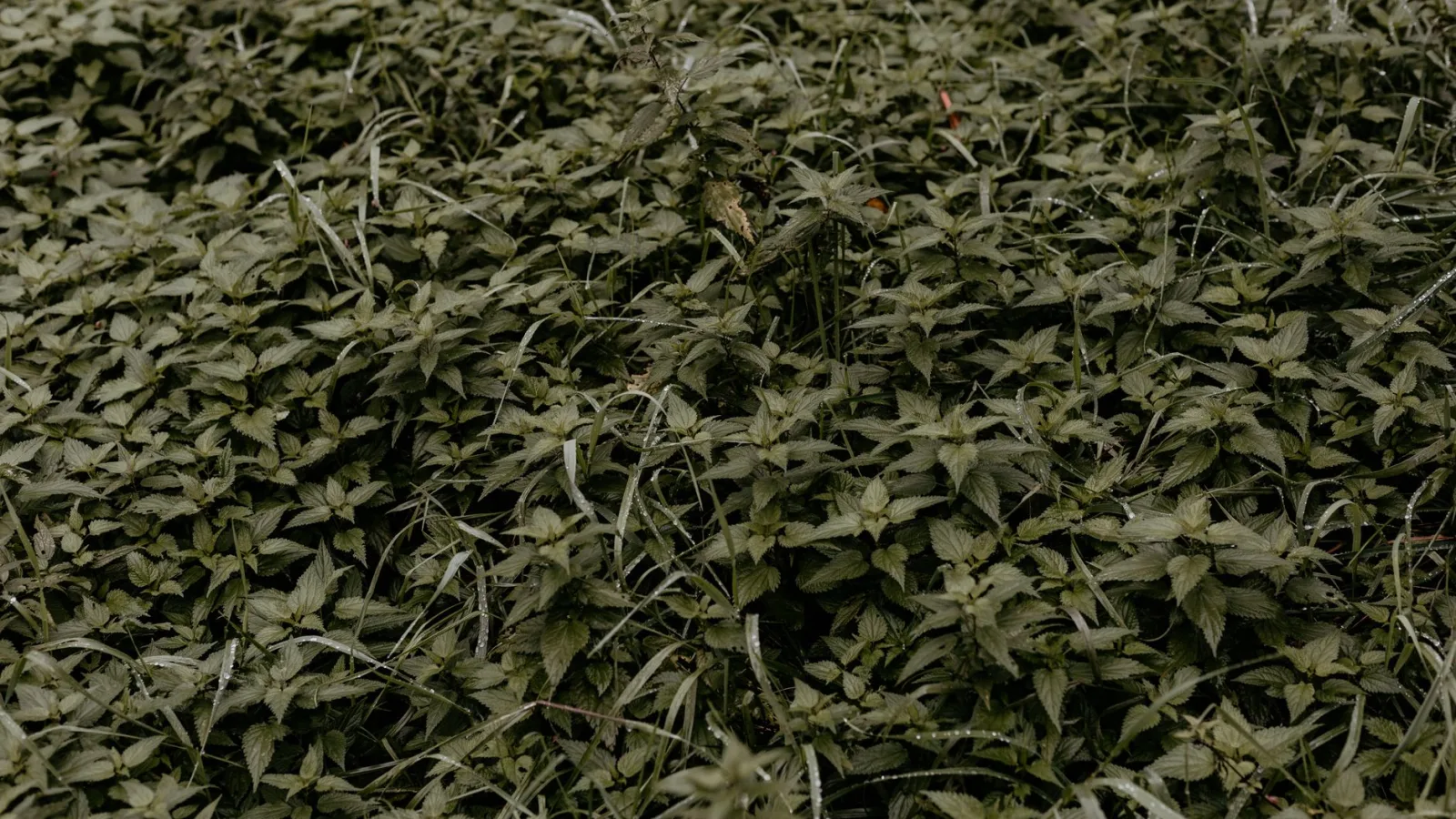
False Daisy, Simmered with Two Jujubes
False daisy grows low and damp along ditches and paddy banks, and its sap turns black the moment you break a stem. Here's how to gather it in August, dry it, toast it, and simmer it with a couple of jujubes so it's actually pleasant to drink.

A Yellow Sauce Mixed from White Mustard Seed — What to Serve It With
White mustard sown in an August gap will be ready by late fall, and its seeds carry a heat that only appears once they're crushed and wetted. Here's what's happening inside the seed, and how to turn it into the yellow mustard you already know.
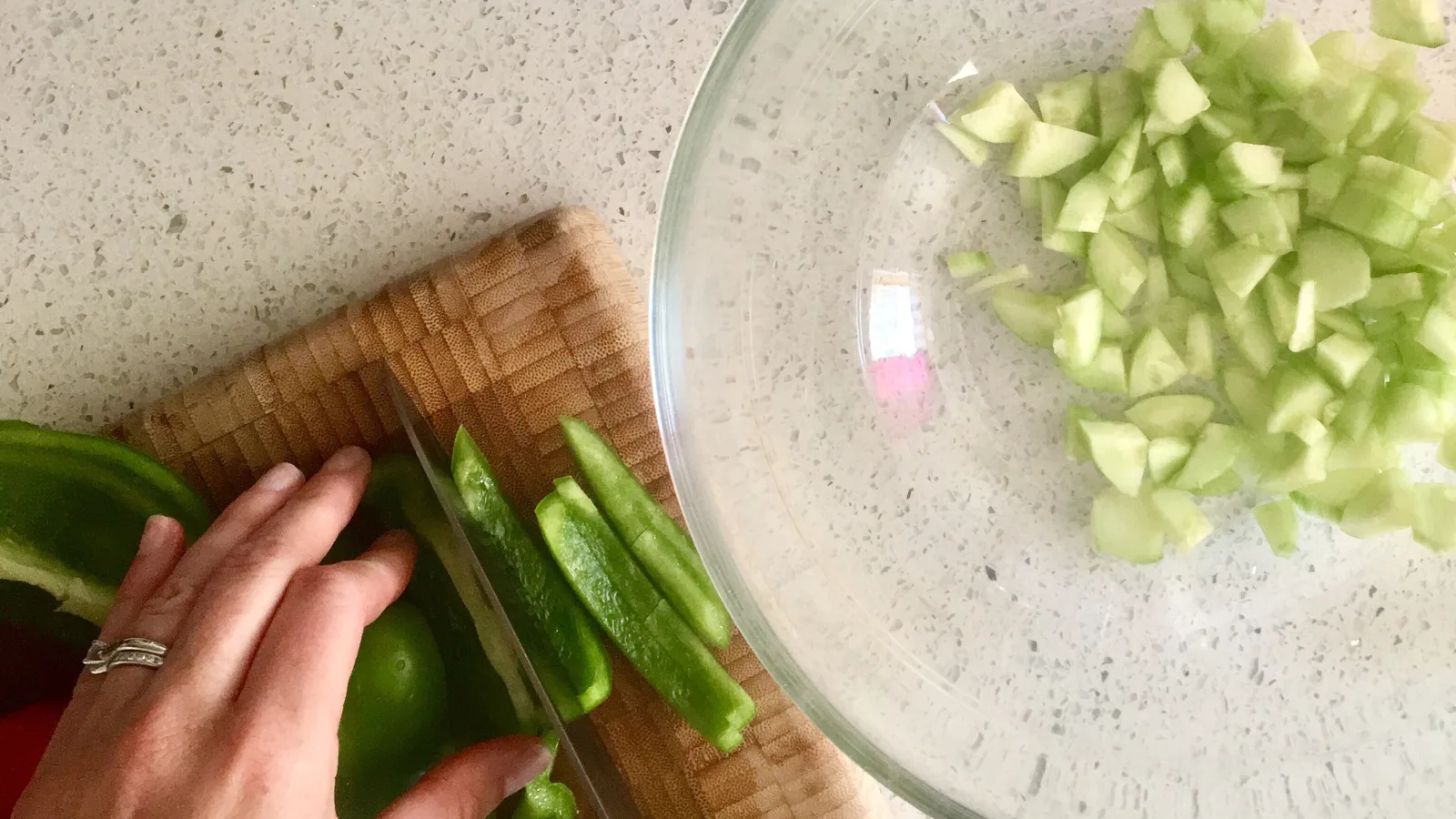
A Bowl of Chilled Cucumber Soup to Cool Down on a Sweaty Summer Day
A no-cook Korean chilled cucumber soup (oi-naengguk) made with garden-fresh cucumbers — tangy, refreshing, and ready in minutes for hot summer days.
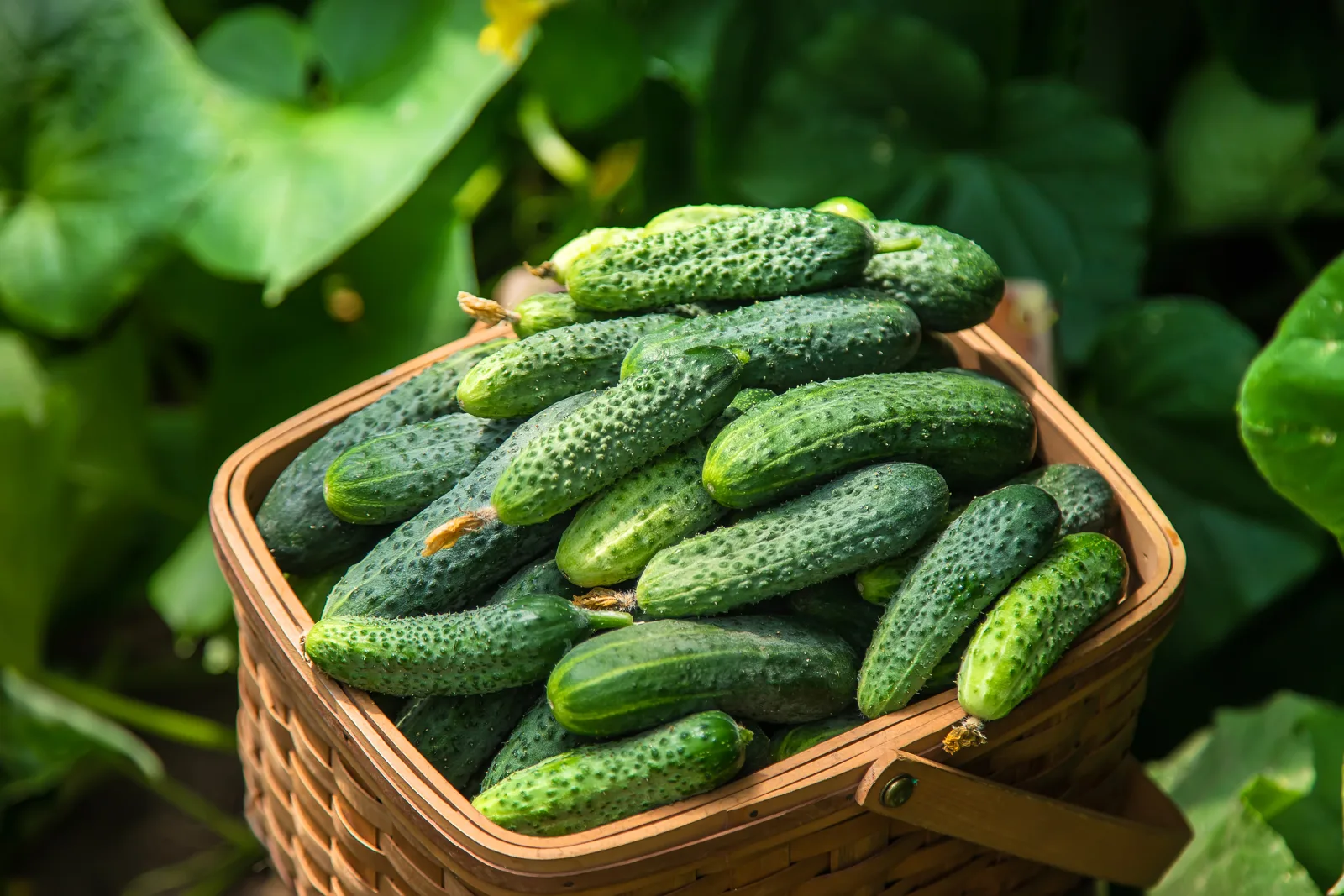
Quick Refrigerator Pickles from Your Misfit Cucumbers
Summer cucumbers ripen all at once, and plenty of them come out crooked or uneven. They taste just fine, so when you can't eat them all fresh, turn them into quick refrigerator pickles. They're ready in a day — all you need is the right brine ratio and to pour it on hot.
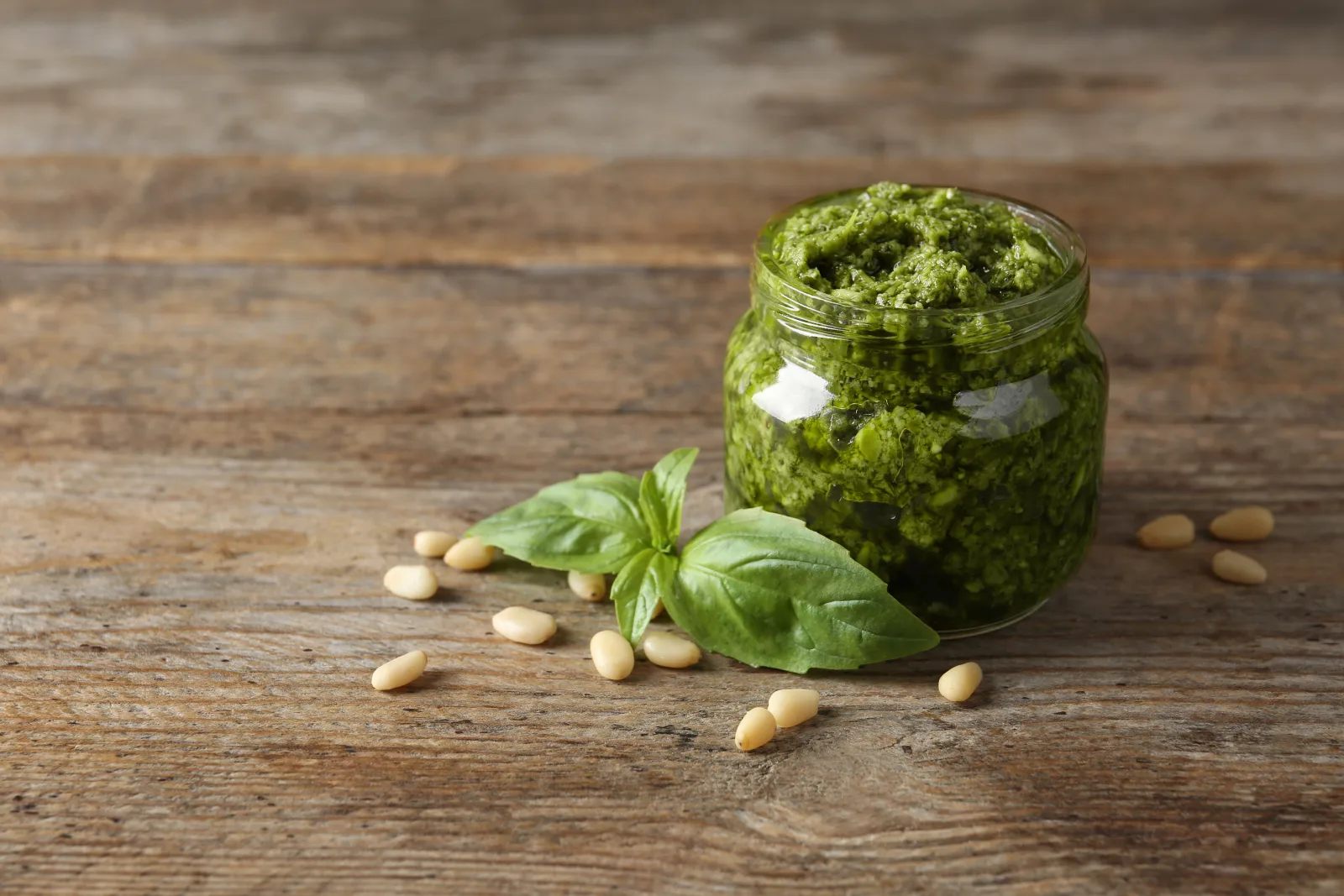
Five-Minute Pesto from Just-Picked Basil
As summer deepens, balcony basil grows faster than you can keep up with. The easiest answer is a fresh pesto you can whip up in five minutes with nothing but a blender.