By late July, a home garden grows weeds faster than it grows vegetables. Once the monsoon rains pass, crabgrass and purslane shoot up between the rows — a palm's width in a single day — and ground you scraped clean with a hoe sends up new shoots within three days. Whether to handle it by hand or by chemistry isn't a question only gardeners ask. In Illinois, somebody put a dollar figure on it.
Drop One Herbicide, Lose $600 Million
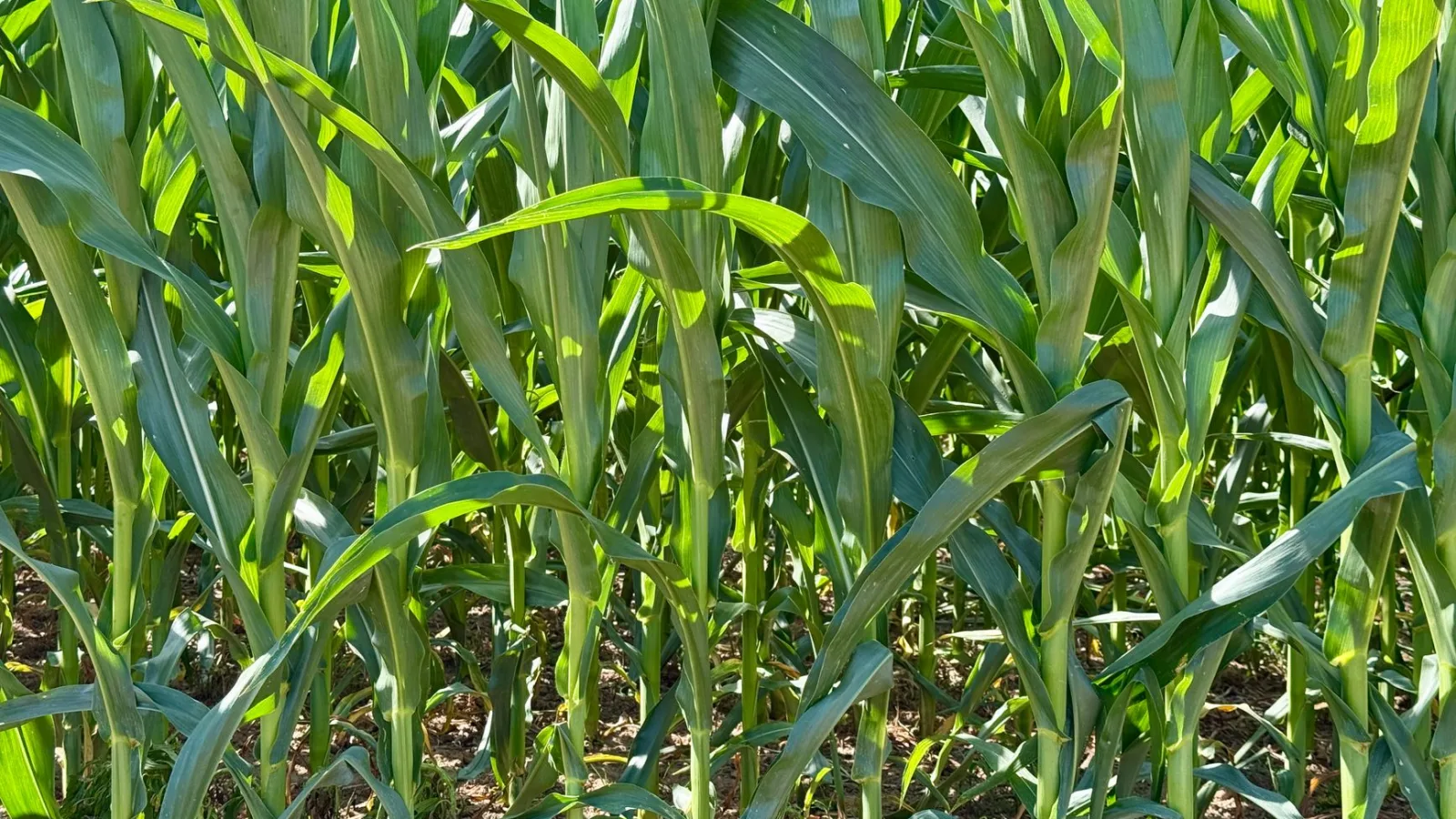
Researchers at the University of Illinois Urbana-Champaign, working with the Illinois Soybean Association, ran the numbers: if Illinois banned the herbicide ingredient glyphosate, corn and soybean farmers would lose as much as $609 million in income every year. That comes to 3.6 percent of their total income.
The losses wouldn't come from extra weeds alone. The products that would replace glyphosate cost more and control a narrower range of weeds, so they have to go on several times in a single season. Skipping the chemicals and plowing weeds under instead drives up fuel and labor costs and leaves topsoil to wash away in the rain. No-till farming — growing without turning the soil — hardened around this one ingredient, so taking it out means rewriting the whole sequence of the farming year.
In the Garden: A Hoe and a Blanket
On a small plot, the options look different. Weeds are easiest to pull from the moment the seed leaves open until the second or third true leaf appears. When they're no taller than a knuckle, scraping away just 1~2cm of topsoil with a homi — the Korean hand hoe — severs the roots and lets them dry out. Digging deep and turning the soil only brings buried seeds up into the light, where they germinate, so shallow and often beats deep and occasional.
Once you've pulled them, cover the bare ground. A 5cm layer of straw or fallen leaves cuts the light reaching the seeds below, and far fewer of them sprout. Three or four sheets of newspaper topped with straw works just as well. And don't water the whole row — water at the base of your crops only. Weeds come up less along the dry shoulders of the bed.
Deal with weeds before they set seed and next year's workload shrinks. A single crabgrass plant can leave thousands of seeds behind, so the moment you spot seed heads going up, drop whatever else you were doing and pull that one first. When the summer crops come out, don't leave the row empty — sow a cover crop like cereal rye or hairy vetch. It blankets the ground through winter and leaves weeds nowhere to move in, and if you cut it in spring and lay it down right on the row, it becomes mulch all over again.
How to Read the Ban Debate
The push to ban glyphosate grew out of health and environmental concerns. In 2015, the International Agency for Research on Cancer, part of the World Health Organization, classified the compound as probably carcinogenic to humans. The U.S. Environmental Protection Agency and the European Food Safety Authority reached a different conclusion: at approved application rates, they found no clear cancer risk.
The two sides disagree because they're asking different questions. IARC asks whether a substance is capable of causing harm; regulators ask how much risk it carries at the doses people actually encounter. That's why the answer differs from country to country — and why a grain belt like Illinois weighs it in dollars.
At garden scale, the debate can feel abstract. But most of the soybean oil we cook with and the corn that feeds livestock comes from fields like these. How weeds get handled out there ends up on the grocery receipt.
Next time you head out to the garden, gather your mulch before you start pulling. Leave bare soil behind and you'll be doing the same job again next week. One bundle of straw saves you three or four passes with the hoe.
Source — joint analysis by the University of Illinois Urbana-Champaign and the Illinois Soybean Association, published in the journal Weed Technology