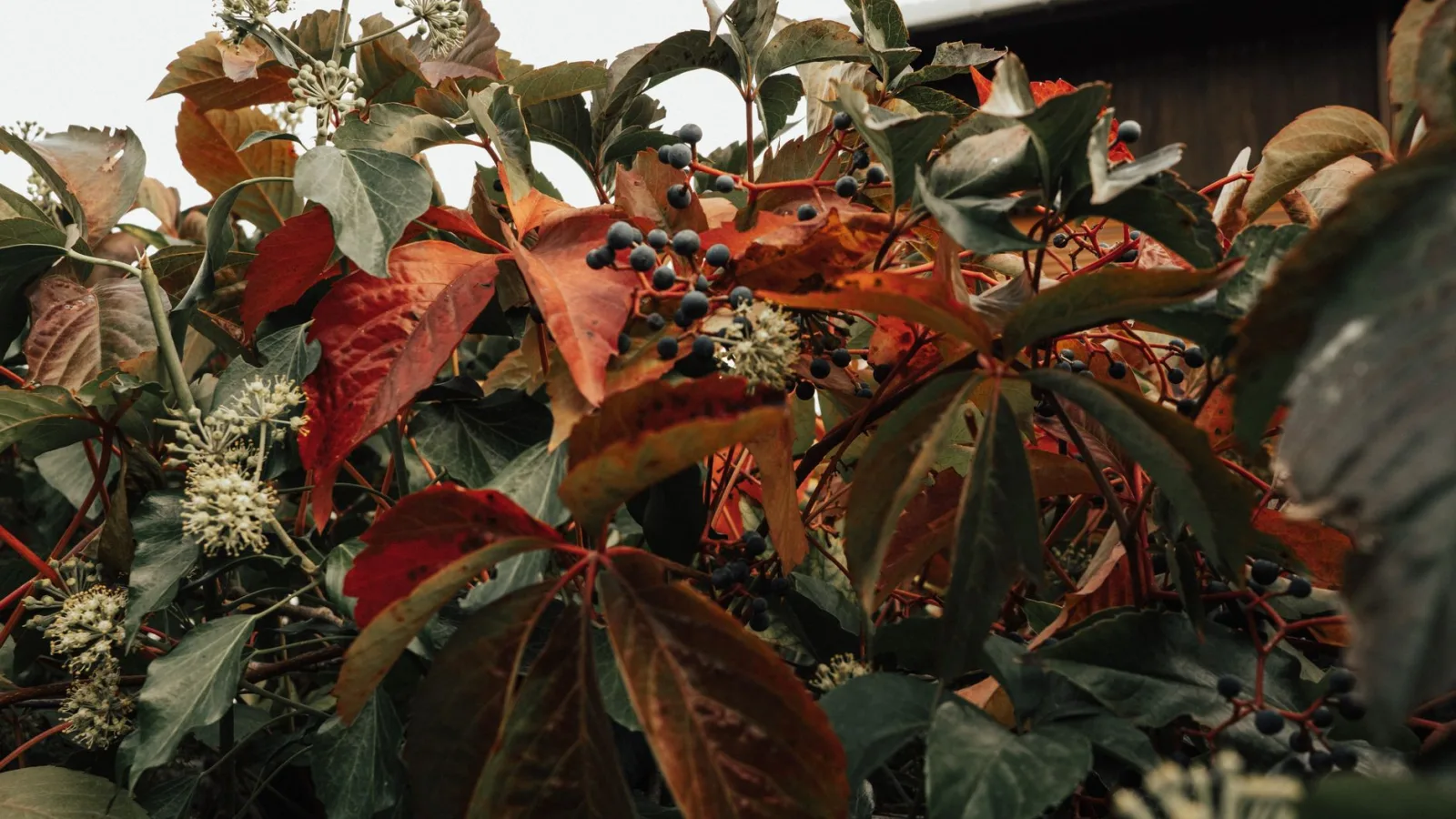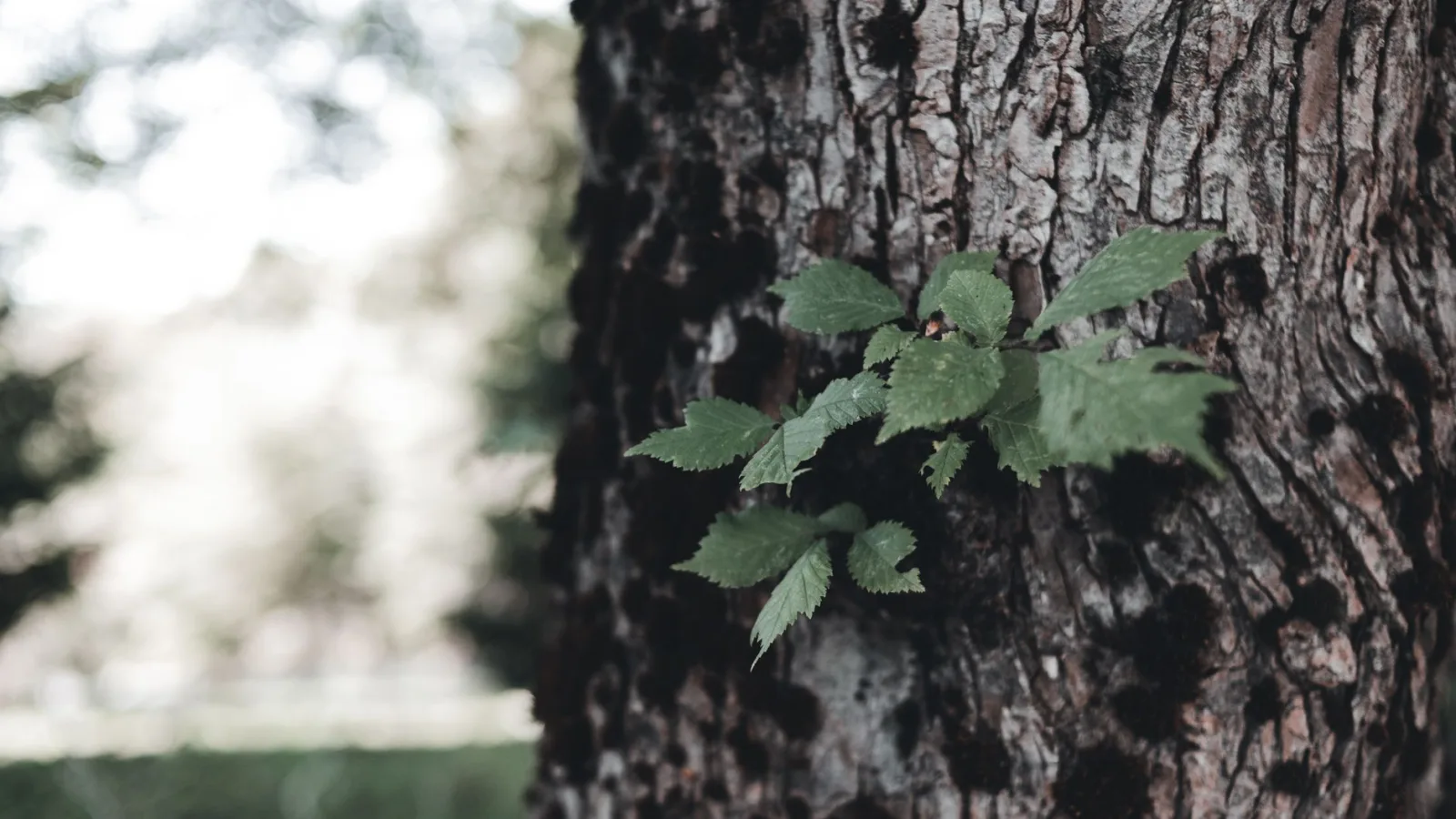
At the tips of bare lacquer tree branches, clusters of yellowish fruit hang on through late autumn. If you want seed to sow in spring, now is the time to pull on gloves and cut the clusters down. This tree puts out shoots in spring. In summer, knife cuts in the trunk weep a milky sap, and when that sap hardens in the collecting bucket, it becomes the medicine that the Donguibogam, Korea's 1613 medical encyclopedia, lists in its tree chapter. The blanched shoots on the plate, the lacquer on a soup bowl, and the dried lacquer of the old medical text all come from one tree.
Dried Lacquer in the Donguibogam: Sap That Set on Its Own
The Donguibogam enters the lacquer tree in its tree chapter as geonchil, or dried lacquer. The term refers to sap that has set and dried on its own inside the lacquer bucket, and the best grade was pitted like a honeycomb and hard as iron or stone. The original reads 性溫 味辛 有毒: warm in nature, pungent in taste, and toxic. What the old physicians handled as medicine was not the spring shoot people eat but the sap hardened in the bucket. The entry was copied from the Bencao, the Chinese materia medica, so its directions for medicinal use should be read as prescriptions from a 1613 text, not as the judgment of modern medicine. One line of caution, though, reads the same today as it did then. It states flatly that anyone who ordinarily breaks out from lacquer should not eat it. The full entry is available at the Homiclub Donguibogam entry on dried lacquer.
Urushiol: A Reaction That Arrives One to Three Days Later
Modern analysis describes the same sap by its components. A 1995 paper by Kumanotani in Progress in Organic Coatings put lacquer sap at roughly 60 percent urushiol, a little over 20 percent water, and about 1 percent of an enzyme called laccase. Urushiol is a catechol compound. When it meets oxygen and moisture in the air, laccase drives polymerization and the sap sets. This is how lacquer on a bowl cures hard, and it is the same process that produced the lumps "hard as iron or stone" that the Donguibogam ranked highest. This is where the old record and modern analysis overlap, and this is where the overlap ends.
The single character for toxic, 毒, is where the two records read differently. Dermatology has long dealt with the fact that urushiol from plants in the lacquer tree's genus causes contact dermatitis in some people and not others. A 2006 review by Gladman in Wilderness & Environmental Medicine summarized the pattern: the reaction appears one to three days after contact, and some people feel nothing the first time, only to react after repeated exposure. That is because it is a delayed hypersensitivity reaction, one that begins only after the immune system has learned to recognize urushiol. When the Donguibogam singled out "those who ordinarily break out from lacquer," it reads as a sign that the old physicians knew this individual variation from experience. The difference is that the old text recorded toxicity as one of the drug's natures, while dermatology separates it into a compound and an immune response.
Outside the sap, the tree yields flavonoids. Fustin and fisetin compounds have been isolated from the stems and heartwood, and fisetin is also found in strawberries. No one has yet measured these in the spring shoots people eat. The reason the shoots end up on a plate is their aroma, not any health claim.
Growing It: From Harvesting Fruit to 4-Meter Spacing
A mature lacquer tree tops 10 meters and can reach 20. In a small city garden, one tree at the edge is the most you can manage, and keep it away from any path where neighbors might brush past. The leaves and shoots carry urushiol too, and for some people a brush is enough to set off a reaction. The tree's home range is China, Korea, and Japan, and it does well in a temperate climate with hot summers and winters that drop below freezing. In the Northern Hemisphere, sow seed in March or April and pick shoots in April or May. Fruit gathered in late autumn is coated in wax and will not sprout well if buried as is. Rub the seeds with sand to strip the wax, mix them into damp sand, and hold them at 0 to 5°C over winter. In spring, sow them 1 to 2 cm deep and 15 cm apart. After a year's growth, move the seedlings the following spring to spots at least 4 meters apart. When the work is done, wash hands and tools in soapy water right away. The full calendar from sowing to harvest is laid out in the lacquer tree crop guide.
How to Eat It: One Minute in Boiling Water and One Spoonful of Broth
Pick the shoots while they are still young and tinged red, before the new leaves have opened to the length of a finger. Bring 1 L of water to a boil with 5 g of salt, blanch 100 g of shoots for about 1 minute, lift them out, and rinse twice in cold water. Discard the blanching water, and do not blanch other vegetables in it. Squeeze the shoots dry and toss them with 15 g of doenjang, Korean fermented soybean paste, and 5 ml of toasted sesame oil, and you have a dish. Wear gloves while trimming the shoots, too. If this is your first time, eat a single chopstick's worth and wait three days. If a reaction is coming, it will come within that window.
Lacquer chicken uses the dried bark, not the sap. Tie 40 g of dried bark in a cheesecloth bundle, put it in a pot with a 1 kg chicken and 2.5 L of water, and bring it to a boil over high heat. Once it boils, turn the heat down low and simmer for 2 hours. Lift out the bundle and serve only the broth and meat. First-timers should test with a single spoonful of broth. In Korea this soup is called otdak or otbaeksuk, lacquer chicken, and it is cooked most often in spring and early summer.
Lacquer: Fully Cured and Not Quite
Curing the sap into a finish for bowls and furniture is an older use than eating the tree. Fully cured lacquerware, with its urushiol polymerized, rarely causes a reaction, but lacquer that has not fully cured is another matter. Use a newly lacquered bowl only after the smell has faded, and do not rub a chipped spot with your fingers for long. The old physician who prized fully hardened dried lacquer and today's owner waiting for a new bowl to cure are both watching the same thing: how far the sap has set. The Donguibogam's one line of caution and the dermatology review point at the same person, too. If lacquer gives you a rash, you do not eat it.