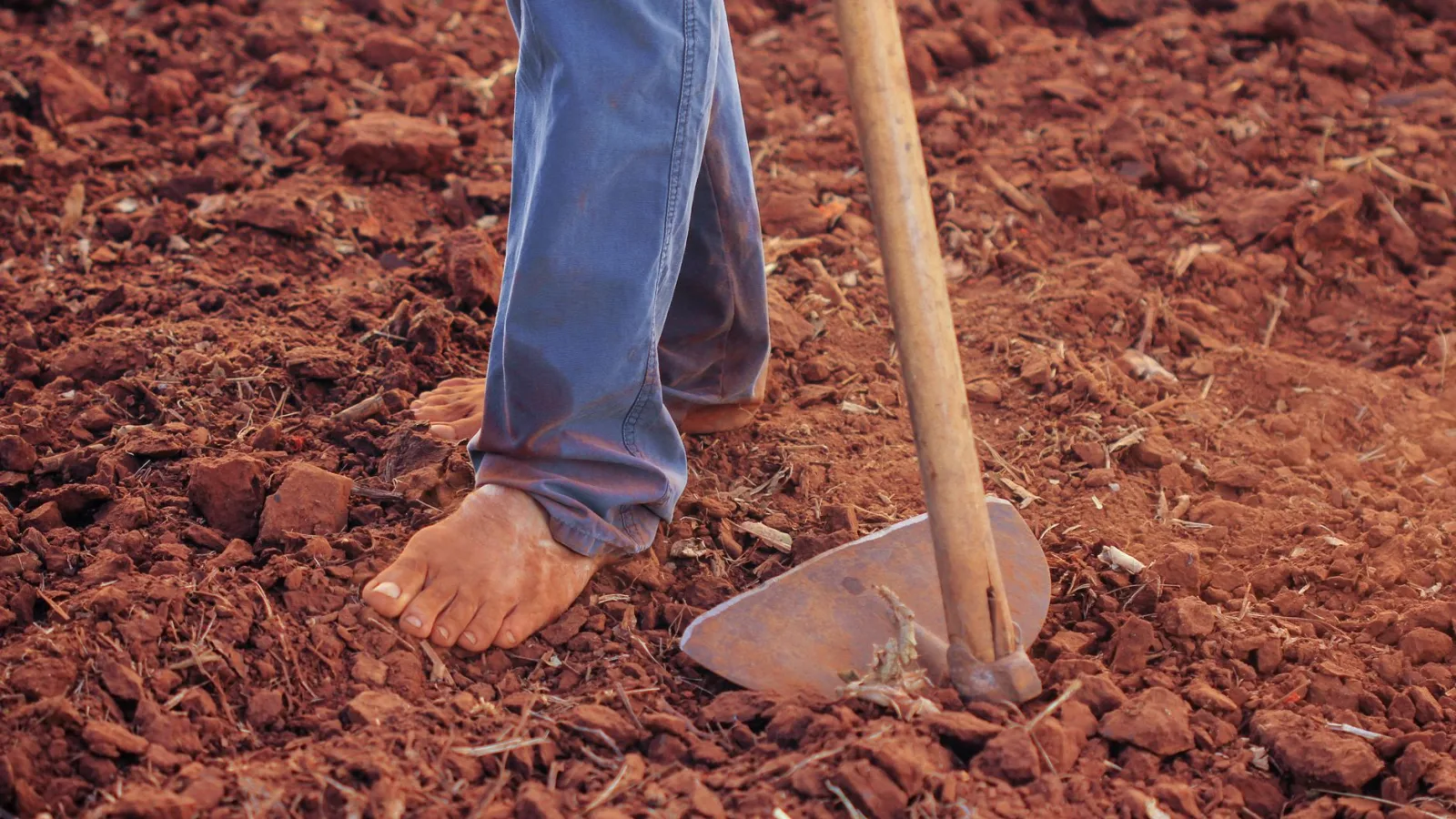
At the start of summer, lettuce and cherry tomatoes put on a hand's width of growth in the school flower beds, too. Kids watering the plants stop to touch a leaf, or lean in close to smell the soil — it looks about the same in any garden. Word came recently that the Chungbuk Joint Practical Training Center for Agricultural High Schools held a professional development course in urban agriculture for teachers. It's a place where the teachers learn to plant and tend vegetables first, themselves.
Why the teachers get their hands in the soil first
Urban agriculture suits the kind of subject that gets learned outside the classroom. For a child to stand and watch a single seed sprout and unfurl its leaves, the person teaching has to have been through it with their own hands. This course was built around three things: when to plant, how to water and feed, and how to spot pests and disease before they spread.
As school gardens spread, what ends up on kids' plates shifts a little too. A child who has torn off a leaf of lettuce they grew themselves and used it to wrap a bite of rice — ssam, the Korean way of eating with leaves — finds vegetables less strange afterward. Teachers in a number of classrooms report that picky eating eases off. It isn't hard data, but it's the story that comes up wherever a school runs a garden.
You can start the same way at home
What the schools teach transfers straight to a balcony or a backyard. If this is your first garden, start with the crops that ask the least of you.
- Lettuce: Buy seedlings, put them in, and in two weeks you can start picking the outer leaves. Don't cut the whole head at once — take the outside and leave the center growing.
- Cherry tomatoes: Give them a spot that gets five or six hours of sun a day, and pinch off the suckers faithfully. One plant will keep giving for months.
- Scallions and garlic chives (buchu): Plant once and they come back after every cutting. Handy when a recipe calls for just a little.
Water when the surface of the soil has gone dry, and give it one good soak in the morning. A light daily sprinkle keeps the roots shallow, and shallow roots are the first to suffer in the heat.
Grow it, pick it, bring it back to the table
Lettuce you've grown yourself has thicker leaves than the store-bought kind, and it keeps a pleasant bitter edge. Rinse it in cold water the moment you pick it, shake it dry, and set it out with doenjang (fermented soybean paste) or ssamjang (a seasoned dipping paste) — that alone makes the evening meal feel like a real one. Halve the cherry tomatoes, add a little olive oil and salt, and you have a fine side dish.
The one lesson the teachers carried out of that course works just as well for the rest of us. You don't need an ambitious plot; start with two or three pots. Bring home a single tray of lettuce seedlings today, and two weeks from now there will be a leaf on your table that you grew with your own hands.
Sources: urban agriculture professional development course for teachers, Chungbuk Joint Practical Training Center for Agricultural High Schools; urban agriculture materials, Rural Development Administration.