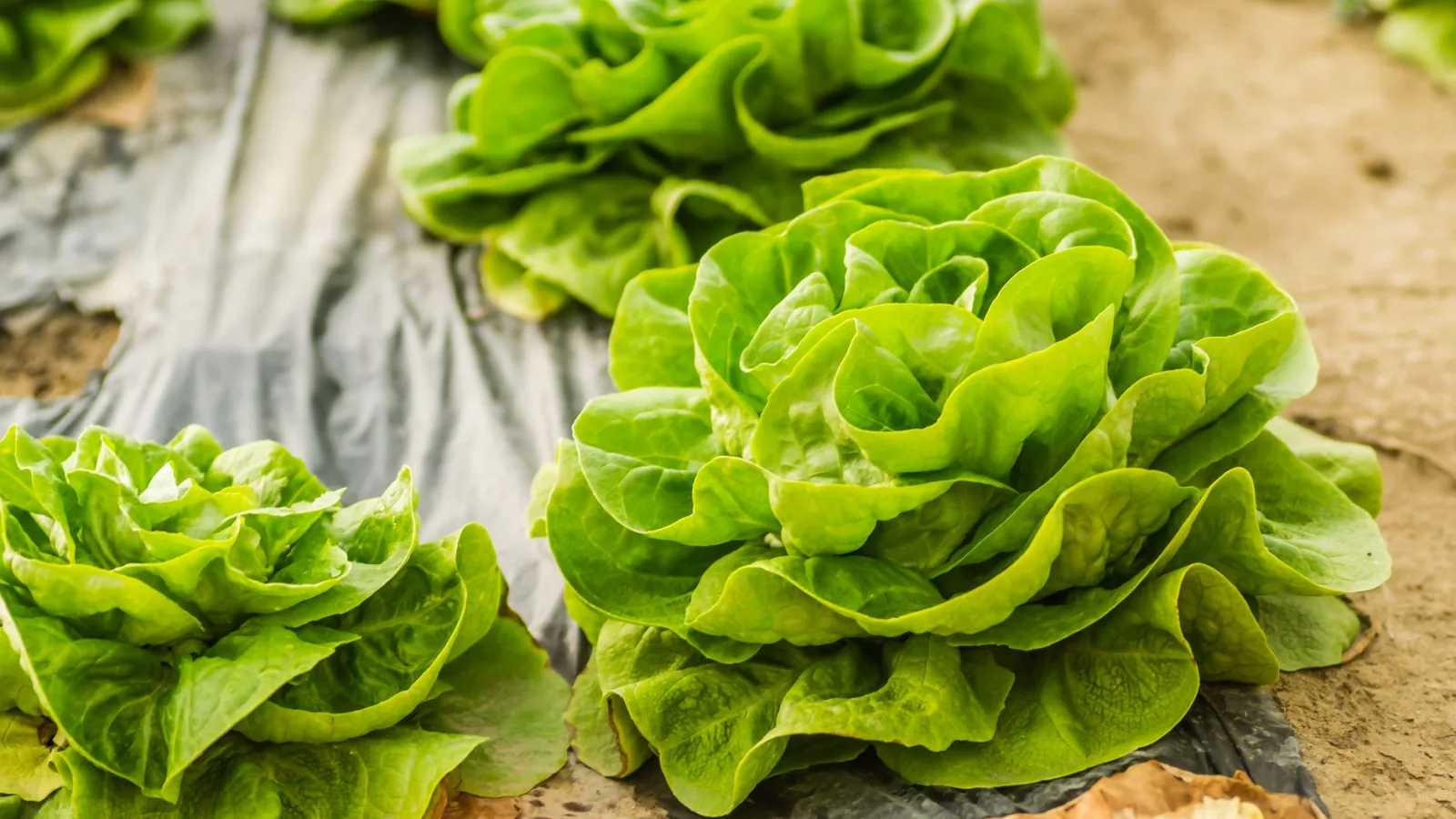
Step into the garden in the morning and pull an outer leaf from a head of lettuce, and a milky sap beads up where it tore. It feels sticky on your fingertips and tastes bitter on your tongue. The longer the plant has been in the ground, especially once a flower stalk starts pushing up at around two months, the thicker that sap becomes.
One of the oldest stories about lettuce starts right here: the saying that eating lettuce makes you sleepy. How much of that holds up depends on what is in the sap.
The Milky Sap at the Cut
The white latex that seeps from a cut stem or leaf contains lactucin and lactucopicrin, both members of a group of compounds called sesquiterpene lactones. That much is established by chemical analysis. These same compounds are what give lettuce its slightly bitter taste.
Leaves from the same plant taste different depending on when you pick them. As the flower stalk rises, the plant produces more latex and the leaves turn bitter. Outer leaves picked early from a spring planting are mild, while leaves picked after the stalk has shot up lead with bitterness. If your garden lettuce suddenly tastes different one day, look at the center of the plant. The flower stalk is probably already on its way up.
What the Sleep Studies Actually Used
There is research that looks at lettuce and sleep together. But the material those studies used was an extract drawn from the leaves of specific cultivars, such as Heukharang, a dark-leaved Korean variety. It is a concentrated preparation, so both the conditions and the dose differ from the few leaves on your dinner plate. Human studies are rare. For now, what can be said with confidence stops at the chemical composition.
So is there no point in serving lettuce with dinner? Not at all. Lettuce is high in water and fiber, which makes it a light way to round off a rich meal. When it comes to sleep, though, it is more accurate to claim only what has been confirmed. People have long reported sleeping well after eating lettuce, but the evidence is not yet there to explain that experience through the action of these compounds.
An Old Name in the Record: Wageo (萵苣)
The Donguibogam, the classic Korean medical compendium, lists lettuce in its materia medica section under the name wageo (萵苣). Two other old names for lettuce, baekgeo (白苣) and saengchae (生菜), appear alongside it. What can be confirmed is the name and the fact of the entry. The descriptions in old medical texts do not meet today's standards of evidence. Rather than mining an ancient record for health effects, it is better read as proof of how long lettuce has been on the table.
When to Sow and When to Harvest
In the Northern Hemisphere, sow seed in March and April and again in August and September. In the Southern Hemisphere the seasons flip, so shift everything by six months. One to two months after sowing you can start picking outer leaves one at a time, and the harvest runs from May through June and October through November in the Northern Hemisphere. Lettuce is grown in especially large quantities in China, the United States, India, Spain, and Italy, so wherever you live, finding a variety suited to your climate tends to be easy.
The leaves are relatively rich in vitamin K and beta-carotene and also provide folate. Red-leaf varieties add anthocyanins. Nutrient profiles and planting calendars by variety are laid out in our lettuce crop guide, so give it a look before you sow.
Bringing It to the Dinner Table
Beta-carotene is fat-soluble, so it is better absorbed when eaten with some oil. Serve lettuce as a salad dressed with olive oil and balsamic, or use the leaves for ssam, the Korean practice of wrapping grilled pork belly or beef in a leaf and eating it in one bite. Top it with ssamjang, a dipping paste of doenjang (fermented soybean paste) mixed with garlic and chili. The heat and fermented depth play well against the leaf's slight bitterness. Add a piece of kimchi and a fresh green chili, and you have packed fermented food and raw vegetables into a single bite.
- If you take an anticoagulant such as warfarin: lettuce is relatively high in vitamin K, so do not suddenly increase or cut back how much you eat. Keep your intake steady.
- If you have a sensitive stomach or tend to have cold hands and feet: avoid eating a large amount at one sitting, and pair it with garlic or warming seasonings.
- Right before driving or operating machinery: hold off on eating a large quantity at once. A normal serving causes no problem for most people, but those who are sensitive may feel drowsy.
The next time you pick lettuce for dinner, take a look at the cut. How much milky sap beads up tells you in advance how bitter that day's leaves will be. On a plant with heavy sap, pick the tender inner leaves first, and serve the bitter outer leaves with ssamjang or a rich dressing.