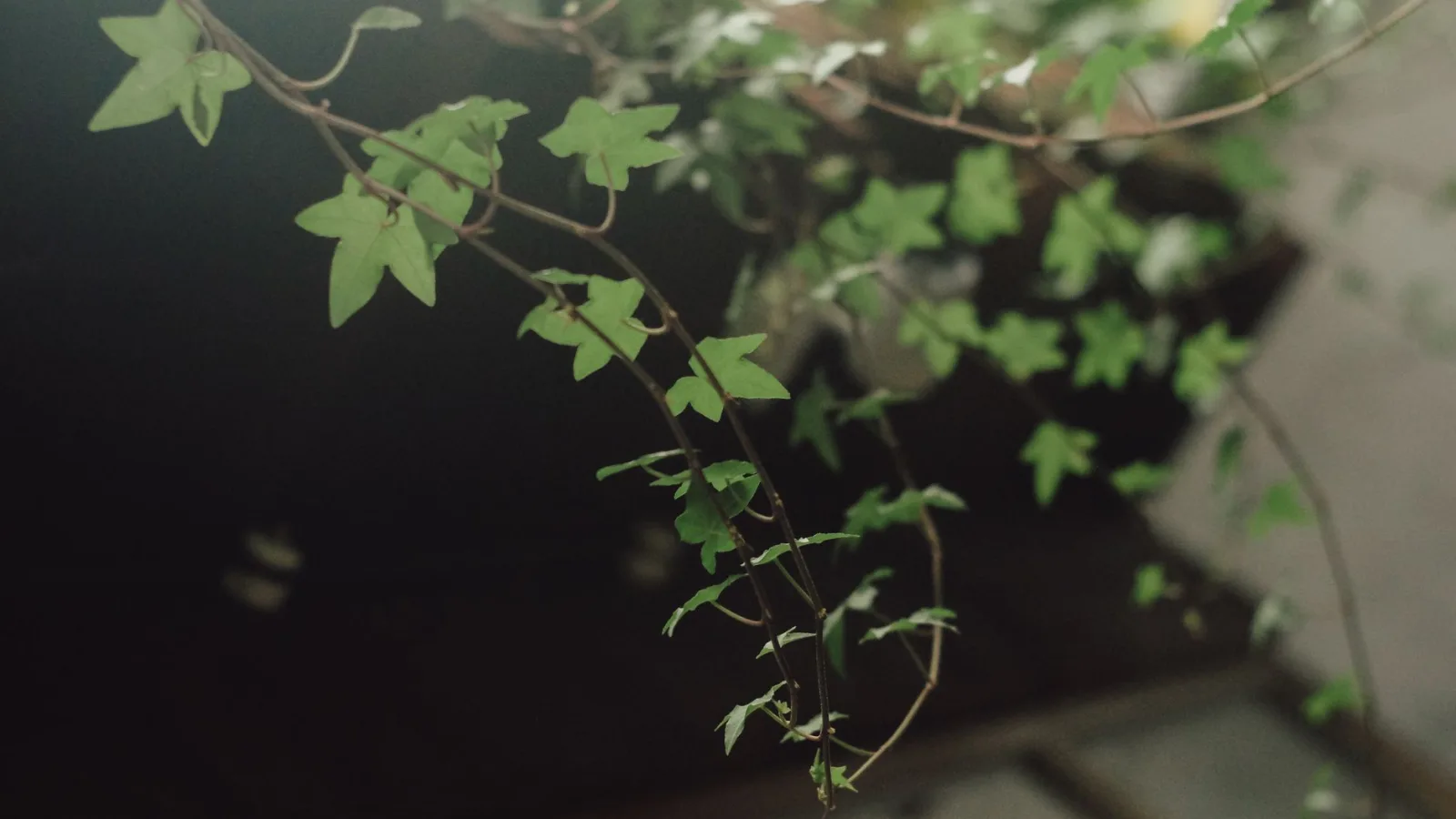
In late September, you may find a vine with long, arrow-shaped leaves tangled along the edges of your garden plot. It could well be Japanese bindweed. Its white rhizomes run long underground, and next month is the time to dig them up.
Japanese bindweed (Calystegia, called mekkot in Korean) is a perennial vine that grows wild along field edges, in meadows, and on riverbanks across Korea, China, and Japan. Its pale-pink, trumpet-shaped flowers open fully at midday. Its look-alike, the morning glory, blooms in the morning and wilts by midday, so the time of day the flowers are open is enough to tell the two apart. The plant is easy to grow. Once it takes root, though, it's hard to get rid of, so decide where it will live before you plant it.
Planting: Rhizome Pieces in March–April (Northern Hemisphere)
Japanese bindweed is propagated from rhizomes, not seed. In the Northern Hemisphere, cut the white rhizomes into pieces in March or April and lay them horizontally in the soil. It grows best at 18–28°C (64–82°F) and will grow anywhere between 5 and 35°C (41–95°F). It's cold-hardy, surviving winter as underground rhizomes and sending up new growth the following spring, so a single planting gives you a harvest year after year.
Any sunny spot will do, and it isn't fussy about soil. Because the rhizomes travel far underground, though, keep it out of the middle of your beds. Start by planting it by itself in a large pot or a deep planter box. Put a trellis or a stretch of fence beside it for the vine to climb, which also makes the shoots easier to pick.
Care: Keeping It Contained
Japanese bindweed handles heat and drought well and keeps sending out vines all summer. Water only when the soil has been dry for a while.
Keeping it from spreading takes more work than watering. The Dongui Bogam, Korea's classic 17th-century medical encyclopedia, notes that bindweed grows all over the fields and is the hardest of all weeds to hoe out, so farmers were fighting this vine centuries ago. Pulling up the vines won't finish it off. If any rhizomes are left in the soil, the plant will come right back. Pull any vines that creep over the rim of the pot as soon as you see them. Set the pot on bricks or boards instead of directly on bare soil; that makes it harder for rhizomes to slip out through the drainage holes and take root in the ground. If you garden in a community plot, check once or twice a month that it hasn't crept into your neighbors' beds.
Harvesting: Young Shoots in Spring, Rhizomes in Fall
In the Northern Hemisphere, snap off the young shoots in April and May and cook them as namul (seasoned greens). Pick them while they're tender, or they won't be soft after blanching. In October, dig up the white rhizomes underground. Their stringy texture comes from dietary fiber, so choose thick, white ones, peel them, and cook them until they're completely soft.
The flowers were harvested too. The Dongui Bogam says to pick them in the fifth lunar month (around June) and dry them in the shade. It adds that the flowers are shaped like a drum, which is why they're also called gojahwa (鼔子花), or "drum flower."
How to Eat It: Steamed Rhizomes and Seasoned Shoots
The Dongui Bogam lists bindweed in its herb section (Chobu, 草部) as seonhwa (旋花) and records its native Korean name as metkkot, an older form of today's mekkot. It describes the plant as warm in nature, sweet in flavor, and nontoxic. It adds that the root has no hairs or joints and is good steamed. From this we can guess that bindweed was a famine food, eaten in place of grain in lean years. Keep in mind, though, that what old medical texts say is not the same as modern medical advice.
The mild sweetness of the steamed rhizome comes from starch, which the body breaks down into glucose and burns for energy. Researchers first isolated a group of alkaloids called calystegines from plants in the Calystegia genus, which gave the compounds their name. Later analyses have found them throughout the morning glory family (Convolvulaceae). These studies only show that the compounds are present. They don't yet tell us what, if anything, the compounds do in the body.
Try steaming peeled rhizomes until tender and sprinkling them with a little salt. They're drier and denser than potatoes or sweet potatoes, so serve them with something brothy, like a soup or stew. Toss blanched young shoots with doenjang (Korean fermented soybean paste). A little garlic is what brings out their flavor. They're mild enough to taste bland on their own, so mix them with stronger-flavored spring greens, which also makes the batch go further. If this is your first time eating the plant dug from the wild, start with a small amount.
Today, walk the edges of your garden plot and mark any vines with arrow-shaped leaves. In October, dig up the rhizomes and try steaming them. Next March or April, dig a few pieces from the same spot and plant them in a pot.
Sources: Dongui Bogam, Herb Section (草部), "Seonhwa" (旋花) · Korea National Arboretum, Korean Plant Names Index