You finish up in the garden on a summer evening and there they are — fresh bites on your forearms. Gardeners who work both a rooftop bed downtown and a weekend plot out past the suburbs often notice the mosquitoes are worse in one place than the other, even in the same season. Climate alone doesn't settle it; what surrounds the garden matters too. A mosquito ecology study conducted in eastern China from 2016 to 2021 puts numbers to that difference.
81–86°F and 2.5–4 inches of monthly rain — the conditions mosquitoes love
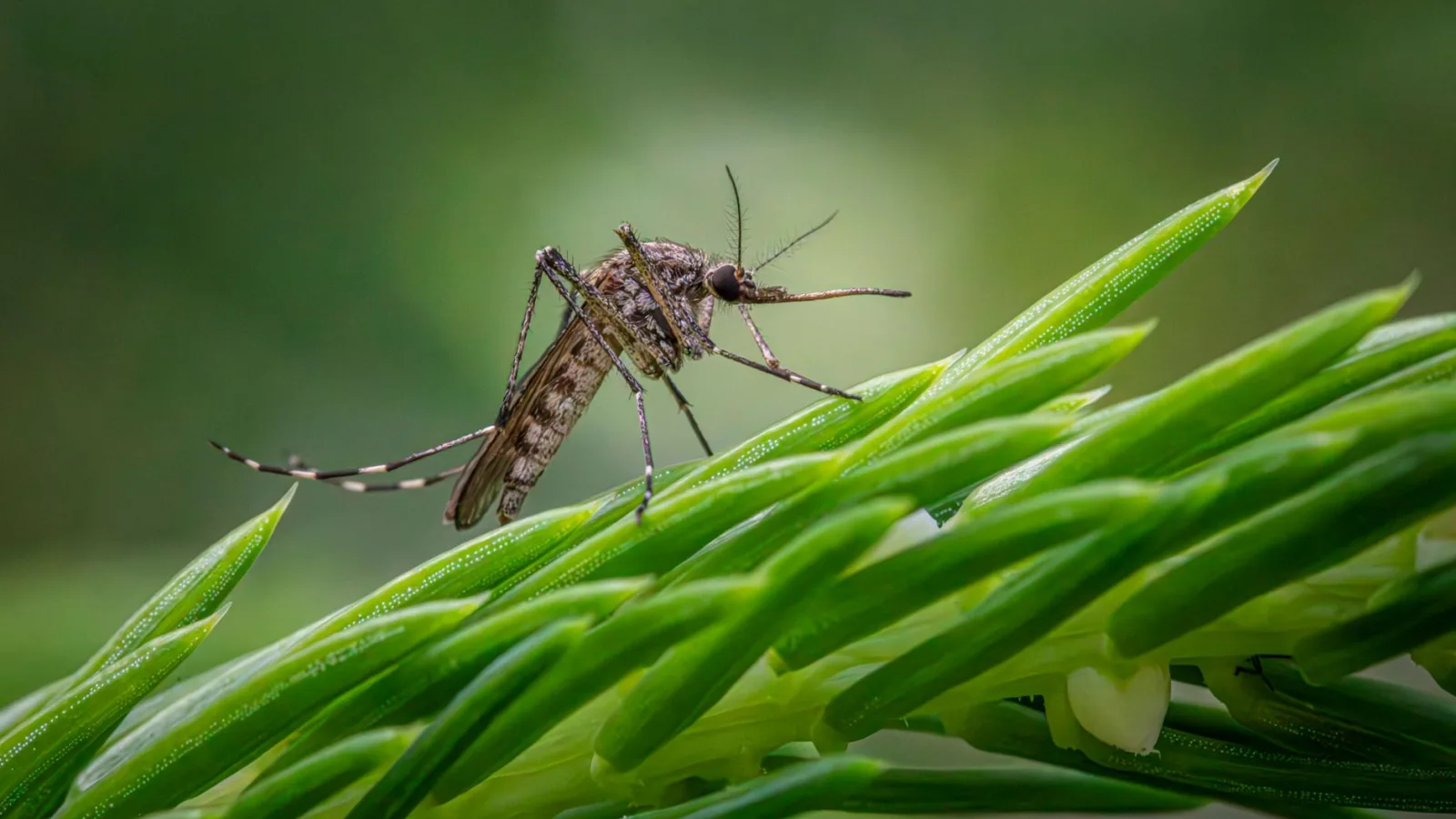
The study tracked Anopheles sinensis, a malaria-carrying mosquito, across both rural and urban settings. Over six years researchers collected roughly 50,000 specimens and analyzed them alongside temperature, rainfall, degree of urbanization, the presence of livestock, and whether crops were being grown.
In rural areas, mosquito activity peaked when temperatures sat between 27 and 30°C (81–86°F). Numbers hit their high point about a month after temperatures reached that range — which is why the mosquitoes don't let up right away once a heat wave breaks. Rainfall mattered too. Risk climbed when monthly precipitation fell between 65 and 100mm (roughly 2.5 to 4 inches); above or below that window, it tended to drop off.
Cities behaved differently. Instead of spiking within one specific band, urban risk simply rose with the heat and rose with the rain. Paved streets and built structures leave fewer places for water to pool, but when the heat-island effect combines with patchy drainage, mosquito activity ramps up fast.
Growing crops brings a few more mosquitoes
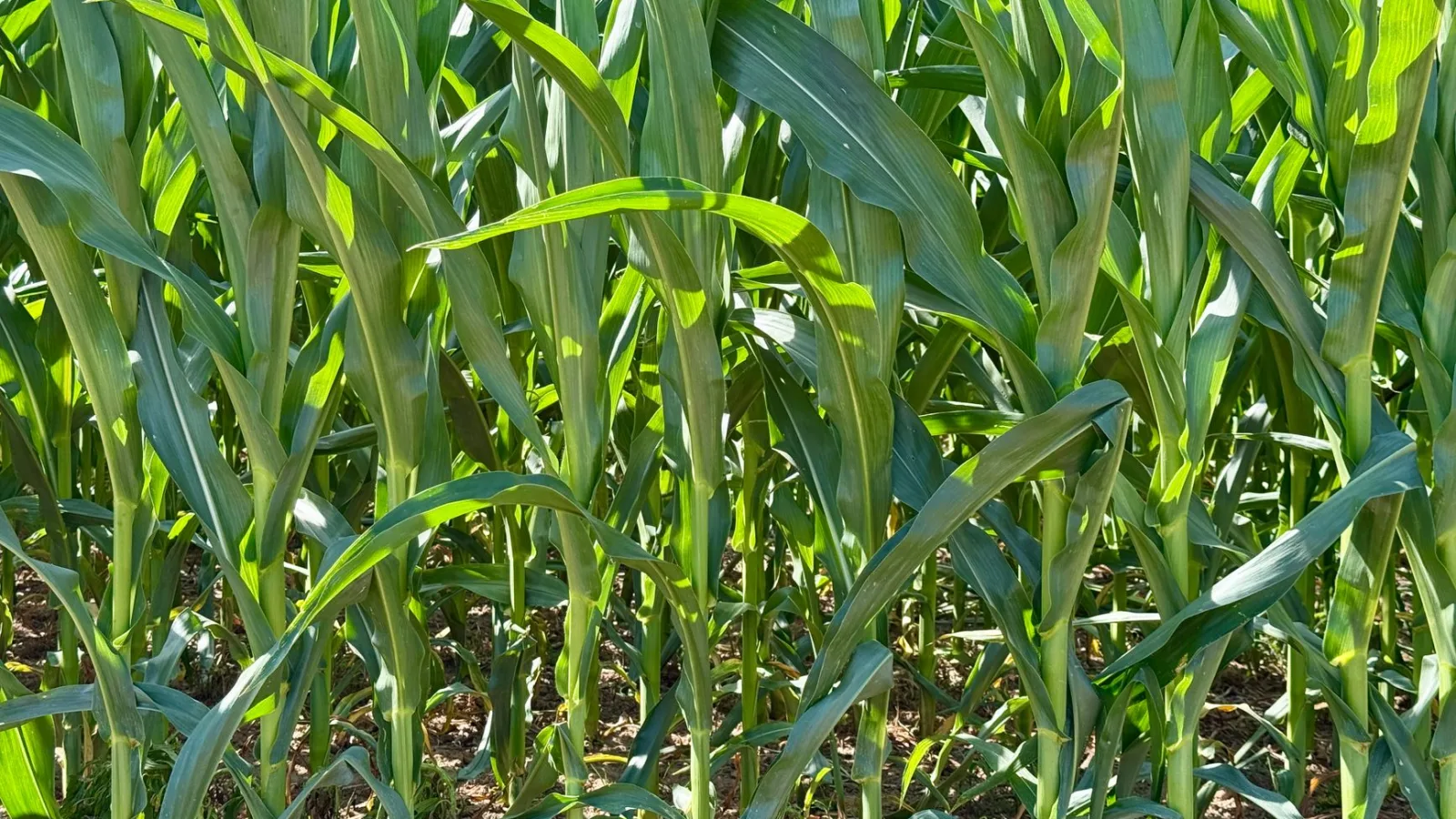
Areas under cultivation had roughly 3–4% more mosquitoes than areas without crops. The shade plants cast, the moisture they hold, and the dampness in the soil between them add up to slightly friendlier mosquito habitat. A garden you water often keeps its soil surface consistently damp, which is exactly what mosquitoes look for when laying eggs. Thirsty crops — leafy greens, or fruiting vegetables like tomatoes and cucumbers — are especially good at creating those conditions.
The percentage itself is small. But it compounds when it lands in July and August, when temperature and rainfall are already in the sweet spot. So dump the water out of your pot saucers. Check the watering can, the lid of the rain barrel, and any puddles in the furrows between beds. Mosquitoes will breed in a startlingly small amount of standing water. And if you use plastic mulch, it's worth lifting an edge once or twice over the summer to see whether water has backed up underneath.
Why city gardens come out ahead
In densely populated urban areas, mosquito counts ran 32–37% lower. The researchers called this the "urban density paradox." A higher degree of urbanization nudges mosquito density up slightly — but the more tightly packed the people, the fewer mosquitoes overall. Paved roads, engineered drainage, and closely built structures simply eliminate the places mosquitoes need to lay eggs.
In the countryside, the presence of livestock such as cattle or water buffalo cut the risk of humans being bitten by 20–33%, since the mosquitoes feed on the animals instead. City gardens have no livestock, so they get none of that benefit. What they get instead is an environment that suppresses mosquito numbers on its own terms.
That advantage disappears the moment water starts standing, even downtown. After the rainy season, when temperatures settle at 27–28°C (81–82°F), clear out the standing water first — and consider shifting evening chores to early morning. Small habits go a long way toward making a summer garden pleasant again.