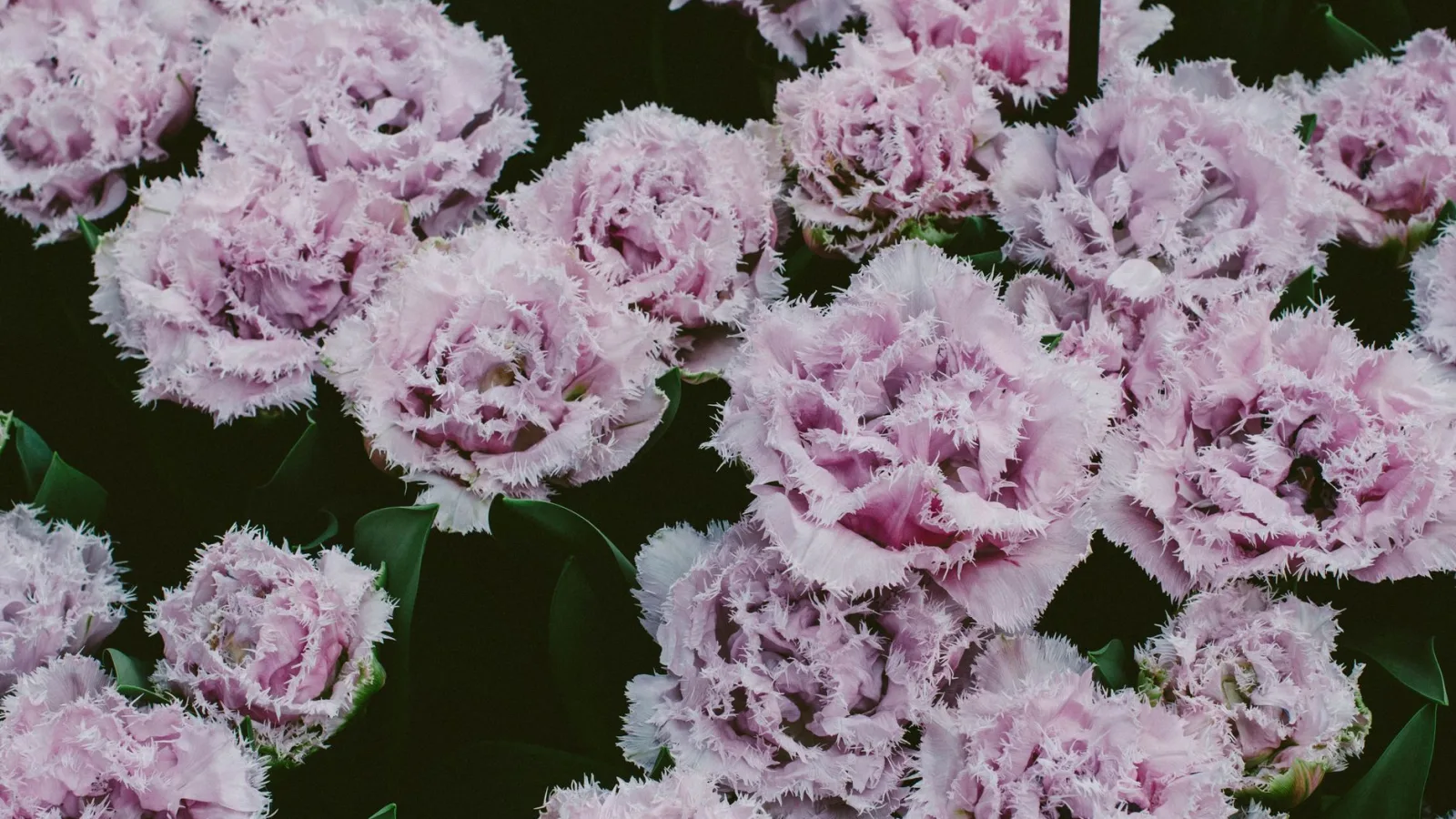
By the end of August the bed is a patchwork: some flower stalks half dried out, others still holding their pink petals. China pink (Dianthus chinensis) is a perennial that opens and drops a few blooms at a time all summer long, so in the Northern Hemisphere you see flowers from June through August. It's common enough along roadsides and at the foot of walls that a plant you never sowed may turn up at the edge of the vegetable patch.
The petals still out there can go straight to the table, and if you leave the ripened pods alone, you'll have more plants next year. This ordinary garden flower also has a name in the old medical books.
The Name Written Down as Gumaek
In the herbs section (草部) of the Donguibogam, the seventeenth-century Korean medical compendium, this flower appears as gumaek (瞿麥), with the Korean name given as seokjukhwa. Its nature is cold, the entry says, its taste bitter and pungent — though some call it sweet. It carries no toxicity. An alternate name, seokjuk (石竹), is listed alongside. The book notes that the plant grows everywhere, and it explains the name itself: the seeds resemble grains of barley (麥), which is how gumaek came to be called that.
The harvest time is recorded too. After ipchu (立秋, the solar term falling in early August in the Northern Hemisphere, which opens autumn on the old calendar), gather the seeds together with the leaves and dry them in the shade. The same entry also holds a line saying the stems and leaves go unused and only the husk of the fruit is taken, and another to the effect that it should not be used during pregnancy. All of this is a record from an old medical text, and not a judgment we would make today. The heading and the reading are transcribed in the Donguibogam entry for seokjukhwa.
What Modern Analysis Finds Inside
Analyses have isolated triterpene saponins from plants in the genus Dianthus, and the same work reported that these are relatively concentrated in the seeds and leaves. That is a statement about what is present, not about what it does. Flavonoids have also been reported in this group.
The pink and red of the petals comes from anthocyanins. Pigment analysis established that much, and anthocyanins are known to shift color with acidity. That is why the petals read brighter when they land on a vinaigrette.
Where the Two Accounts Overlap, and Where They Part
On the question of which parts to use, they overlap. The old book says to gather the seeds and leaves, and the parts reported to hold the most saponin are also the seeds and leaves. But the same entry carries that other line about using only the husk of the fruit, so even within the text the instructions don't settle into one answer.
On use, they diverge. The old book reasoned from the plant's cold nature toward what it was good for; modern analysis stops at naming what's in it. Nothing in it carries through to evidence of a benefit in people who eat it. So the right place for this flower is as an edible bloom you enjoy for its color, not as a remedy. If you're pregnant or taking medication, keep the amount small even with petals, and take the caution in the old record at face value.
Sowing and Gathering
Sow in April or September in the Northern Hemisphere. Spring sowings flower that same summer; fall sowings overwinter as young plants and start blooming the following June. Give it good sun and soil that drains, and it asks for almost nothing else. In a pot, mix in coarse sand. Deadhead the spent flowers and new stalks keep coming up through August. The calendar and the growing conditions are laid out in the China pink guide.
Putting the Petals on the Table
- Pinch off the white heel at the base of each petal. That's where the bitterness sits.
- Scatter them over a salad at the very last moment. They're light, and anything added on top of them crushes them. With a vinegar dressing, the pink comes alive.
- Brush them with a thin coat of egg white, dust with superfine sugar, and let them dry — candied this way, they keep as a garnish for a long time. Store them in an airtight container once they're fully dry. Any moisture and they go limp within a day.
- Drop one petal into each cell of an ice cube tray and fill with water. Float a cube in a drink and the color spreads as it melts.
Pick the few deepest-colored blooms in the bed today, pinch off the white heels, and set them in the ice tray. Leave the remaining stalks standing and the seeds will ripen into your September sowing.