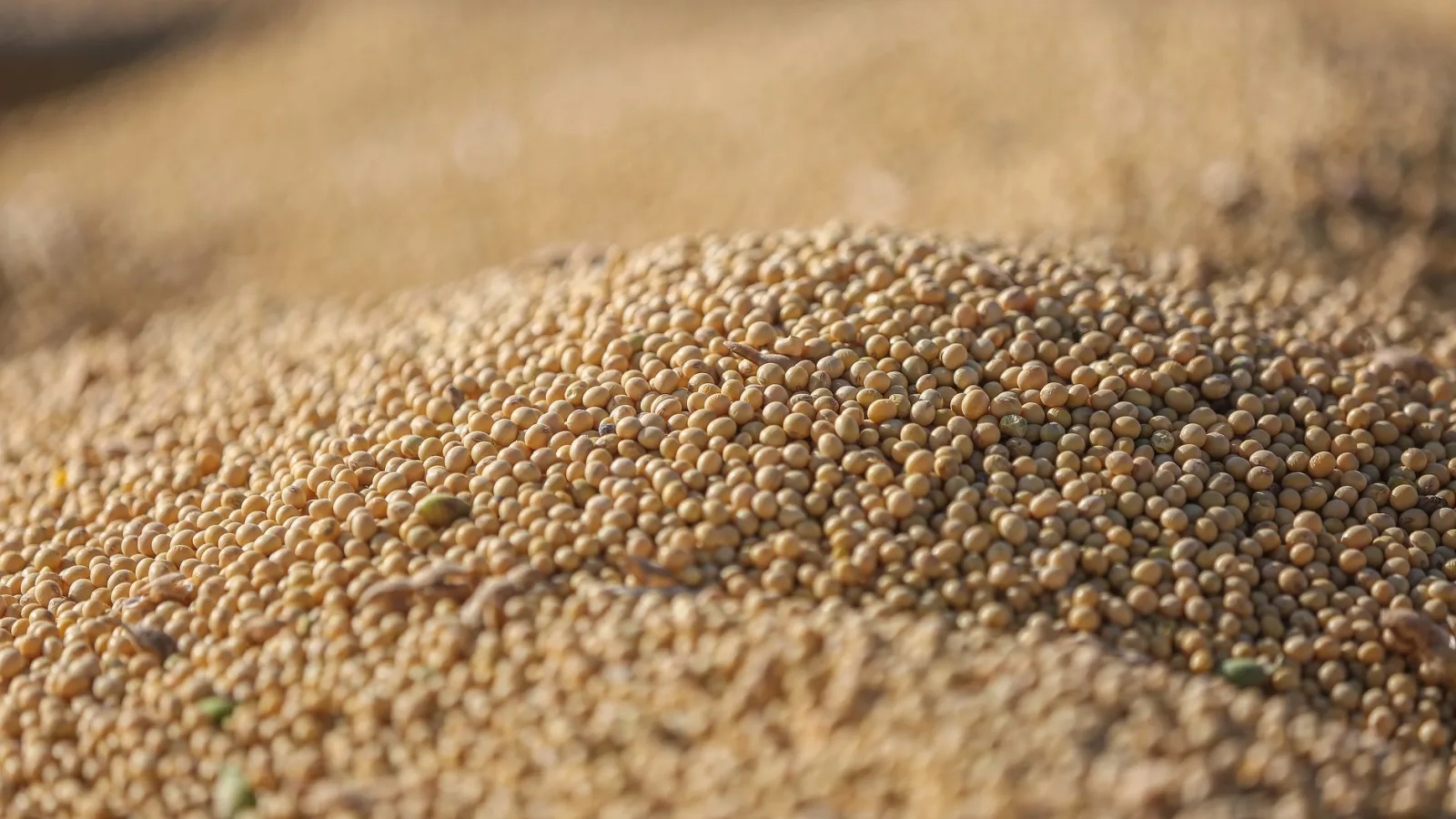
When the soybean pods in your fall garden turn yellow and dry, it's time to harvest. Thresh the plump, ripe beans and dry them in the sun, and they'll carry you through winter as tofu and soy milk. They can also become fermented staples like doenjang (Korean soybean paste, made from fermented blocks of mashed beans called meju) and cheonggukjang (a pungent, quick-fermented soybean paste). The beans are the same and they come from the same patch, yet recent research suggests that how you process them changes how they affect your body.
Not All Soy Foods Are Created Equal
Studies on soy and health have long produced mixed results, largely because they treated soy as a single ingredient. Foods made in different ways and eaten for different reasons are likely to affect the body differently, but those differences were lost when everything was counted together.
One research team went back to U.S. National Health and Nutrition Examination Survey (NHANES) data collected from 2007 to 2020 and sorted it by type of soy food. The categories were:
- Fermented soy foods, such as doenjang and cheonggukjang
- Unfermented soy, such as tofu and soy milk
- Soy-based meat substitutes
- Powdered soy protein supplements
- Processed foods containing small amounts of soy
The researchers focused on the American diet, where people eat relatively little soy and much of what they do eat is processed. They looked at each category's relationship with fatty liver separately.
Fermented Soy and Fatty Liver
The fatty liver in question is the kind that comes with metabolic dysfunction (often called MASLD), in which fat builds up in the liver. After accounting for factors such as age, body weight, and lifestyle habits, only two categories were linked to a lower risk of fatty liver: traditionally fermented soy foods and soy-based functional snacks. Unfermented soy like tofu and soy milk, soy meat substitutes, soy protein supplements, and processed foods with added soy showed no clear link.
Fermentation turns soy protein and isoflavones into forms the body absorbs more easily, and this change is thought to help with fat metabolism. Still, the findings don't mean that fermented soy cures fatty liver. People who ate it regularly were observed to have a lower risk, so this is about prevention and support, not treatment. The strength of the link also varied from person to person and with lifestyle, and it's too early to draw firm conclusions about the benefits of long-fermented soy.
Ways to Enjoy Your Garden Soybeans
If you harvested soybeans this fall, try making cheonggukjang. Keep cooked soybeans in a warm spot for about two days, and fermentation will begin, producing the paste's signature sticky strands. If you have doenjang on hand, simmer it into a stew (jjigae) with tofu and Korean zucchini from the garden. Tofu and soy milk are good sources of protein too, so feel free to serve them in rotation with fermented soy.
Instead of relying on soy protein powders or processed soy meats, make room on your winter table for doenjang and cheonggukjang slowly fermented from beans you grew yourself. Tonight, start simple: take a spoonful of doenjang from the fridge and make a pot of soup.