
Tangaek — Decoctions · Herbs
馬鞭草 Vervain
 Related Crop · Vervain →
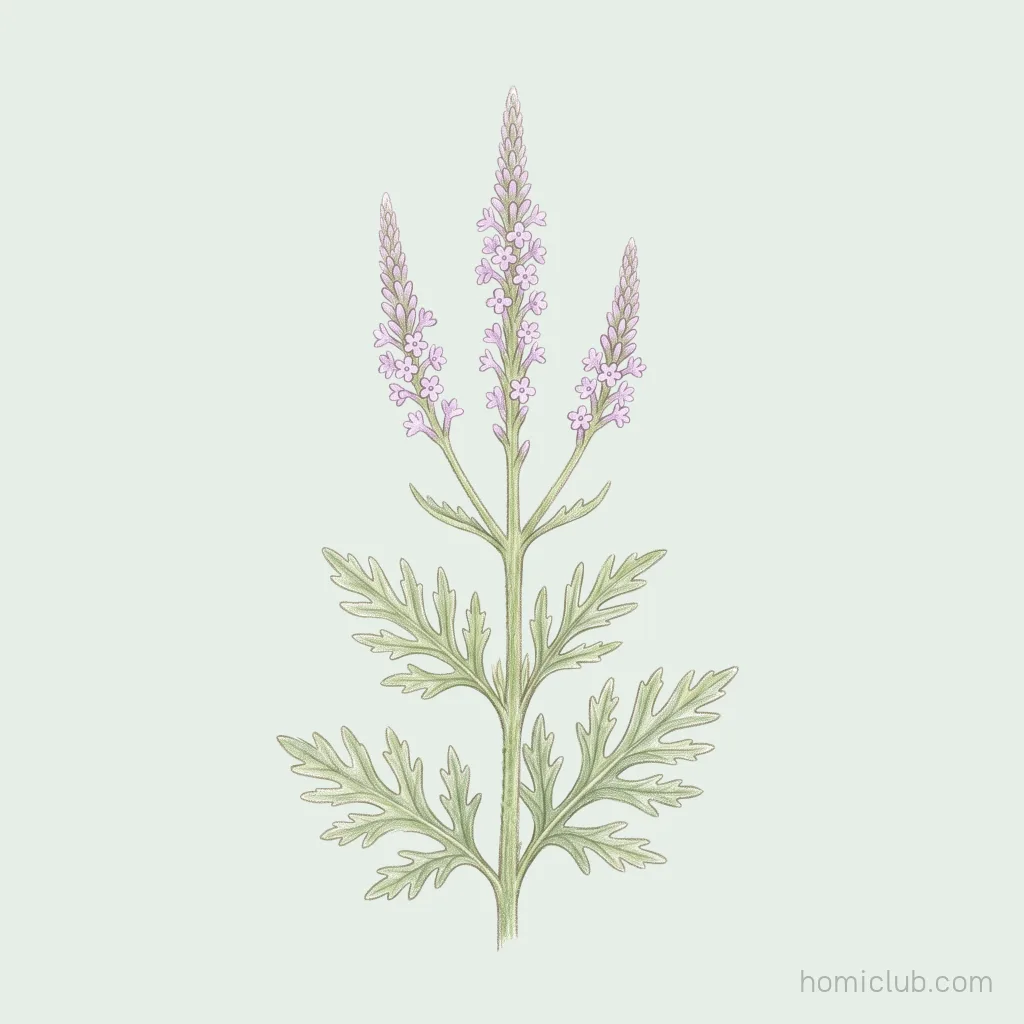
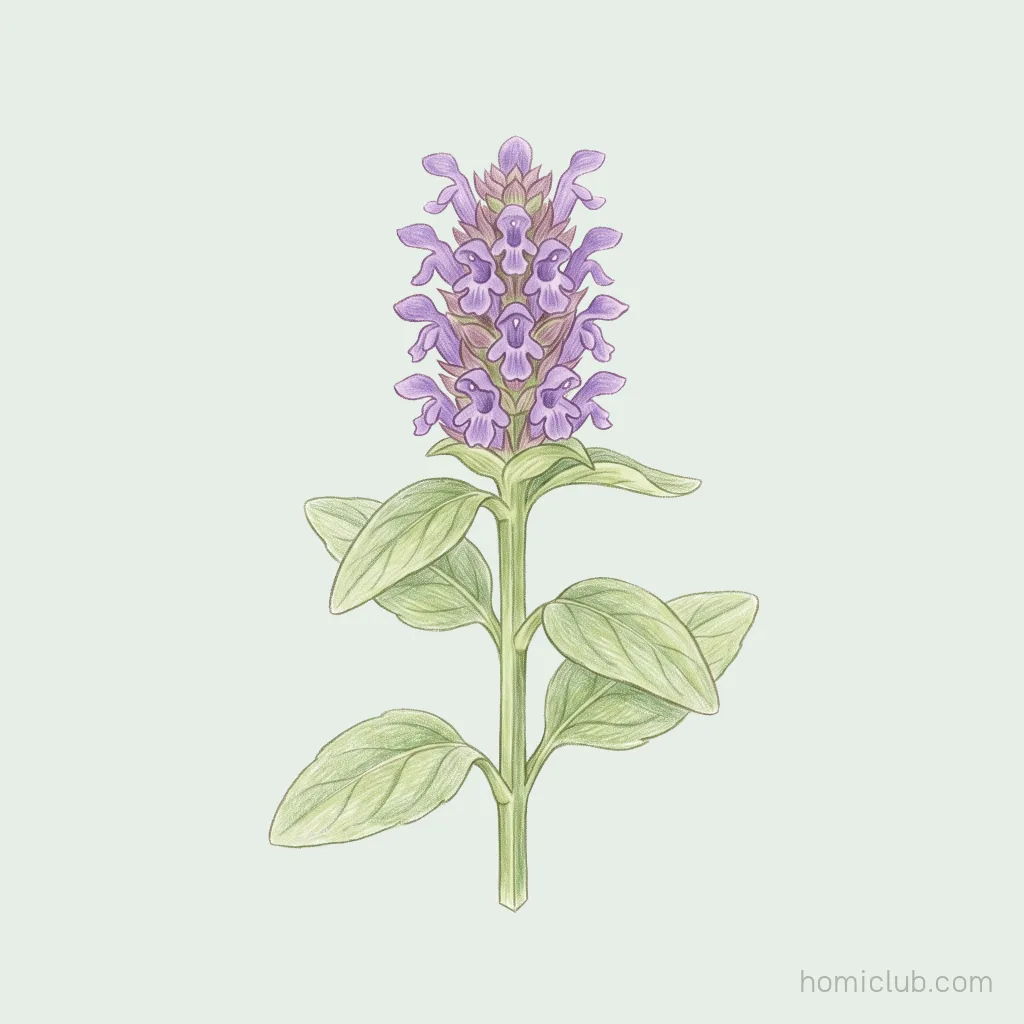
Mapyeoncho is a perennial of open ground. It looks like motherwort but with a round stem, and the three or four slender spikes it throws up resemble the lash at the end of a horsewhip, which is where the name comes from. The same genus is grown today as verbena, in gardens and in herbal tea.
Original, read line by line 東醫寶鑑 · Tangaek — Decoctions vol. 3
-
性凉, 味辛一云苦, 無毒一云有毒.
Its nature is cool and its flavor pungent, though some say bitter. It is generally considered non-toxic, though some sources note mild toxicity, so caution is advised.
-
主癥癖血瘕久瘧.
It treats abdominal masses, blood stagnation lumps, and chronic intermittent fevers that linger without resolution.
-
破血, 通月經, 殺蟲良.
It breaks up stagnant blood, regulates menstruation, and is excellent for expelling parasitic worms.
-
治下部䘌. 《本草》
It treats ulcerative sores in the lower body, as recorded in the Bencao.
-
似益母而莖圓.
It resembles motherwort in appearance, but its stem is round rather than square, which sets it apart.
-
抽三四穗, 類鞭鞘, 故以爲名.
It puts forth three or four spike-like flower stalks that resemble the lash of a horsewhip, which is the origin of its name.
-
七月八月採苗, 日乾. 《入門》
The young shoots are gathered in the seventh and eighth lunar months and dried in the sun, as noted in the Yixue Rumen.
Related Crop
Vervain →
Herbs — more entries

This is a cultural and historical record from a classical text, not a claim about any food’s effects. Nothing here is a health supplement or intended to prevent or treat disease. Consult a medical professional about health concerns. · Text: Korean Medicine Classics DB · Reading: Homiclub