
Tangaek — Decoctions · Herbs
續隨子 Soksuja (속수자)

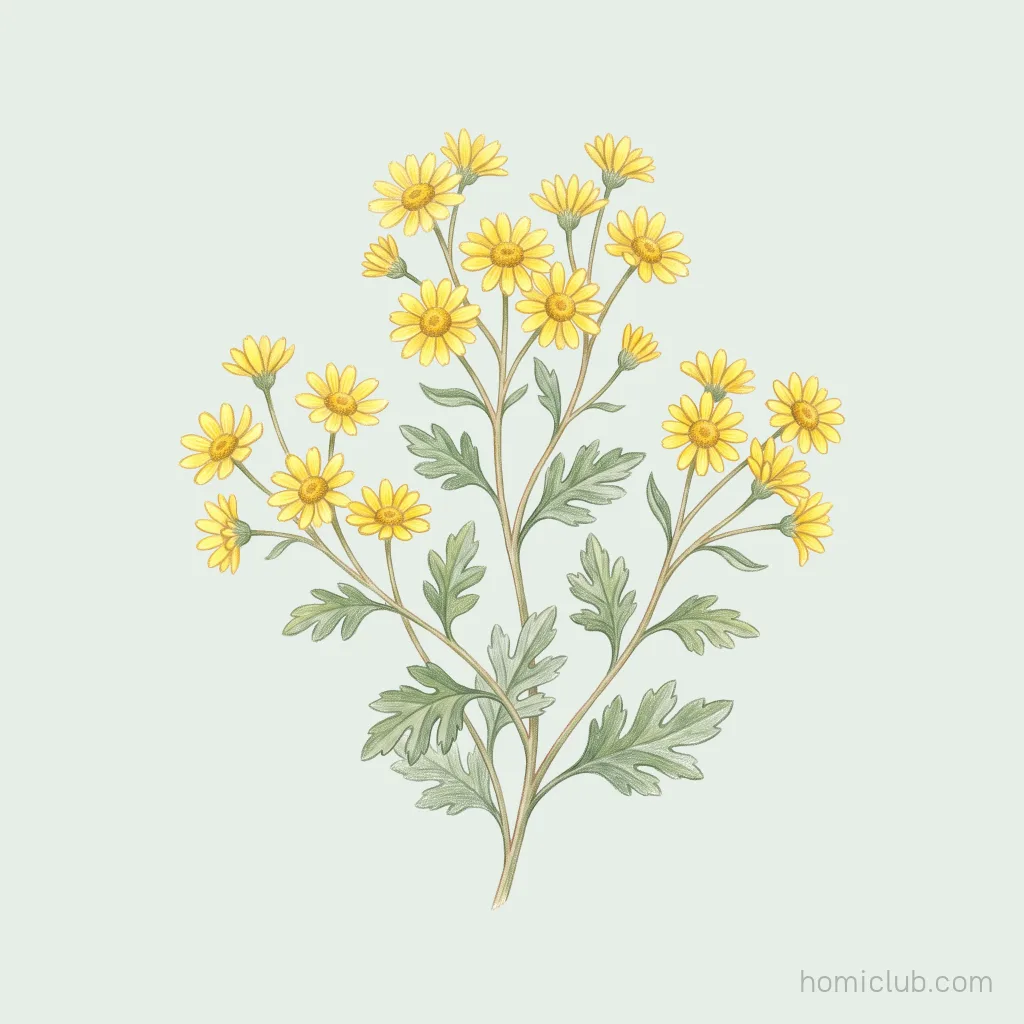
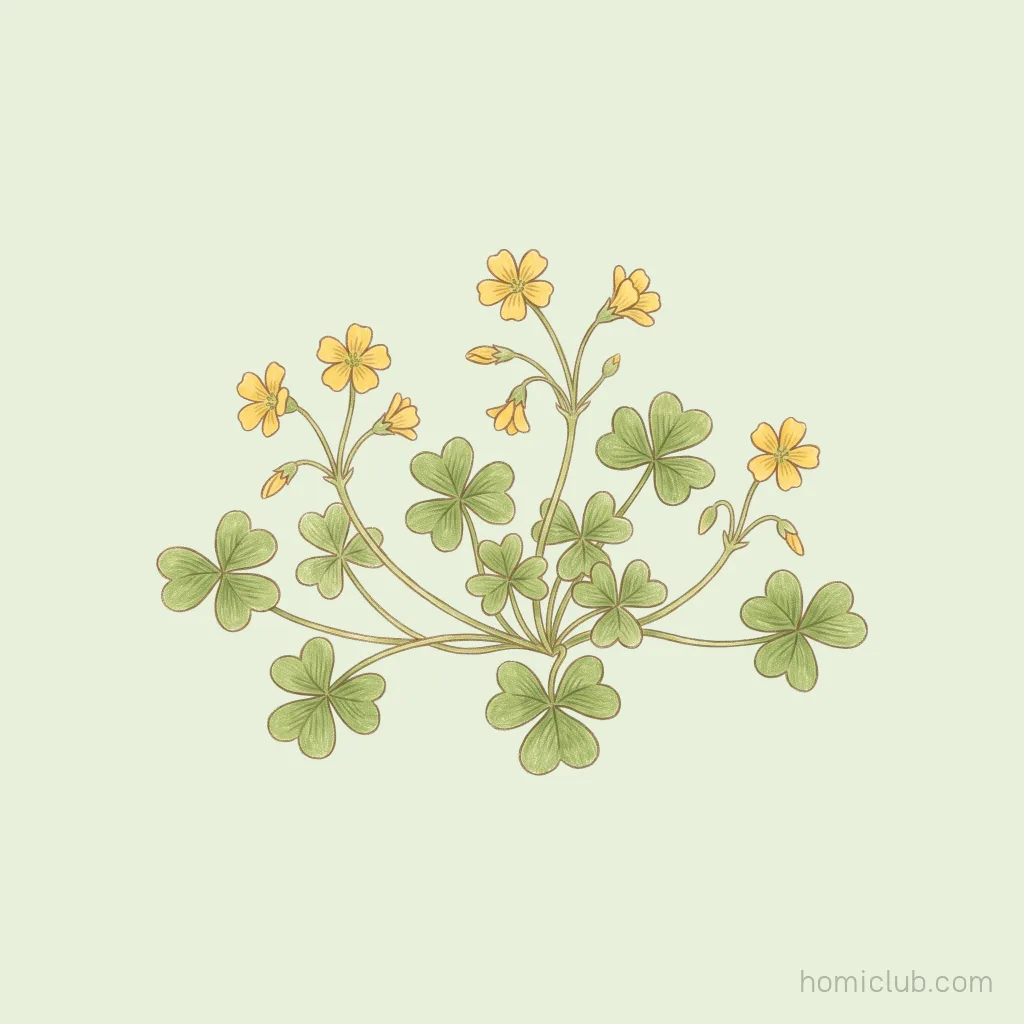
Soksuja is the seed of a biennial spurge, also called cheongeumja, thousand-gold seed, and yeonbo. The text calls it poisonous and warns against large amounts; the seed was hulled, ground, wrapped in paper and pressed to squeeze out its oil before use.
Original, read line by line 東醫寶鑑 · Tangaek — Decoctions vol. 3
-
性溫, 味辛, 有毒.
Its nature is warm, its taste pungent, and it is toxic.
HomiclubSoksuja is the seed of Euphorbia lathyris of the spurge family (Euphorbiaceae), a plant that is poisonous in all its parts, including the seeds and roots. A 2018 review describes the seed as intensely irritating to the intestine and summarises its acute toxicity.
-
主癥瘕, 痃癖, 瘀血, 蠱毒, 心腹痛.
It governs abdominal masses (癥瘕), string-like aggregations (痃癖), static blood, gu poison (蠱毒), and pain in the heart region and abdomen.
-
利大小腸, 下惡滯物, 破積聚.
It frees the large and small intestines, brings down foul stagnant matter, and breaks up accumulations (積聚).
-
一名千金子, 一名聯步.
It is also called cheongeumja (千金子), and also yeonbo (聯步).
-
生南方, 採無時.
It grows in the south and is gathered at any time.
-
下水最速, 然有毒損人, 不可過多. 《本草》
It brings down water most quickly, but it is toxic and harms people, so it must not be used in excess. 《Boncho (本草)》
-
去殼硏, 以紙包, 壓去油用. 《入門》
Remove the shell, grind it, wrap it in paper, and press out the oil before use. 《Immun (入門)》
Herbs — more entries
This is a cultural and historical record from a classical text, not a claim about any food’s effects. Nothing here is a health supplement or intended to prevent or treat disease. Consult a medical professional about health concerns. · Text: Korean Medicine Classics DB, collated with the Jangseogak copy of the 1613 wooden movable-type edition · Reading: Homiclub