
Tangaek — Decoctions · Herbs
白蒿 Baekho (백호)

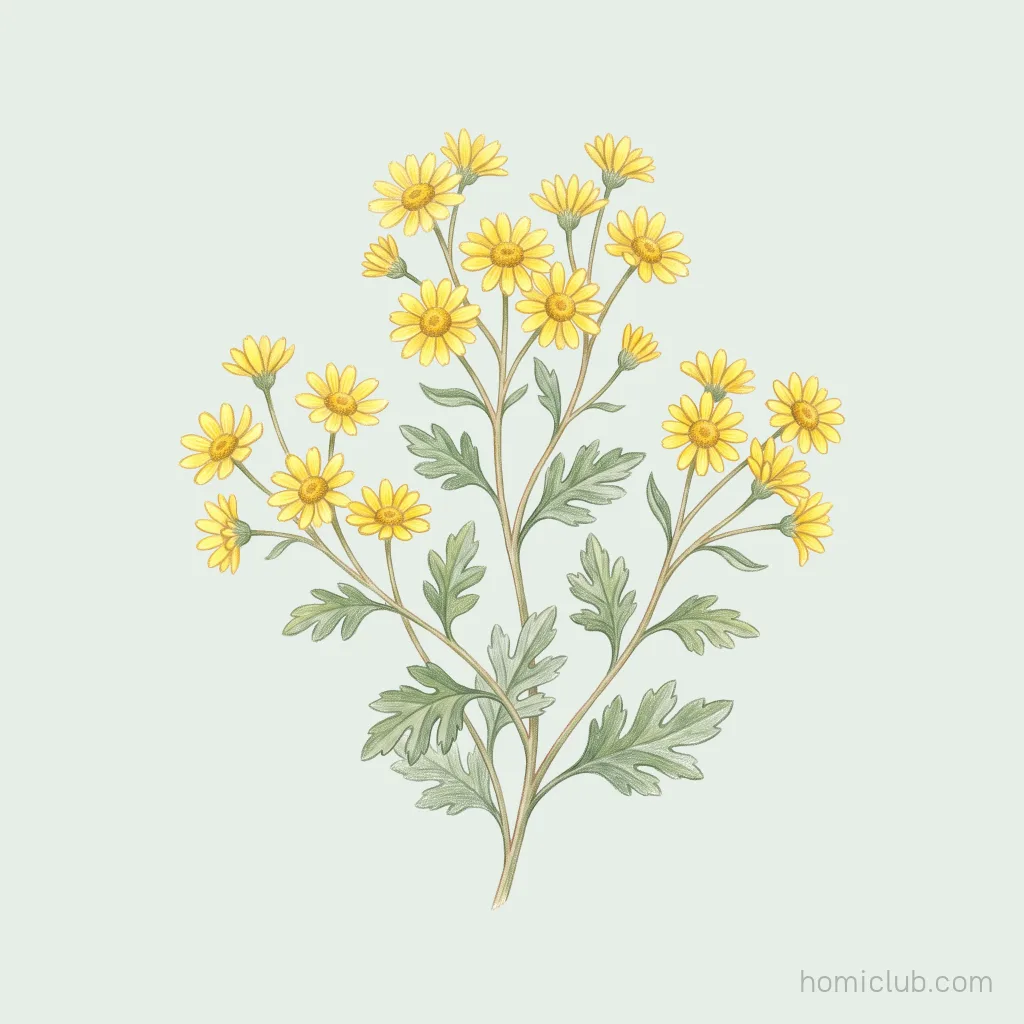
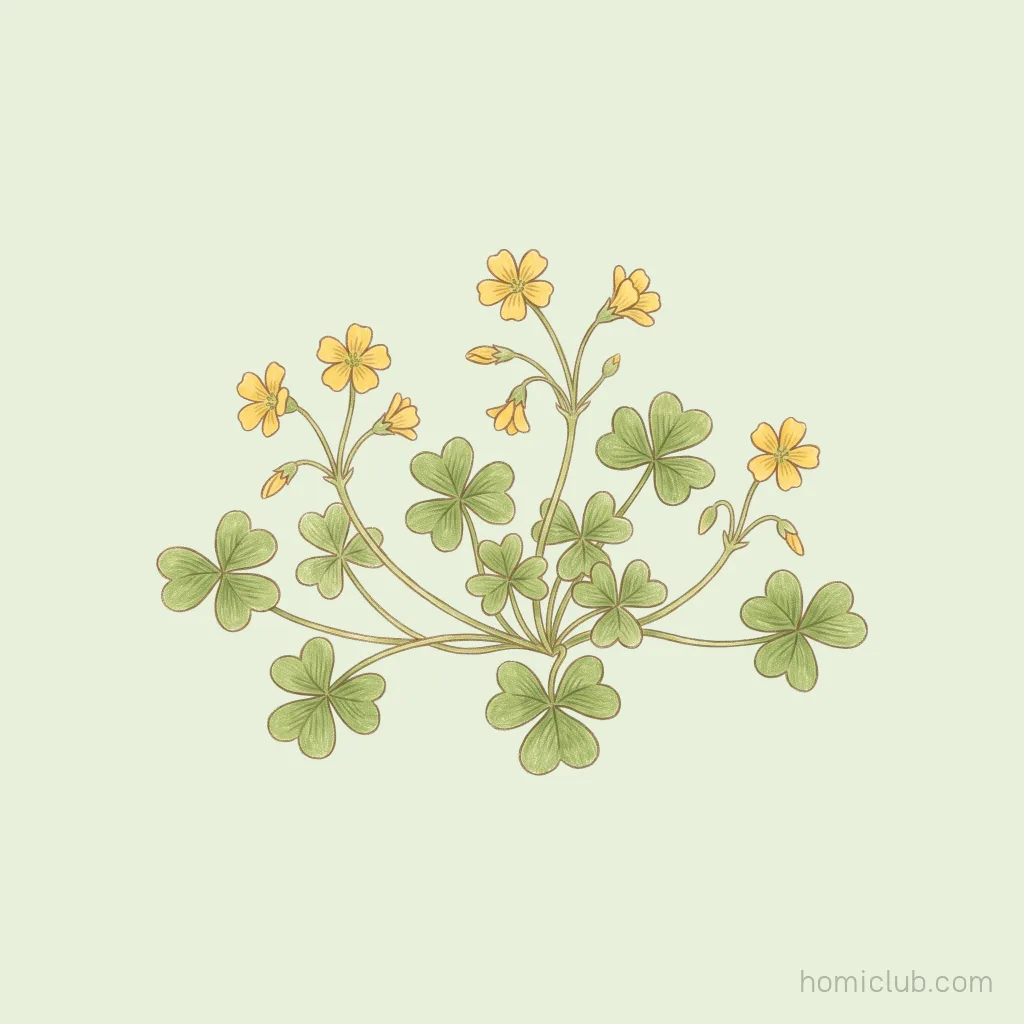
Baekho is a wormwood-family plant, also called bongho. White hairs mat its leaves into a rough surface much like fine mugwort, and it is the first of the field plants to show in early spring. Picked in the second month, it was steeped in vinegar and put up as a pickle.
Original, read line by line 東醫寶鑑 · Tangaek — Decoctions vol. 3
-
性平, 味甘, 無毒.
Its nature is neutral, its taste sweet, and it is without toxicity.
-
主五藏邪氣, 風寒濕痺.
It governs evil qi in the five viscera and impediment from wind, cold, and dampness.
-
療心懸少食常飢.
It treats the sensation of the heart hanging suspended, and constant hunger despite eating little.
-
白蒿, 蓬蒿也. 所在皆有.
Baekho is bongho. It is found in every place.
HomiclubThe name bongho (蓬蒿) is also used in China for crown daisy (茼蒿), and the vegetable section of the Bencao gangmu lists bongho as another name in its crown daisy entry. The same characters thus point to two plants; the white hairs and the likeness to a slender mugwort described in this entry fit the mugwort group.
-
春初最先諸草而生, 上有白毛錯澁, 頗似細艾.
In early spring it sprouts before all other plants; its upper parts bear tangled, rough white hairs, and it much resembles a fine mugwort.
HomiclubThe white down covering leaves and stems makes the whole clump look pale from a distance. The Korean gloss the Dongui Bogam writes beside the heading, gat nal je huin ssuk, 'white mugwort when just sprouted', likewise points to the young shoot newly up and wrapped in down.
-
二月採, 自春及秋, 香美可食.
It is gathered in the second month; from spring through autumn it is fragrant and tasty, fit to eat.
-
醋淹爲菹, 甚益人. 《本草》
Pickled in vinegar as a jeo, it greatly benefits a person. 《Boncho (本草)》
HomiclubPicking it in spring, blanching, then dressing or pickling it is no different from how mugwort namul is handled today.
Herbs — more entries
This is a cultural and historical record from a classical text, not a claim about any food’s effects. Nothing here is a health supplement or intended to prevent or treat disease. Consult a medical professional about health concerns. · Text: Korean Medicine Classics DB, collated with the Jangseogak copy of the 1613 wooden movable-type edition · Reading: Homiclub