
Tangaek — Decoctions · Herbs
知母 Jimo (지모)

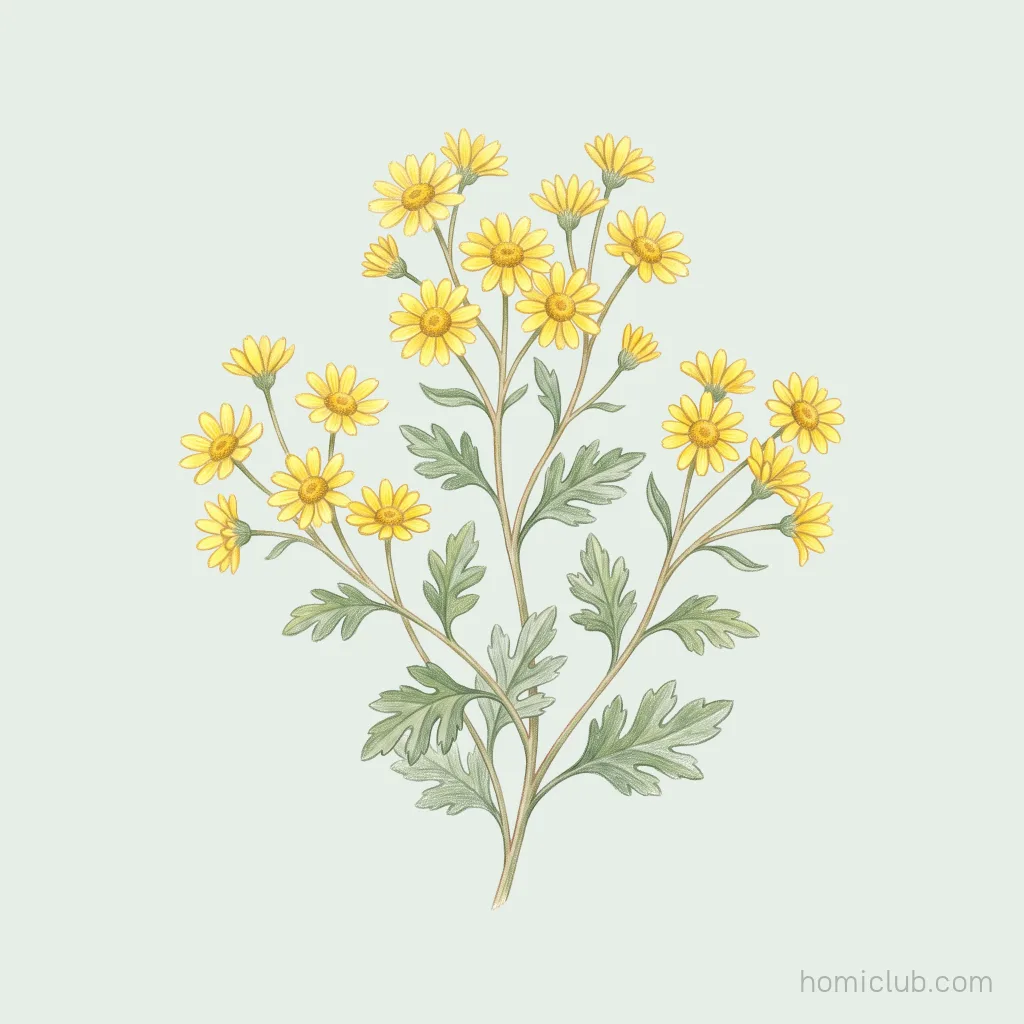
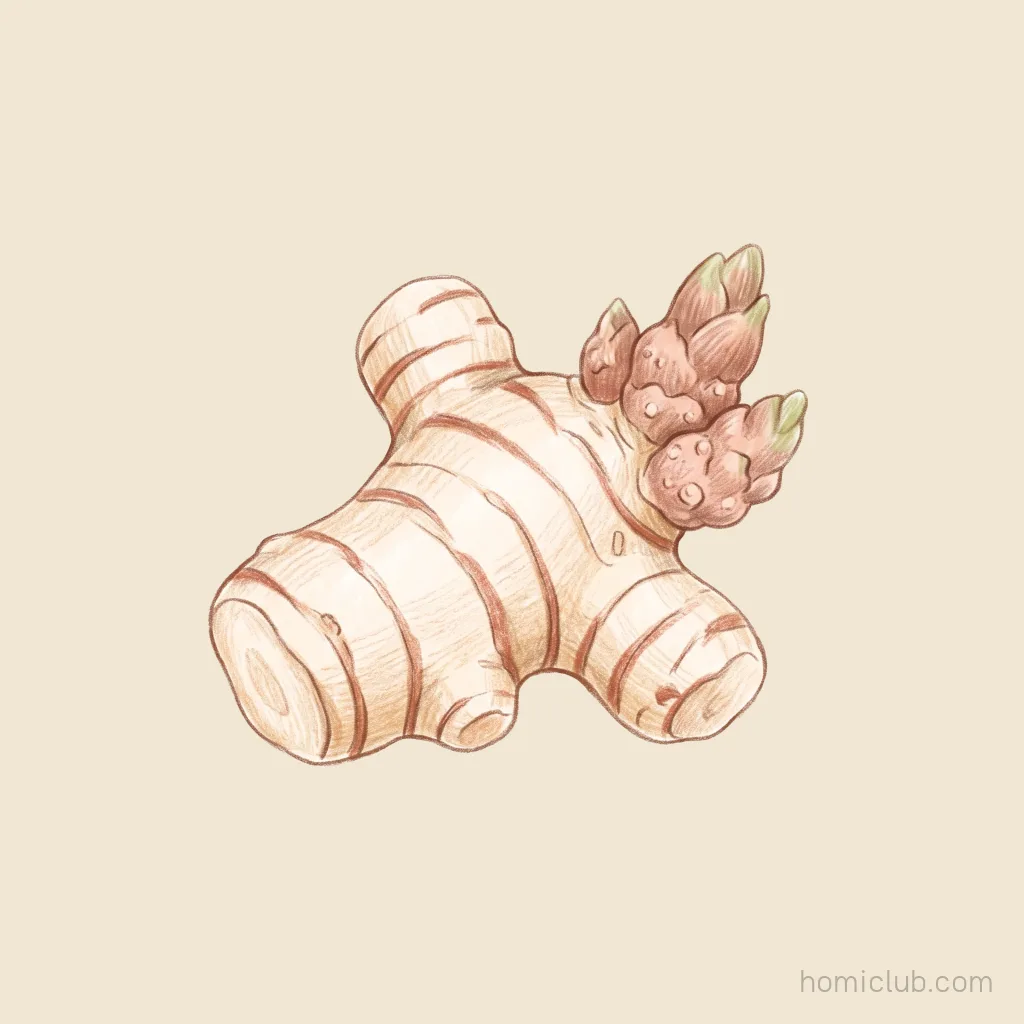
Jimo is the rhizome of a perennial in the asparagus family (Asparagaceae). Blue flowers like chive blossoms open in the fourth month, and roots dug in spring or autumn were trimmed of fibers and sun-dried. The text notes that Hwanghae Province yielded it in quantity and in good grade.
Original, read line by line 東醫寶鑑 · Tangaek — Decoctions vol. 3
-
性寒一云平, 味苦一云甘, 無毒.
Its nature is cold (one account says neutral), its taste bitter (one account says sweet), and it is non-toxic.
-
主骨蒸熱勞, 腎氣虛損.
It governs steaming-bone fever and heat taxation, and depletion and damage of the kidney qi.
-
止消渴, 療久瘧黃疸,
It stops wasting-thirst and treats long-standing malaria and jaundice.
-
通小腸, 消痰止嗽, 潤心肺,
It clears the small intestine, dissolves phlegm and stops coughing, and moistens the heart and lungs.
-
治産後蓐勞.
It also treats postpartum bed-confinement exhaustion.
-
生原野,
It grows wild in open fields.
-
根似菖蒲而甚柔潤,
The root resembles calamus but is far softer and more moist.
-
葉至難死, 掘出隨生, 須燥乃止.
Its leaves are remarkably tenacious—even uprooted, the plant keeps growing back, ceasing only when fully dried out.
-
四月開靑花如韭花, 八月結實.
In the fourth month it bears green flowers resembling chive blossoms, and in the eighth month it sets seed.
-
二月八月採根, 暴, 去鬚,
The root is harvested in the second and eighth months, sun-dried, and stripped of its fine rootlets.
-
用黃白滋潤者, 善. 《本草》
Use those that are yellowish-white and moist; these are good. 《Boncho (本草)》
-
入足陽明經ㆍ手太陰經.
It enters the foot yangmyeong channel and the hand taeeum channel.
-
足少陰腎經本藥,
It is the proper medicine of the foot soeum kidney channel.
-
瀉足陽明火熱, 補益腎水膀胱之寒.
It drains the fire-heat of the foot yangmyeong, and supplements and boosts the kidney water and the cold of the bladder.
-
入補藥鹽水或蜜水, 蒸或炒,
For tonifying formulas, it is steamed or stir-fried after being soaked in salt water or honey water.
-
上行酒炒. 勿犯鐵. 《入門》
To direct its action upward, it is stir-fried with wine, and iron implements must be avoided. 《Immun (入門)》
-
我國黃海道多産, 品亦好. 《俗方》
In our country it is produced abundantly in Hwanghae Province, and the quality there is also good. 《Sokbang (俗方)》
HomiclubAnemarrhena asphodeloides is the only species in its genus and is placed in the family Asparagaceae under the APG system. Plants of the World Online (POWO), maintained by the Royal Botanic Gardens, Kew, gives its native range as China and Mongolia and lists Korea as a region where it has been introduced.
Herbs — more entries
This is a cultural and historical record from a classical text, not a claim about any food’s effects. Nothing here is a health supplement or intended to prevent or treat disease. Consult a medical professional about health concerns. · Text: Korean Medicine Classics DB, collated with the Jangseogak copy of the 1613 wooden movable-type edition · Reading: Homiclub