
Tangaek — Decoctions · Grains
酒 Sul (술)
Sul is alcohol brewed from grain with a nuruk starter. The Grains section of Donguibogam takes cheongju, brewed from glutinous rice with a white-wheat starter, as the standard for medicinal brewing, then lists a string of infused wines by name: grape, goji, rehmannia and more.
Original, read line by line 東醫寶鑑 · Tangaek — Decoctions vol. 1
-
性大熱, 味苦甘辛, 有毒.
Its nature is greatly hot, its taste bitter, sweet, and pungent, and it is toxic.
HomiclubLiquor is made when yeast ferments the sugars of grain or fruit into alcohol. Korean liquor is brewed from grain with nuruk, a cake of mould that first turns the grain's starch into sugar.
-
主行藥勢, 殺百邪惡毒氣, 通血脉, 厚腸胃, 潤皮膚, 消憂發怒, 宣言暢意. 《本草》
It chiefly carries the force of medicines through the body, kills every evil and noxious qi, opens the blood vessels, thickens the intestines and stomach, moistens the skin, dispels worry and rouses anger, and loosens speech and frees the mind. 《Boncho (本草)》
-
久飮傷神, 損壽. 《本草》
Drunk long it injures the spirit and shortens the lifespan. 《Boncho (本草)》
-
大寒凝海, 惟酒不氷, 明其性熱獨冠群物.
Though great cold freezes the sea, only liquor does not ice over, which makes plain that its hot nature stands first among all things.
HomiclubLiquor resists freezing because alcohol's freezing point lies far below water's, so a mixture freezes only at much lower temperatures. The old writers read this behaviour as proof of a hot nature.
-
人飮之, 便體廢神昏, 是其有毒故也. 《本草》
When a person drinks it, the body soon fails and the spirit clouds over, and this is because it carries toxin. 《Boncho (本草)》
-
酒能行諸經不止, 與附子相同.
Liquor can course through all the channels without halting, in this being the same as buja (附子, prepared aconite).
-
味辛者能散, 味苦者能下, 味甘者居中而緩, 爲守引, 可以通行一身之表, 至極高之分.
What is pungent can disperse, what is bitter can descend, what is sweet stays in the middle and slows; serving to hold and to guide, it travels the whole exterior of the body and reaches the very highest region.
-
若味淡者, 則利小便而速下. 《湯液》
If the taste is bland, it frees the urine and descends quickly. 《Tangaek (湯液)》
-
本草止言熱而有毒, 不言其濕中發熱近於相火, 人大醉後, 振寒戰慄可見矣. 《丹心》
The 《Boncho》 says only that it is hot and toxic, and does not say that its heat arises within dampness and comes close to sanghwa (相火, ministerial fire). This can be seen in the shivering and trembling that follow deep drunkenness. 《Dansim (丹心)》
-
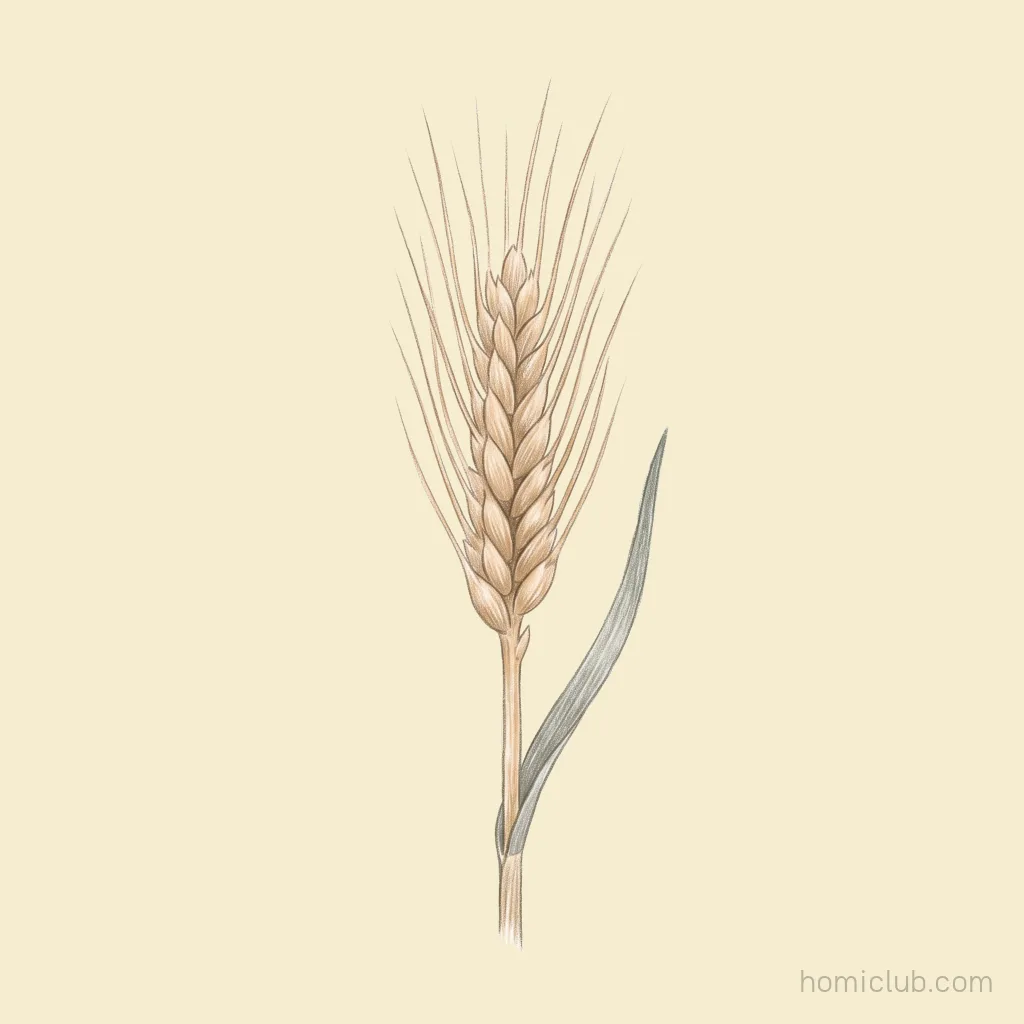
酒有諸般, 惟米酒入藥, 當以糯米, 用淸水, 白麪麴所造爲正.
There are many kinds of liquor, but only rice liquor goes into medicine; the proper one is brewed from glutinous rice with clear water and a white wheat-flour ferment.
HomiclubA ferment cake pressed from white wheat flour is baekguk, and the wheat nuruk used today for cheongju and yakju descends from it. The clear liquor drawn off a rice mash is cheongju; the cloudy portion beneath is takju.
-
書曰, 若作酒醴爾, 爲麴糵.
The 《Seo (書, Book of Documents)》 says, "If you would make liquor and sweet ale, be the ferment and the malt."
-
酒則須用麴, 醴故用糵也. 《本草》
For liquor one must use the ferment cake, and for sweet ale therefore the malt is used. 《Boncho (本草)》
-
諸酒名, 開列于後.
The names of the various liquors are set out below.
Grains — more entries
This is a cultural and historical record from a classical text, not a claim about any food’s effects. Nothing here is a health supplement or intended to prevent or treat disease. Consult a medical professional about health concerns. · Text: Korean Medicine Classics DB · Reading: Homiclub